Modern Art That Transforms the Perceived Depth and Atmosphere of a Space

Modern Art That Transforms the Perceived Depth and Atmosphere of a Space
When we step into a room, our perception of it is shaped not only by furniture and lighting but also by the art that surrounds us. Modern art has the power to transform how we experience space—altering its sense of depth, light, and mood. From serene minimalism to bold abstraction, contemporary artworks are increasingly used by homeowners, designers, and architects across the United States to shape the emotional and spatial character of interiors.
Art as a Shaper of Space
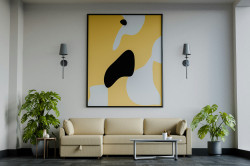
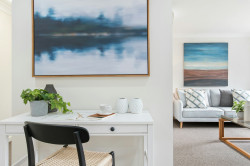
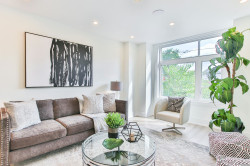
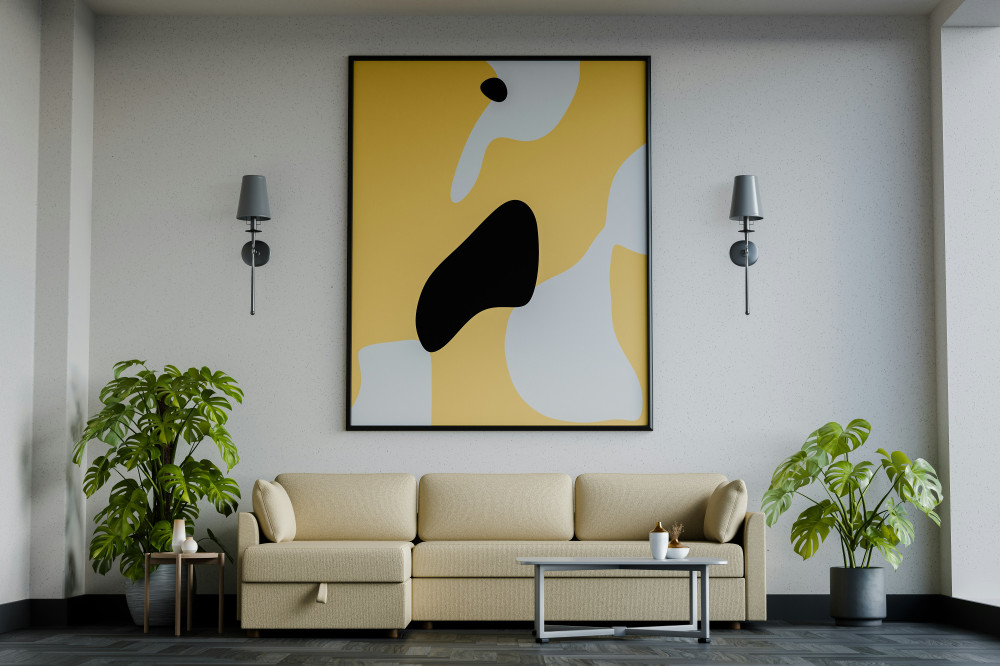
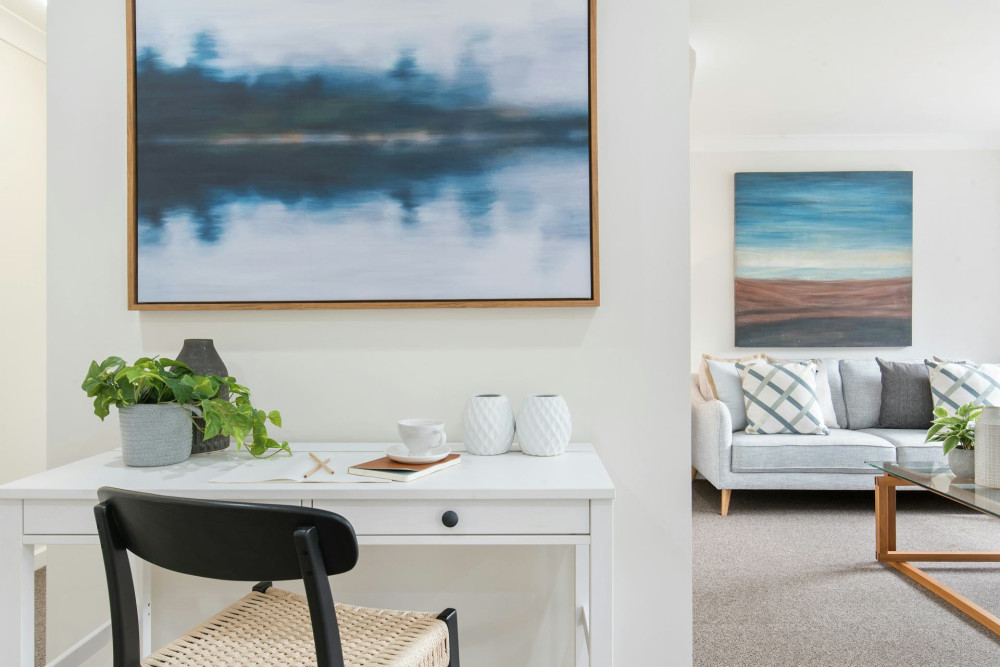
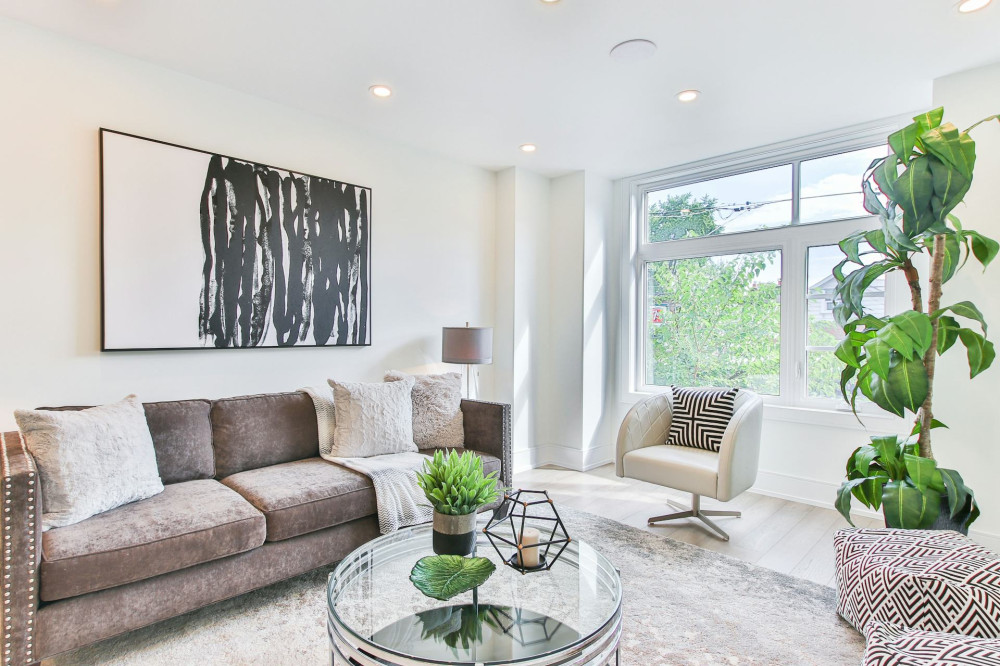
Modern art is not just about visual appeal—it’s about interaction with the environment. A large abstract painting with layered color fields can make a small living room feel more expansive, while a piece with sharp contrasts and dynamic lines can energize a neutral space.
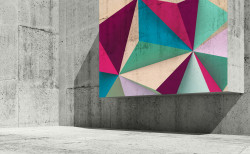
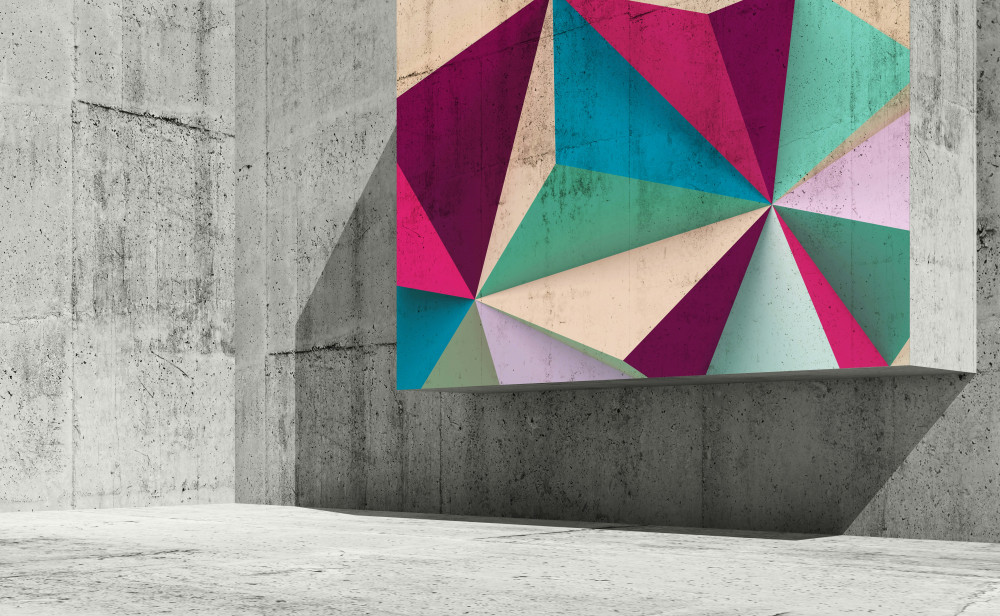
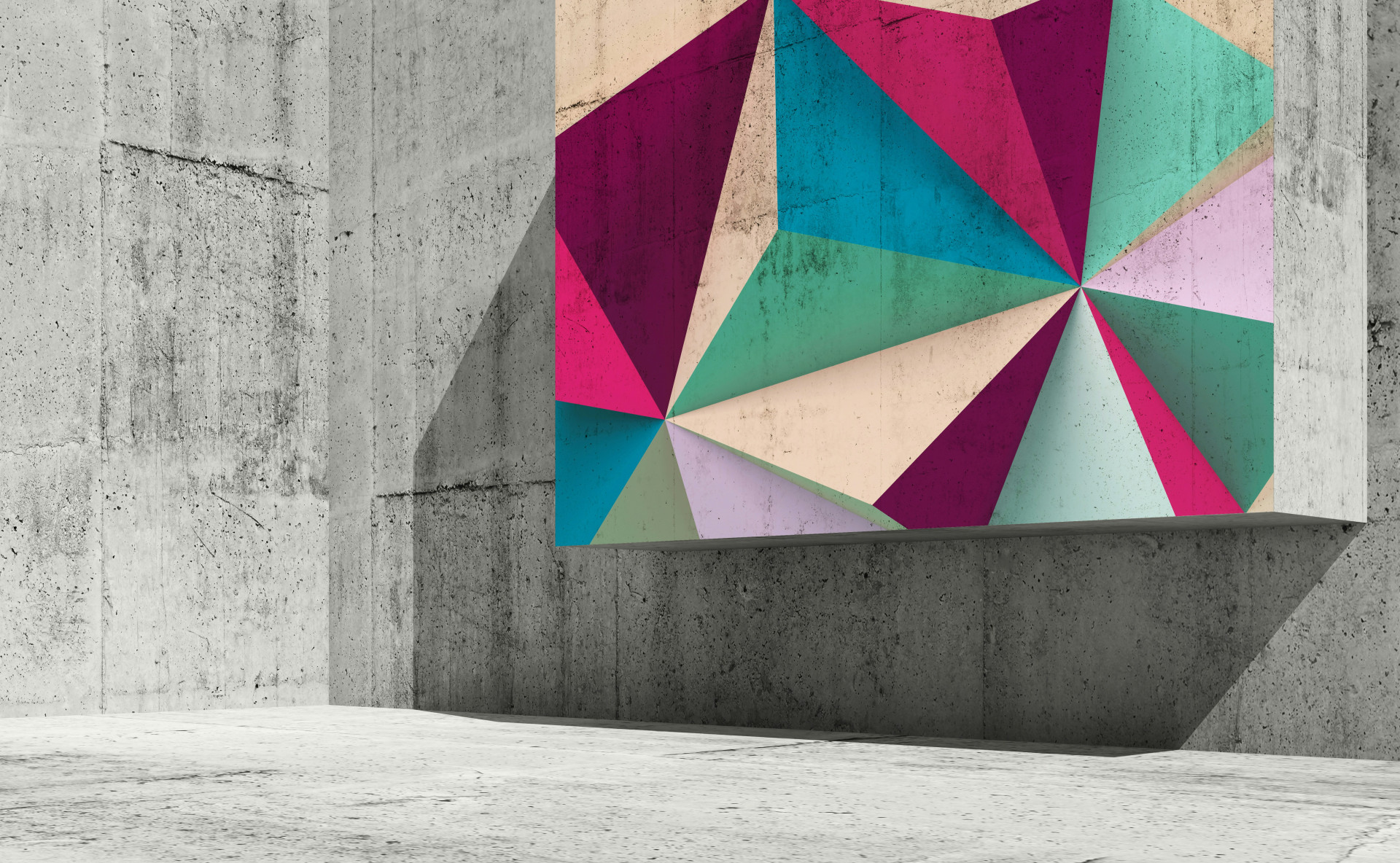
Artists often play with perspective, texture, and color contrast to create illusions of movement and depth. Optical art, for instance, uses repeated patterns and geometric precision to make flat surfaces appear to vibrate or recede, giving the viewer a sense of three-dimensionality.
The Psychology of Color and Mood
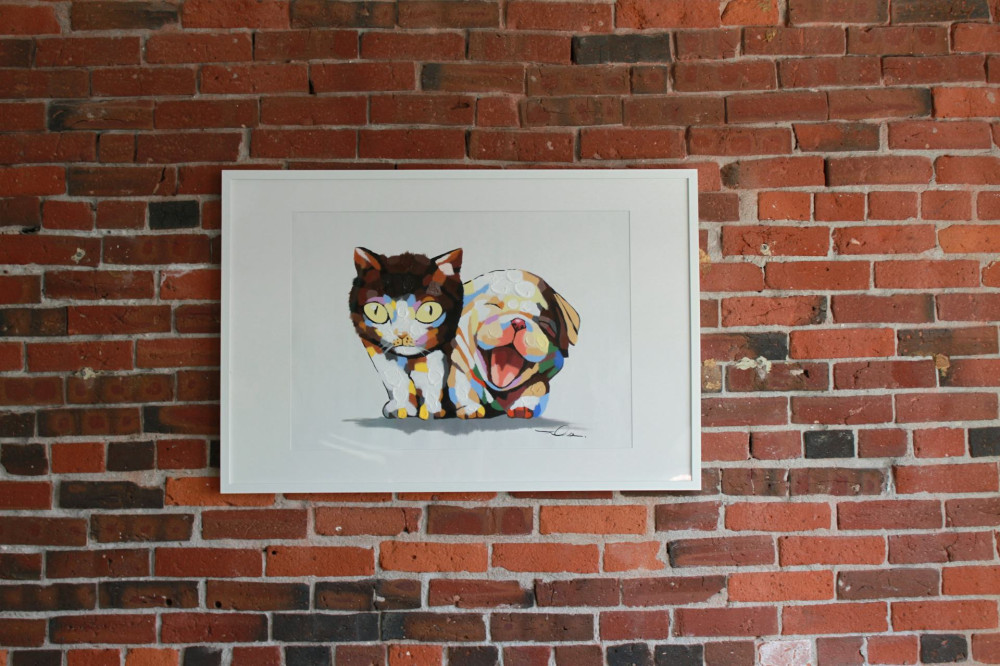
Color profoundly influences how we feel in a space. Cool tones like blue and green tend to evoke calm and balance, while warm hues such as red, orange, and yellow can bring warmth, excitement, and vitality.
When choosing art for your home, consider the atmosphere you want to create. In a bedroom, soft tones and organic shapes can promote relaxation, while in a home office or living area, bold brushstrokes and vivid colors can inspire focus and creativity. Many American interior designers now use art as a key tool for emotional zoning—defining how each room feels and functions.
Light and Reflection – The Art of Interaction
Light plays a crucial role in how art is perceived. A painting or sculpture can change dramatically throughout the day as natural light shifts. Some contemporary artists intentionally design their works to respond to light—using metallic pigments, translucent materials, or LED elements that evolve with their surroundings.
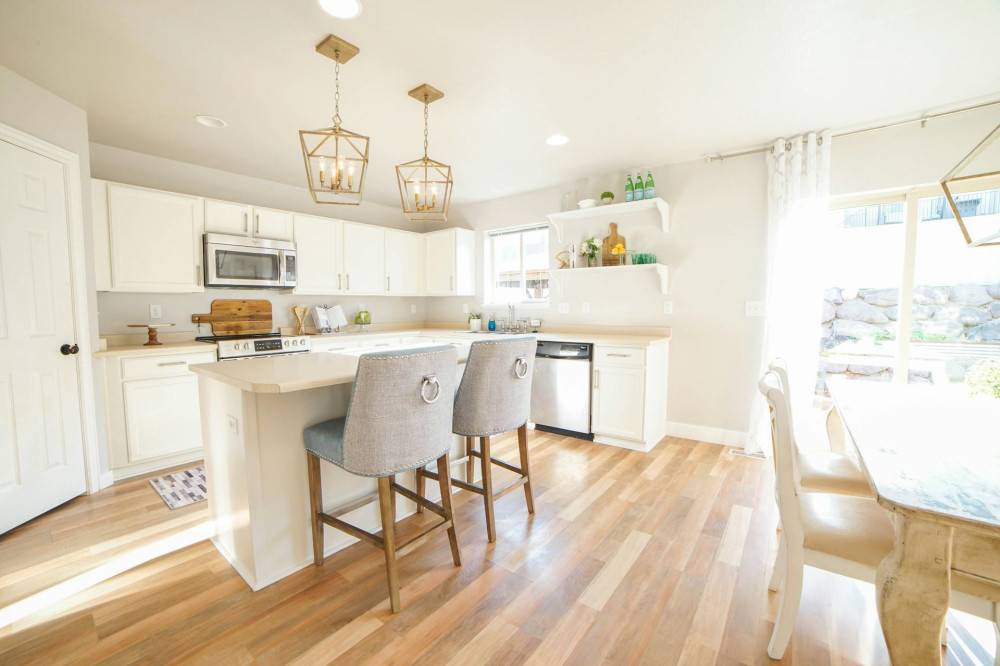
By positioning art strategically near windows or under accent lighting, you can highlight certain colors, textures, or shadows, enhancing the sense of depth in a room. In modern U.S. homes, where open-plan layouts and large windows are common, this interplay between light and art can make spaces feel both dynamic and cohesive.
Læs også:
Sculpture and Installation – When Art Steps Off the Wall
Modern art extends far beyond the canvas. Sculptures and installations can redefine how we move through and experience a space. A freestanding sculpture can serve as a focal point in a minimalist interior, while a suspended installation can draw the eye upward, making ceilings appear higher and rooms more spacious.
Three-dimensional works are increasingly popular in American homes and public spaces alike, offering a tactile counterbalance to digital screens and flat surfaces. They invite interaction and curiosity, turning everyday environments into immersive experiences.
How to Choose Art That Fits Your Space
Selecting art is both a personal and spatial decision. Here are a few practical guidelines:
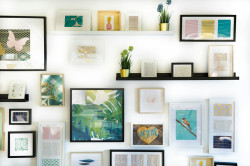
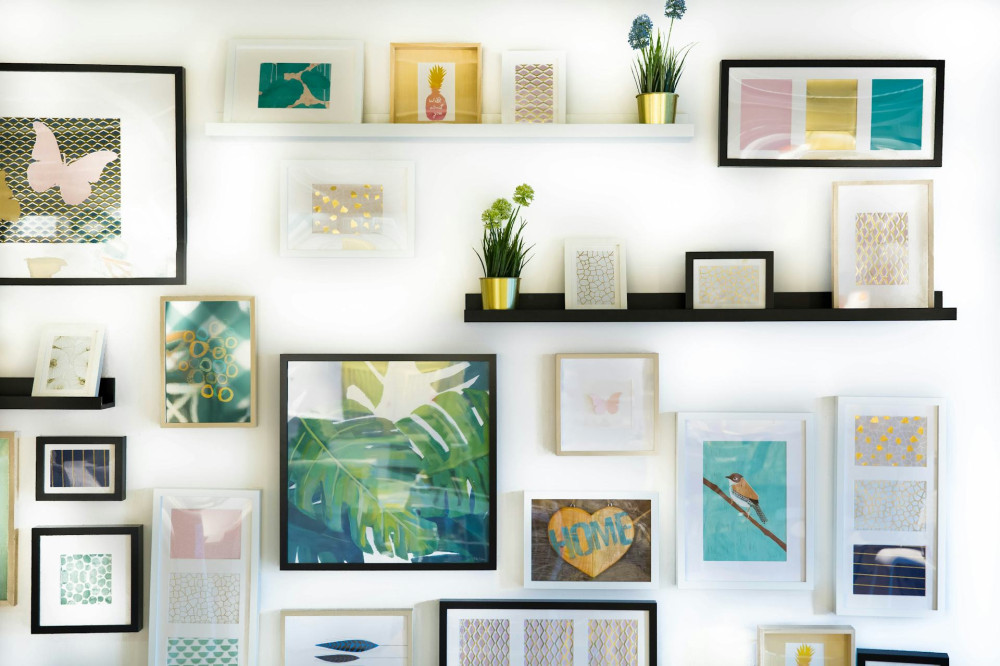
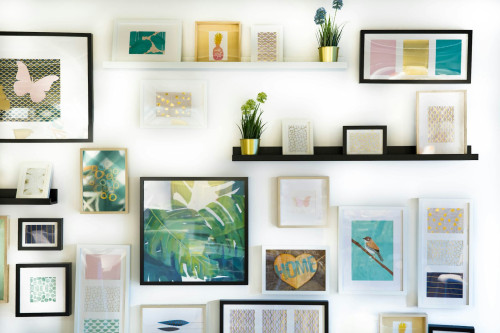
- Think in scale: A large piece can anchor a room with high ceilings, while a series of smaller works can create rhythm along a hallway or gallery wall.
- Coordinate, don’t match: Art doesn’t need to mirror your furniture, but it should harmonize with your overall color palette and textures.
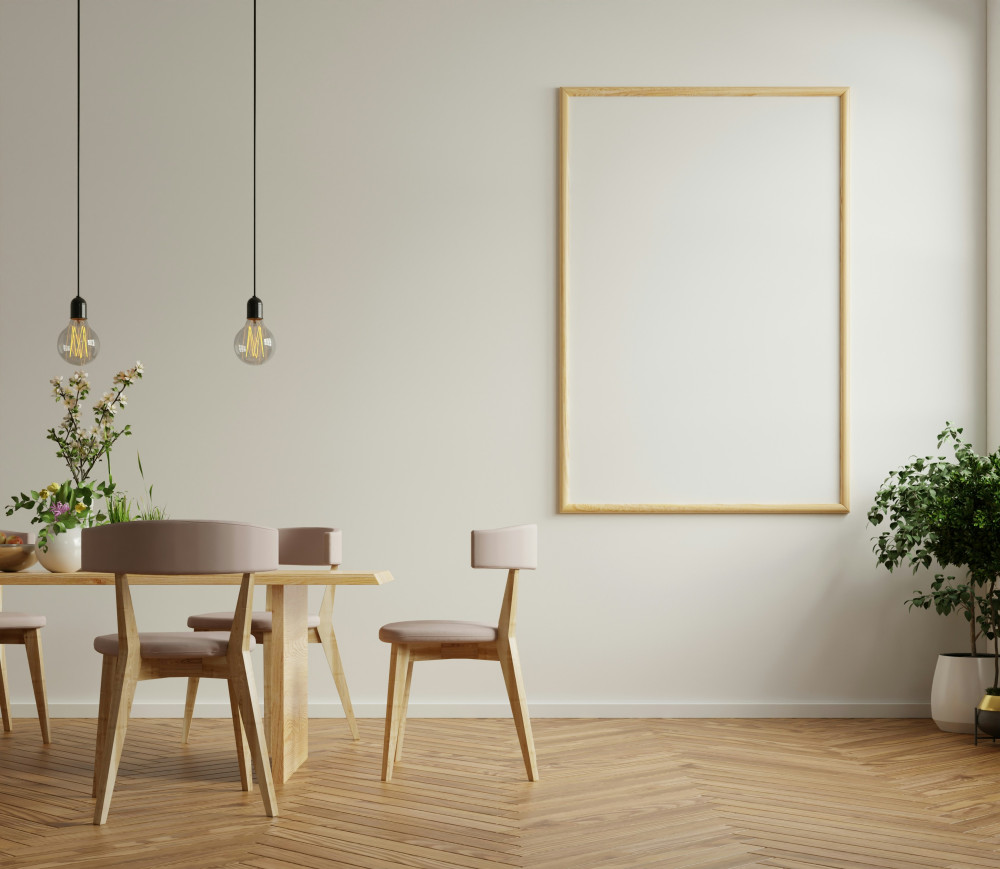
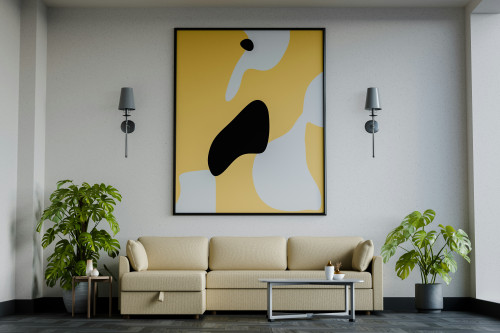
- Use contrast: In a minimalist setting, a vibrant or expressive piece can add warmth and personality—and vice versa.
- Mind the lighting: Use spotlights or wall sconces to emphasize texture, color, and form.
Art as Part of Everyday Life
Modern art does more than decorate—it shapes how we feel and interact with our surroundings. A thoughtfully chosen piece can bring calm after a busy day, spark conversation, or simply remind us that creativity belongs in daily life.
Allowing art to influence the depth and atmosphere of a space is ultimately about creating environments that feel alive and personal. It’s a way to make your home not just a place to live, but a place to experience—where light, color, and emotion come together in harmony.
Læs også: