Create Dynamic Appeal with Contrasts Between the Table and Its Surroundings

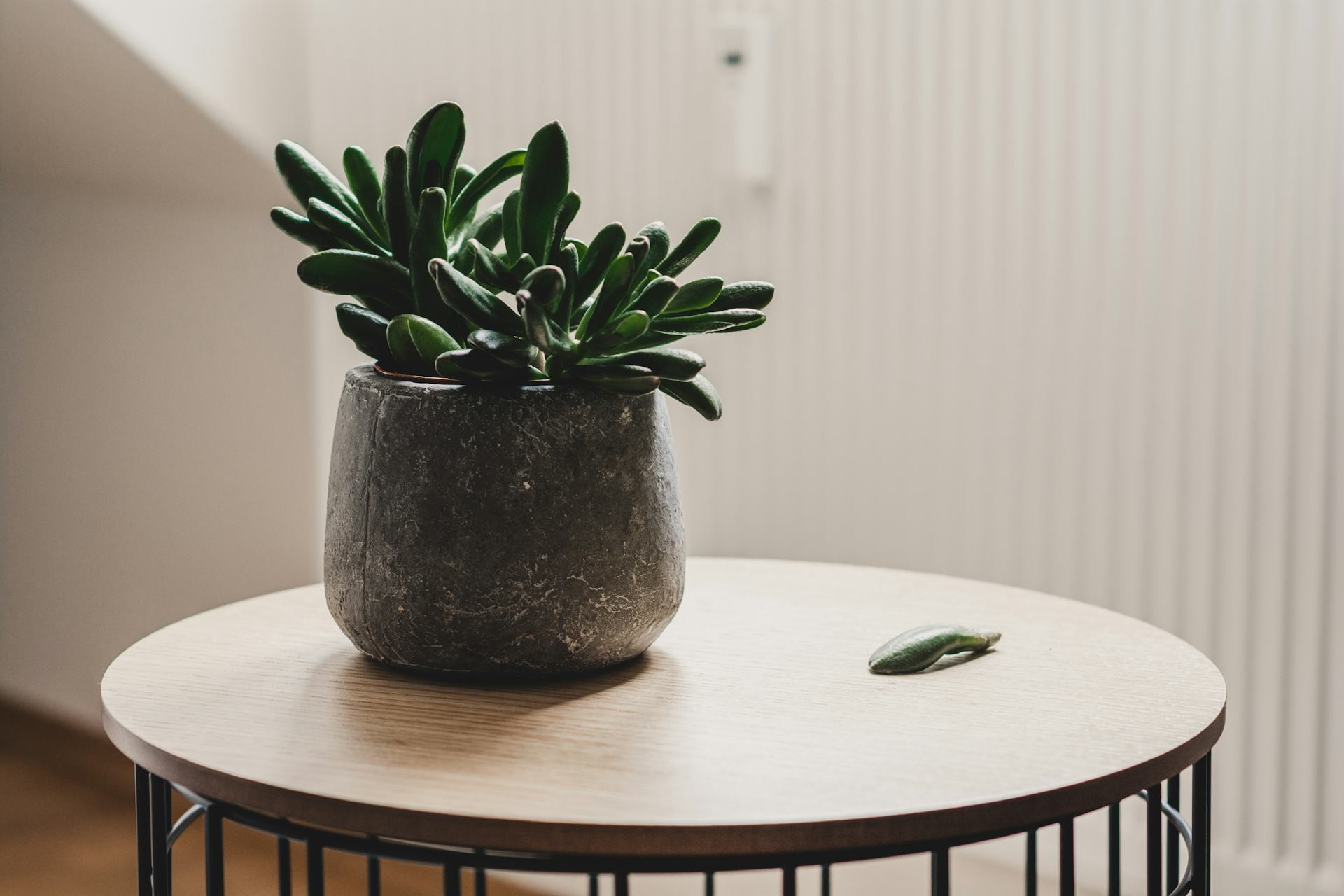
Create Dynamic Appeal with Contrasts Between the Table and Its Surroundings
A table often serves as the heart of a room — the place where we gather, eat, work, or share stories. But how do you make the table stand out while still blending beautifully with its surroundings? The answer lies in contrast. By intentionally playing with differences in color, material, and form, you can create a space that feels both lively and balanced.
Why Contrasts Work
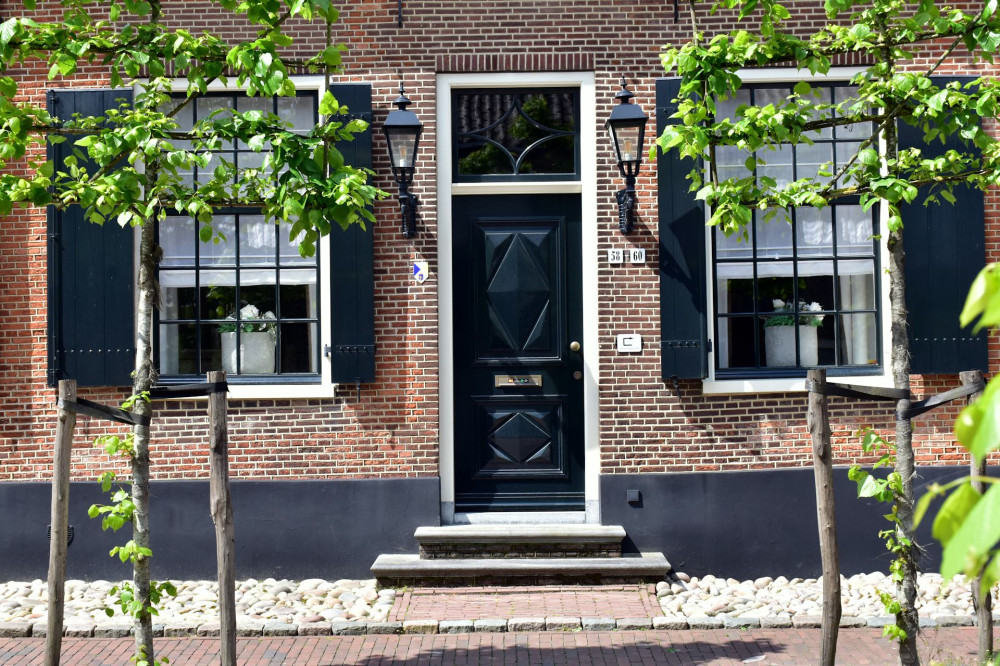
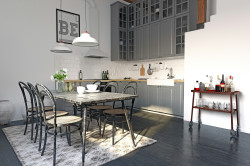
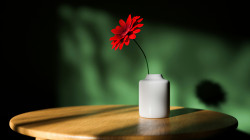
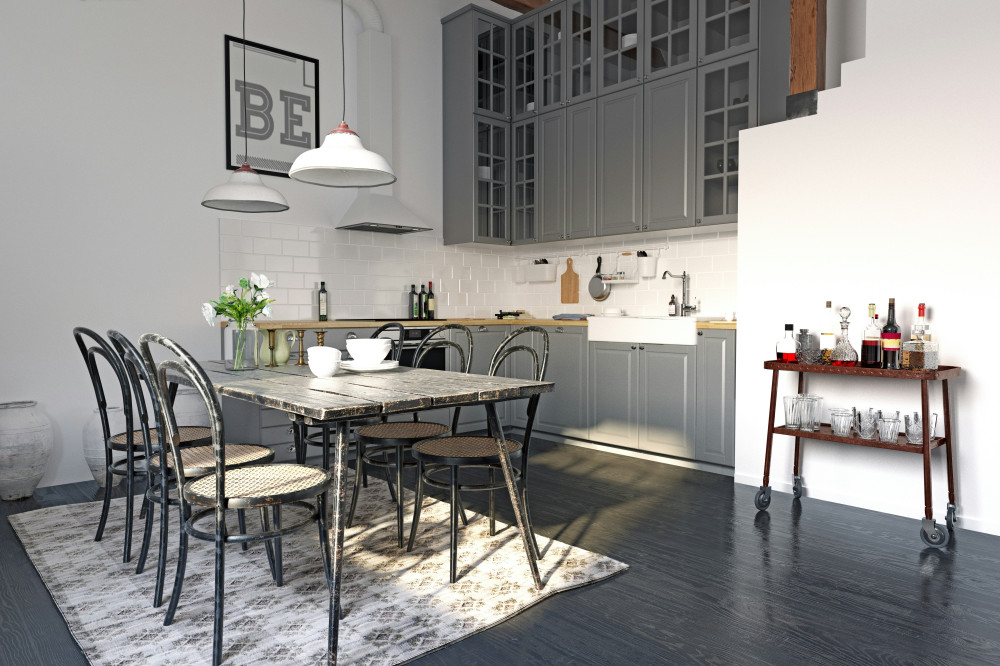
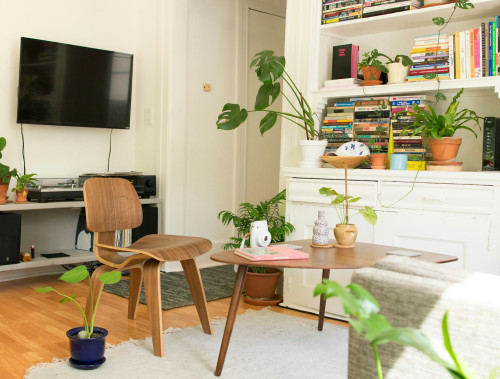
Contrasts create visual energy. When one element stands apart from the rest, it draws the eye and gives the room character. A dark table in a bright dining area, a rustic wood surface against sleek white walls, or a minimalist table in a colorful setting — each of these combinations allows both the table and its environment to enhance one another.
The goal isn’t conflict but balance. Too many contrasts can feel chaotic, while too few can make a space seem flat. The key is to choose one or two strong points of contrast and let the rest of the room support them.
Color: Playing with Light and Dark
Color is the most immediate way to create contrast. A light oak or maple table can bring airiness to a darker room, while a black or espresso table adds depth and sophistication to a bright space.
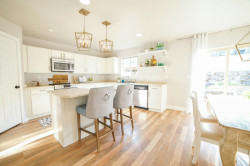
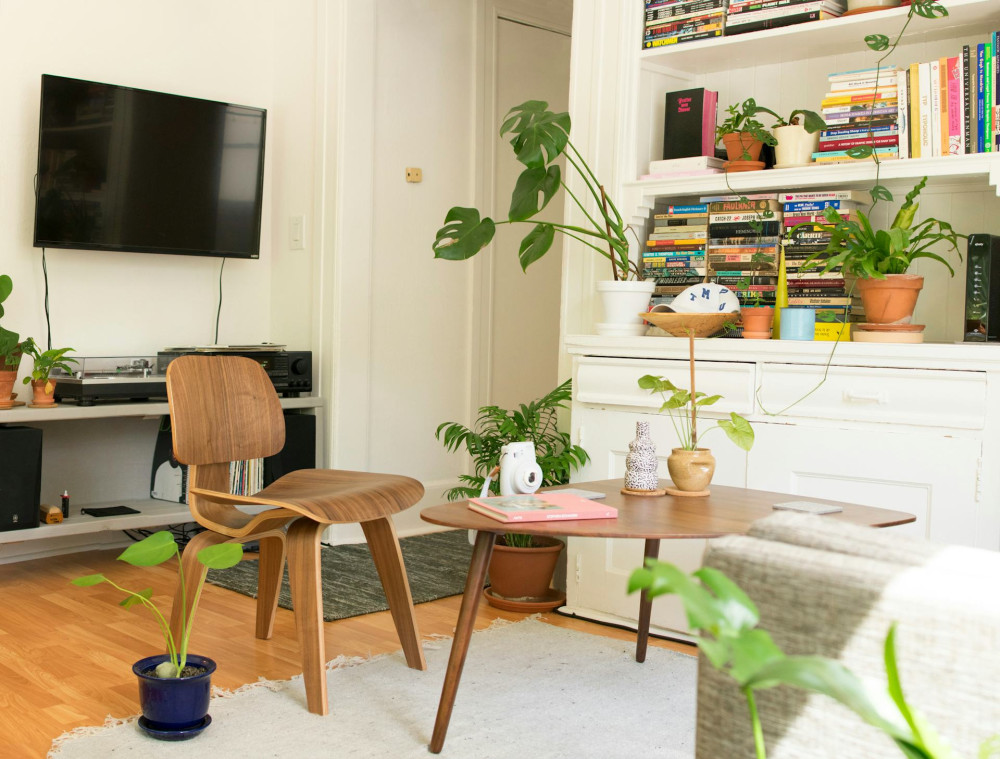
Consider the tones of your walls, flooring, and textiles. A table in warm wood tones — like walnut or cherry — pairs beautifully with cool gray or blue walls. Conversely, a pale ash or whitewashed table can freshen up a room with warm, earthy hues.
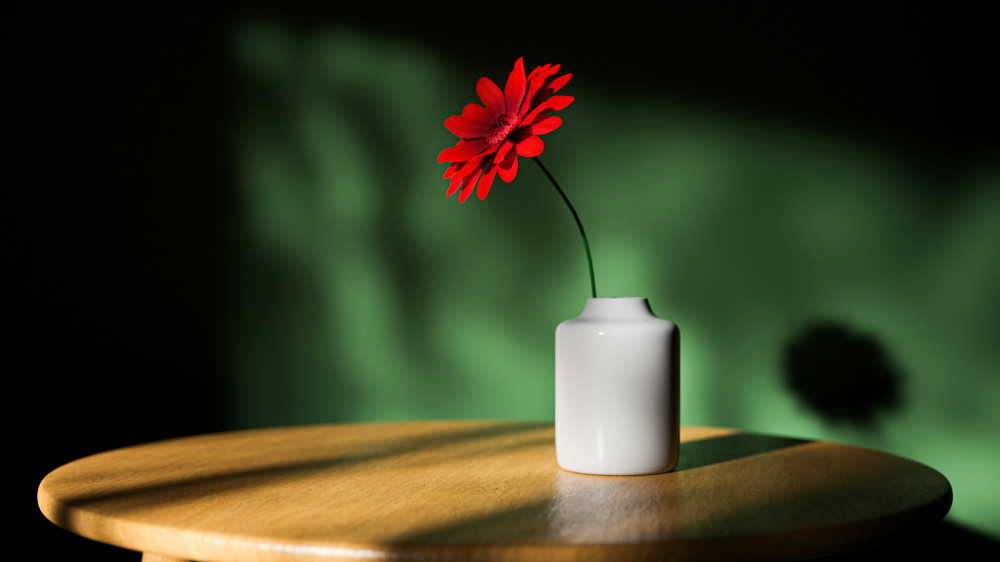
If you’re feeling bold, use color as a statement. A painted table in deep green, navy, or even a muted red can become the natural focal point of the room, especially when the surroundings are kept neutral.
Materials: Mixing Textures and Finishes
Materials have a powerful effect on how a space feels. A solid wood table brings warmth and authenticity, while glass or metal offers a modern, airy touch. Combining different materials can create a dynamic and layered look.
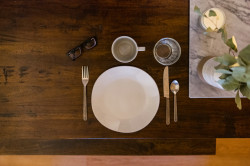
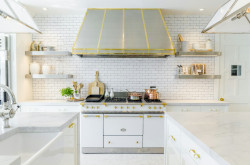
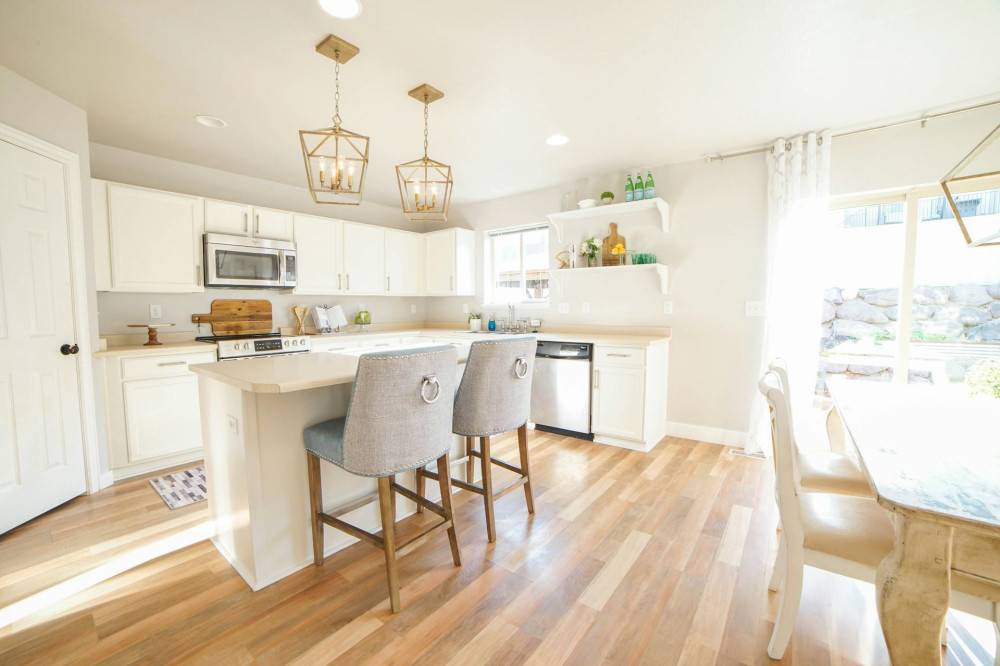
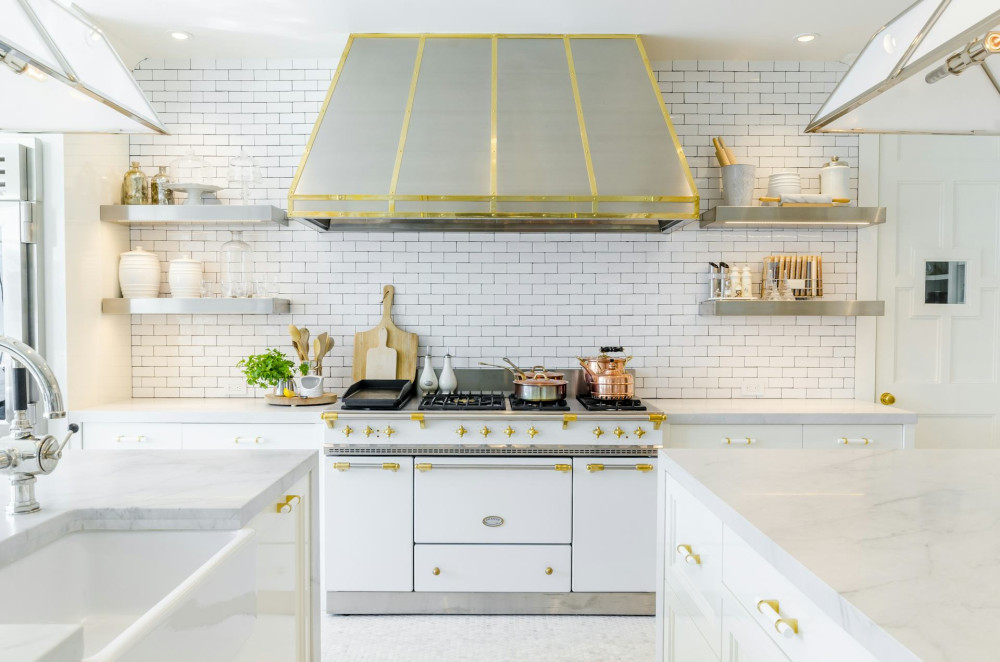
For example, a table with a matte, textured surface can stand out beautifully in a room with glossy finishes — or the other way around. A concrete table might feel industrial, but when paired with soft fabrics, plants, and warm lighting, it gains a more inviting character.
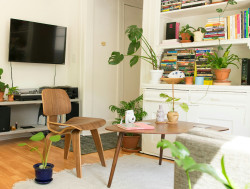
Think about how materials feel as well as how they look. A rough tabletop adds personality but may need softer elements — like upholstered chairs, curtains, or a rug — to balance the space.
Læs også:
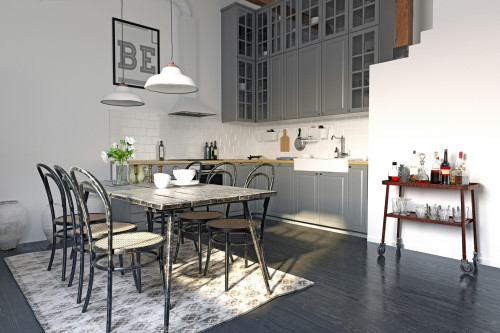
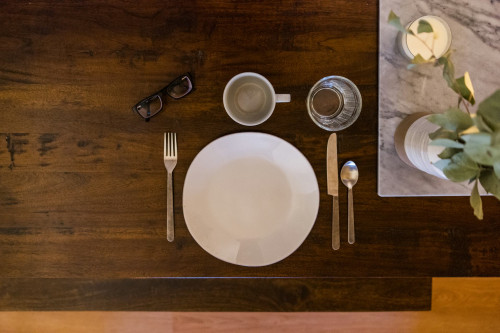
Shape and Scale: Contrasting Lines and Proportions
Contrast isn’t just about color and texture — shape matters too. A round table in a room full of angular furniture can introduce a sense of flow and calm. A long rectangular table, on the other hand, can emphasize structure and direction.
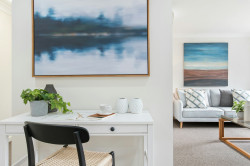
Pay attention to proportions as well. A large table in a small room can feel overwhelming, but if the surroundings are kept simple, it can create a sense of generosity. A small, lightweight table in a spacious room can define a cozy corner where people naturally gather.
Lighting: Highlighting the Contrasts
Lighting brings contrasts to life. A table near a window changes character throughout the day, while one under a pendant light can take on a more dramatic presence.
Use lighting to emphasize the table’s material and color. Warm light enhances the grain of wood, while cooler light highlights metal or glass. Don’t forget about shadows — they add depth and dimension, making the space feel more dynamic.
Creating Harmony Through Repetition
Even though contrasts add energy, the room still needs cohesion. Repeat small elements from the table in the surrounding décor — such as color tones, materials, or shapes. A dark wood table, for instance, can be echoed in picture frames, lamp bases, or shelving details. This repetition makes the contrast feel intentional and integrated rather than random.
A Table with Personality
Working with contrasts is ultimately about creating a space that reflects who you are. A table isn’t just a piece of furniture — it’s a gathering point, a style statement, and part of your home’s story. By daring to play with differences, you can design a room that feels both harmonious and full of life — a place where the table stands out while still belonging perfectly within its surroundings.
Læs også: