How Colors Affect the Perception of a Room’s Size and Shape

How Colors Affect the Perception of a Room’s Size and Shape
Color is more than a matter of personal taste—it has a powerful influence on how we perceive space. The right color choices can make walls seem closer or farther away, ceilings appear higher or lower, and entire rooms feel either spacious or cozy. By understanding how colors affect our senses and perception, you can use them strategically to shape the atmosphere and experience of your home.
Light Colors Open Up a Space
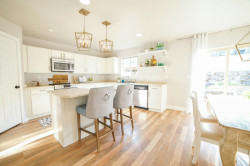
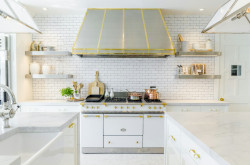
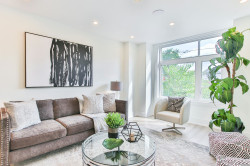
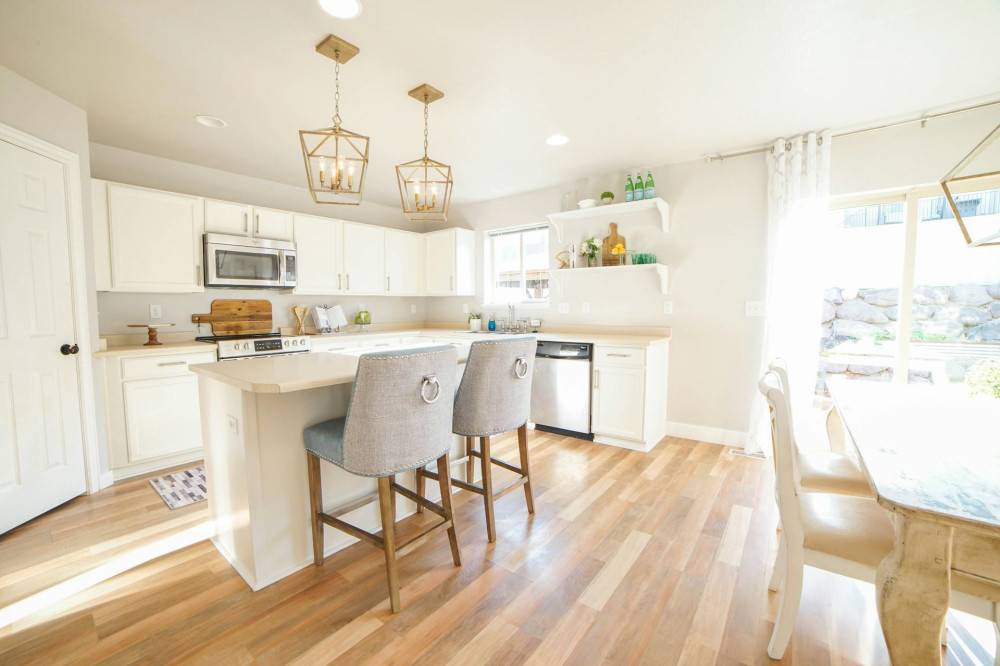
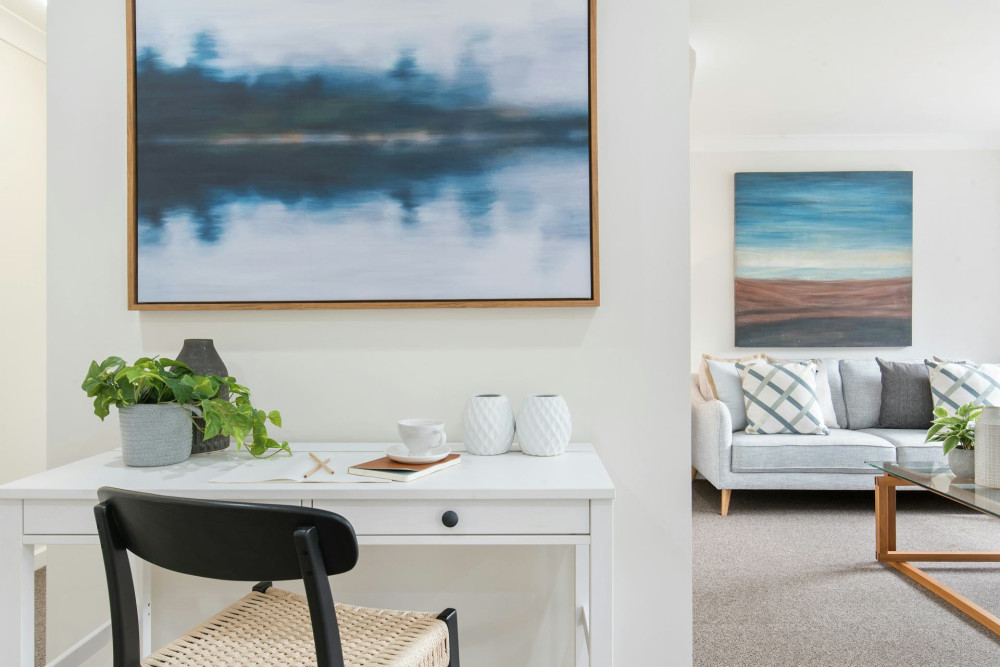
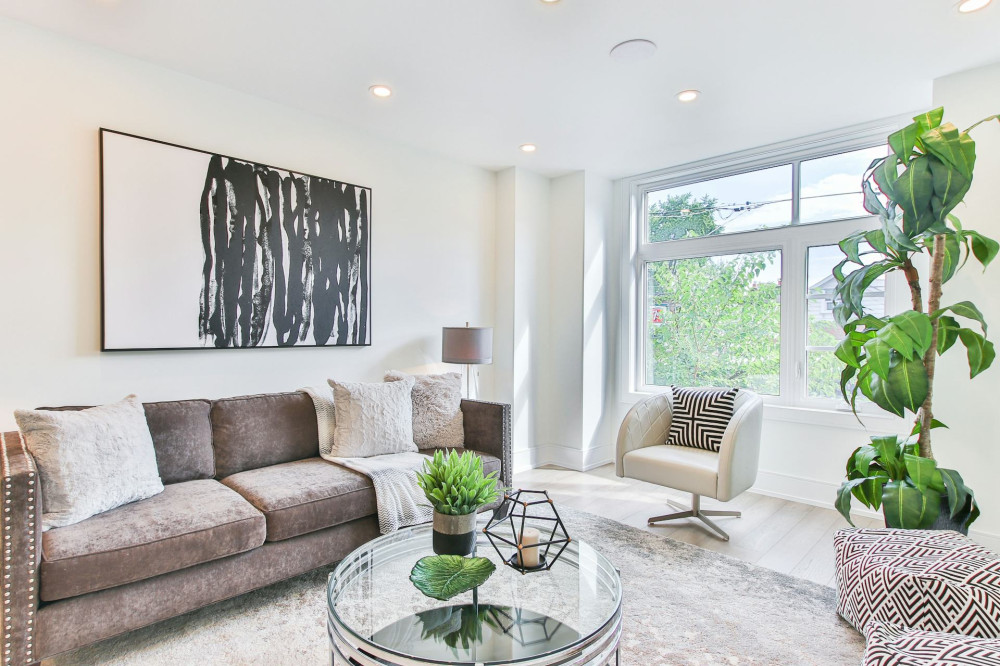
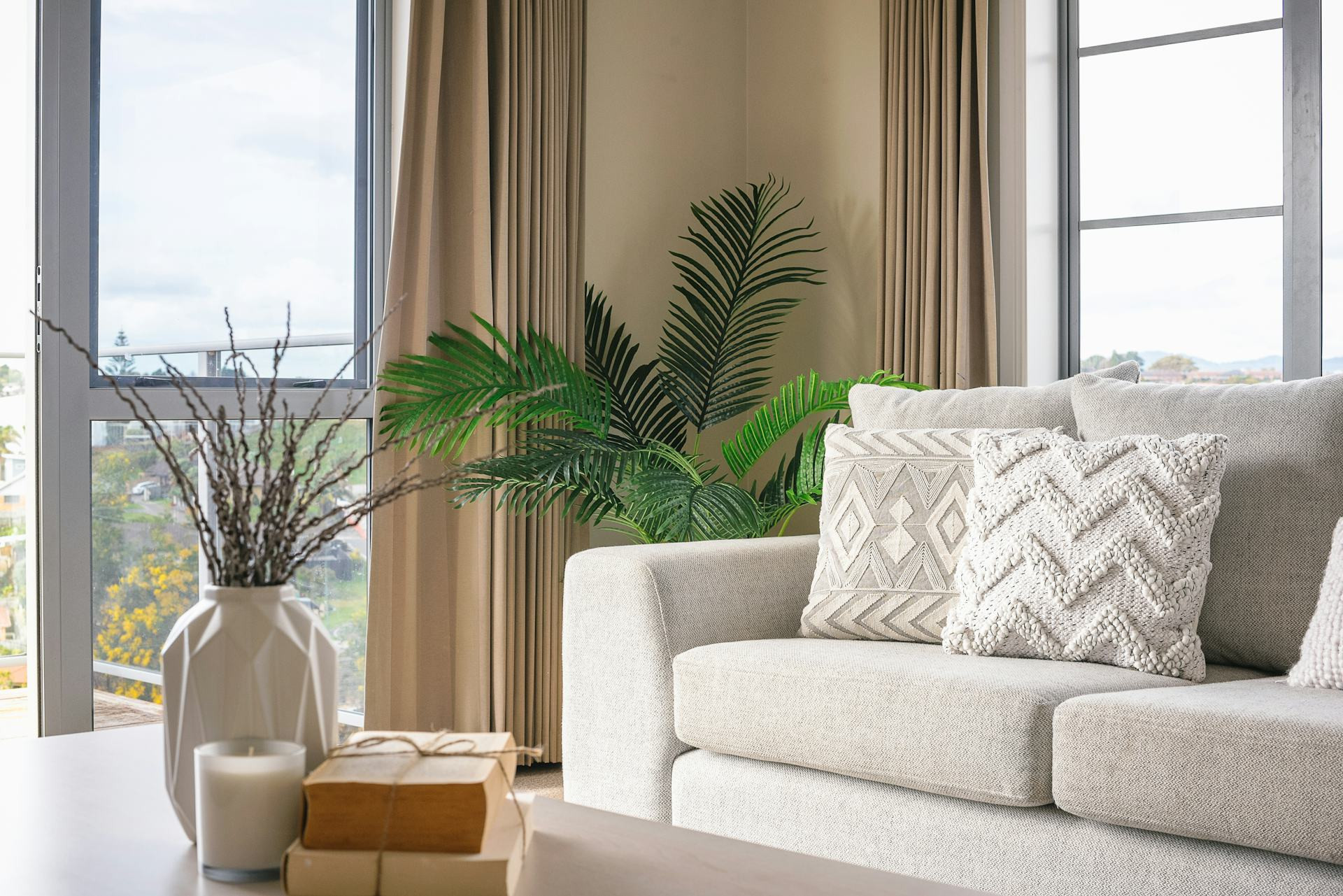
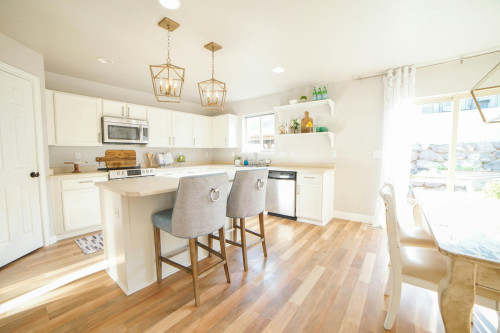
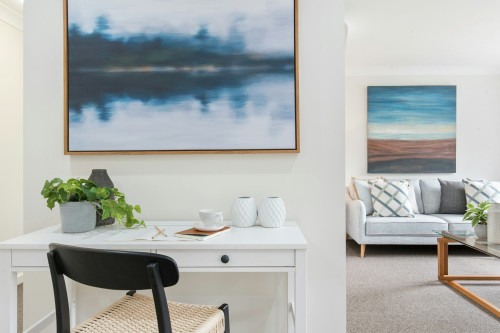
Light colors such as white, cream, pale gray, and soft pastels reflect more light, making a room feel larger and airier. They create a sense of openness and calm, which makes them ideal for small spaces or rooms with limited natural light.
For example, a small bedroom can appear more spacious if the walls are painted in a light shade and the ceiling is kept white. Light-colored flooring and furniture can enhance the effect. You don’t have to stick to pure white—subtle tones of blue, green, or beige can add personality without making the space feel closed in.
Dark Colors Add Depth and Warmth
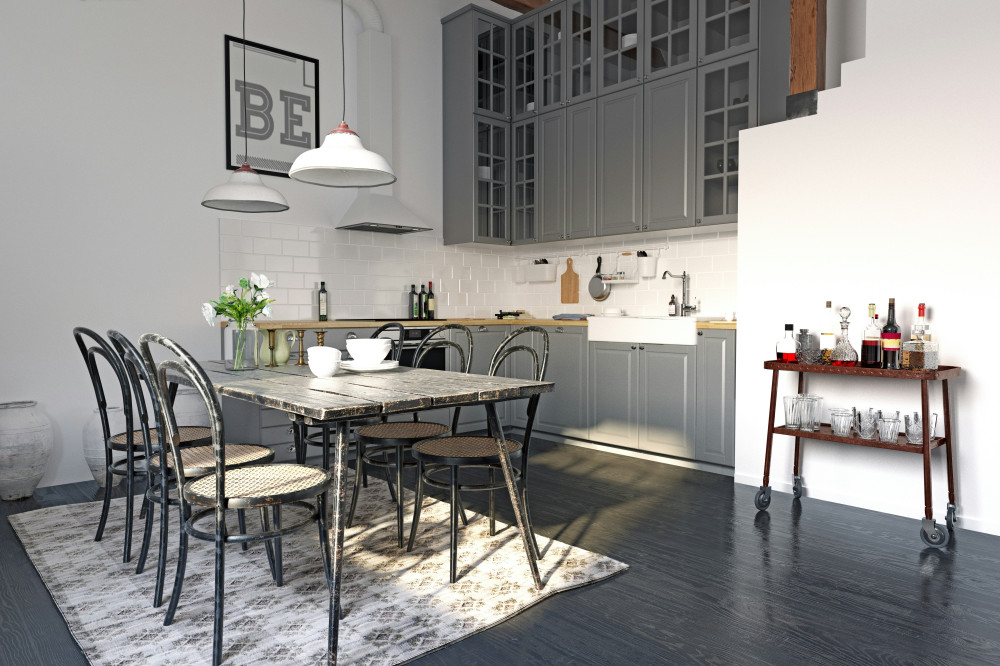
Dark colors like navy, forest green, or deep burgundy absorb more light, which can make a room feel smaller—but also more intimate and inviting. They create a sense of comfort and warmth, especially in larger rooms where you want to establish a cozier atmosphere.
A large living room, for instance, can feel more balanced if one wall is painted in a darker tone. This adds depth and character without overwhelming the space. Dark colors also work well in rooms meant for relaxation, such as bedrooms or reading nooks.
Læs også:
Color Placement Changes Perceived Proportions
The way you distribute colors in a room greatly affects how its shape is perceived. Here are a few simple principles:
- Dark walls with a light ceiling make the ceiling appear higher.
- Light floors with a dark ceiling can make a room feel lower and more intimate.
- Dark end walls can make a long, narrow room seem shorter and more harmonious.
- Light walls with a darker floor create a sense of stability and balance.
By experimenting with contrasts, you can visually adjust a room’s proportions—without moving a single wall.
Warm and Cool Colors Influence Mood
Colors also carry emotional temperature. Warm colors like red, orange, and yellow create energy and a sense of closeness, while cool colors like blue, green, and violet evoke calm and distance.
In a north-facing room that receives cooler light, warm colors can compensate and make the space feel more comfortable. Conversely, cool colors can be ideal in south-facing rooms that get strong, warm sunlight.
It’s all about balance—too many warm tones can feel overwhelming, while too many cool shades can make a space feel impersonal. A good rule of thumb is to choose one dominant color and complement it with neutral or muted tones.
The Interaction of Color, Light, and Materials
Colors never exist in isolation. Their appearance changes depending on lighting and surrounding materials. A gray wall might look bluish in daylight and warm beige under evening light. That’s why it’s wise to test paint samples in the actual room before committing to a full wall.
Materials also play a role: matte surfaces absorb light and create a softer look, while glossy finishes reflect light and make colors appear more intense. The combination of color, texture, and lighting ultimately defines how a room feels.
Creating Harmony Through Color
When choosing colors for your home, think about the overall flow. Colors should not only work within each room but also connect harmoniously throughout the house. A consistent color palette—repeating certain tones in different spaces—creates a sense of unity and calm.
You can also use color to define zones in an open floor plan: a darker wall behind the sofa can anchor the living area, while a lighter tone in the dining space adds variation without breaking cohesion.
Color as a Tool to Shape Your Home
Color is one of the most effective and accessible tools for transforming how a room feels. It can change the mood, adjust proportions, and create harmony between function and emotion.
By understanding how colors influence perception, you can use them intentionally—not just for aesthetics, but to design spaces that feel right to live in.
Læs også: