Large Artworks as Eye-Catchers in Open Spaces

Large Artworks as Eye-Catchers in Open Spaces
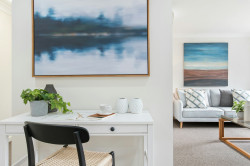
Large artworks have the power to transform a space. They can set a mood, spark curiosity, and serve as conversation starters. In open spaces—whether it’s a living room with high ceilings, a corporate lobby, or a public plaza—a striking piece of art can give the area character and identity. But how do you choose the right piece, and how do you make it work harmoniously with its surroundings?
Art as a Space-Defining Element
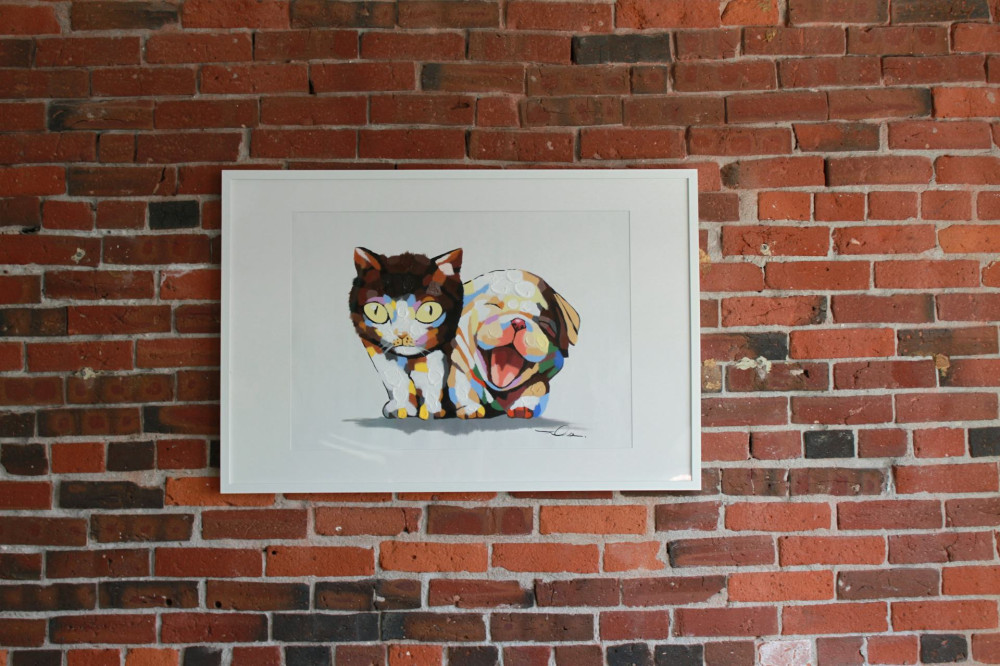
A large artwork does more than decorate; it defines the space around it. In a minimalist interior, a bold painting can add warmth and energy, while a sculpture in metal or stone can bring a sense of weight and calm. In open areas, where there’s often a lot of visual “air,” art can act as an anchor point that draws the eye and gives the space focus.
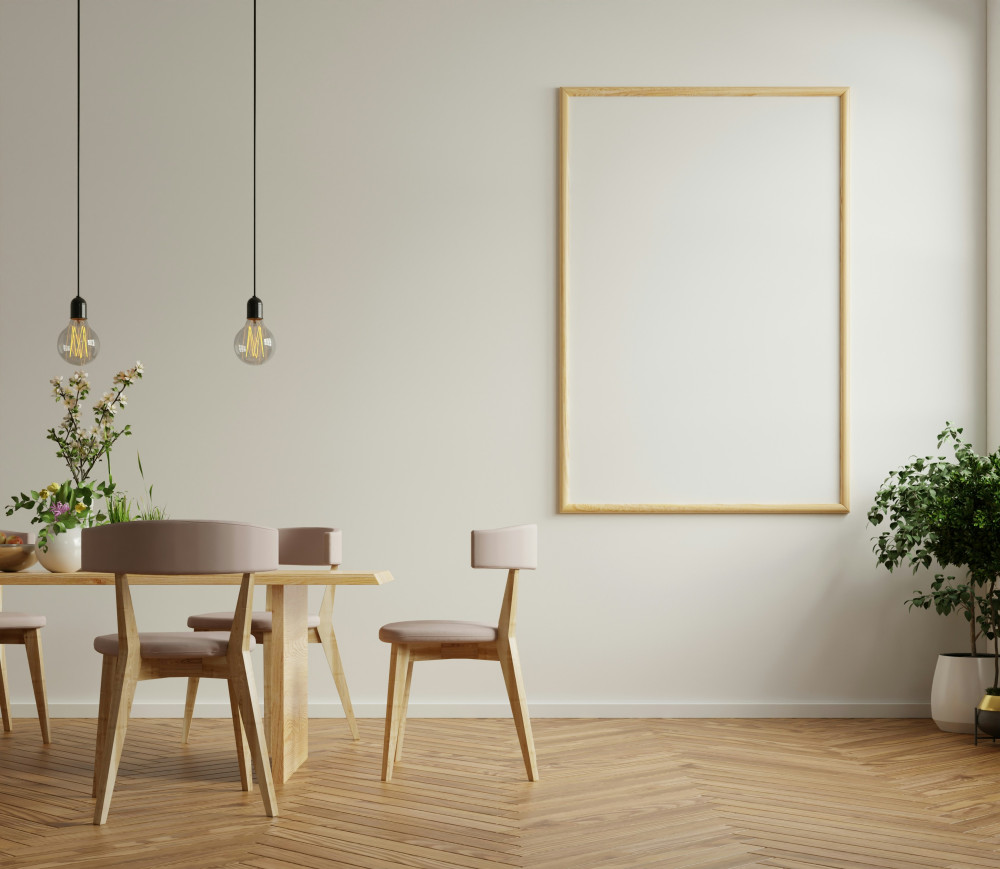
When selecting a piece for an open space, proportion is key. A small picture can disappear on a large wall, while an oversized piece can feel overwhelming. Try to imagine how the artwork will be experienced from a distance—and how it changes as you move closer.
Color, Material, and Light
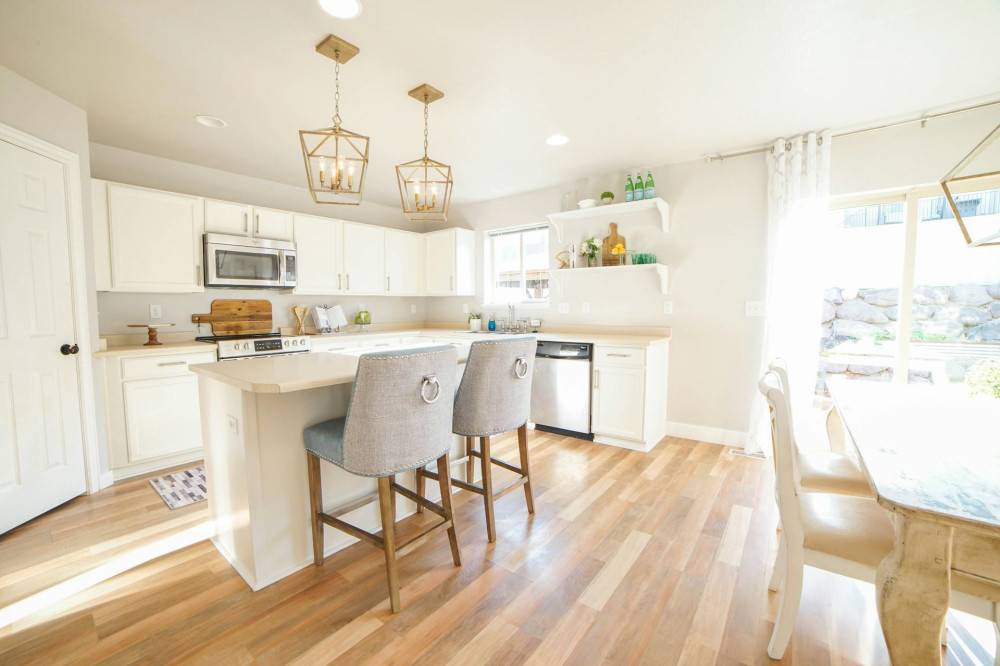
Lighting plays a crucial role in how an artwork is perceived. A room with large windows and natural light can enhance colors and textures, but it can also create reflections that shift throughout the day. Consider how the piece looks in both daylight and artificial light.
Material also matters. A textured canvas offers a different experience than a smooth photograph or a glass sculpture. In open spaces, contrasts can be especially effective—for example, a soft, organic piece in a room with sleek, industrial surfaces.
Placement and Balance
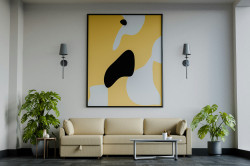
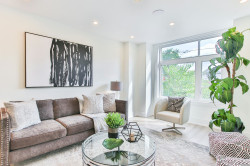
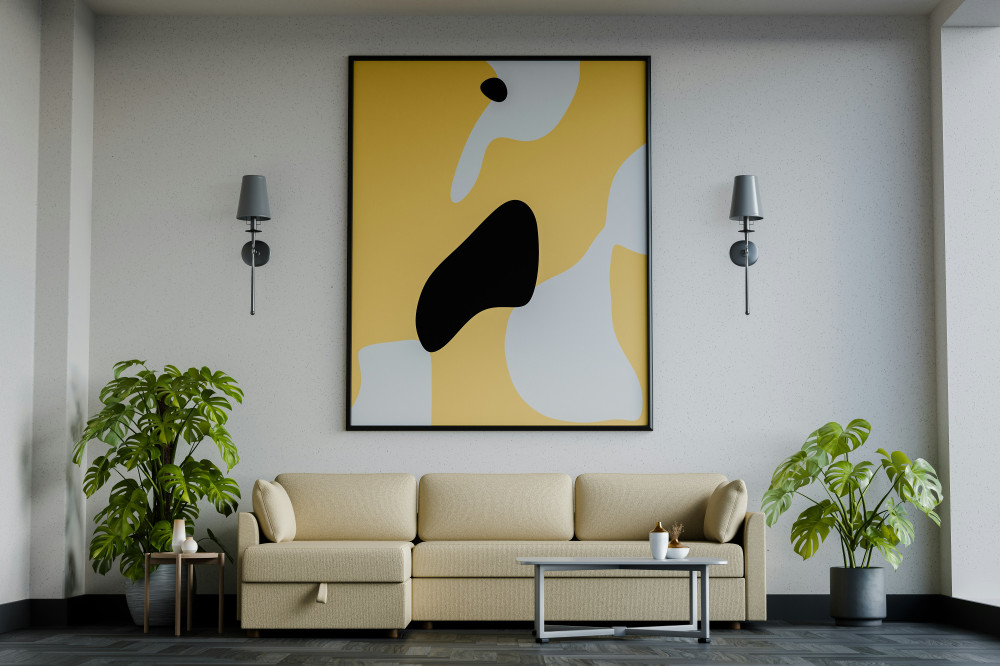
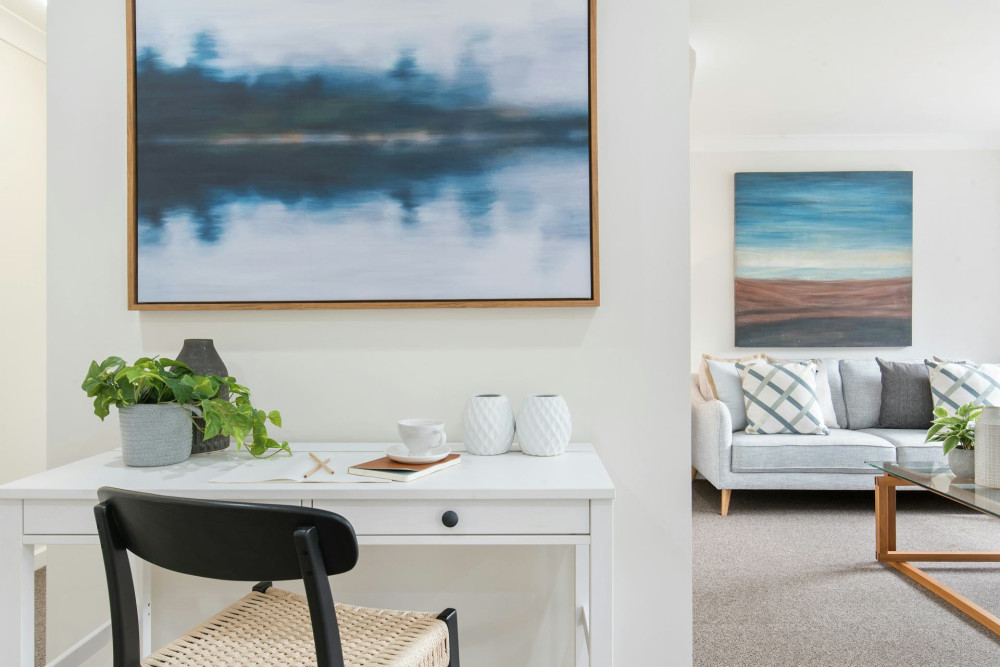
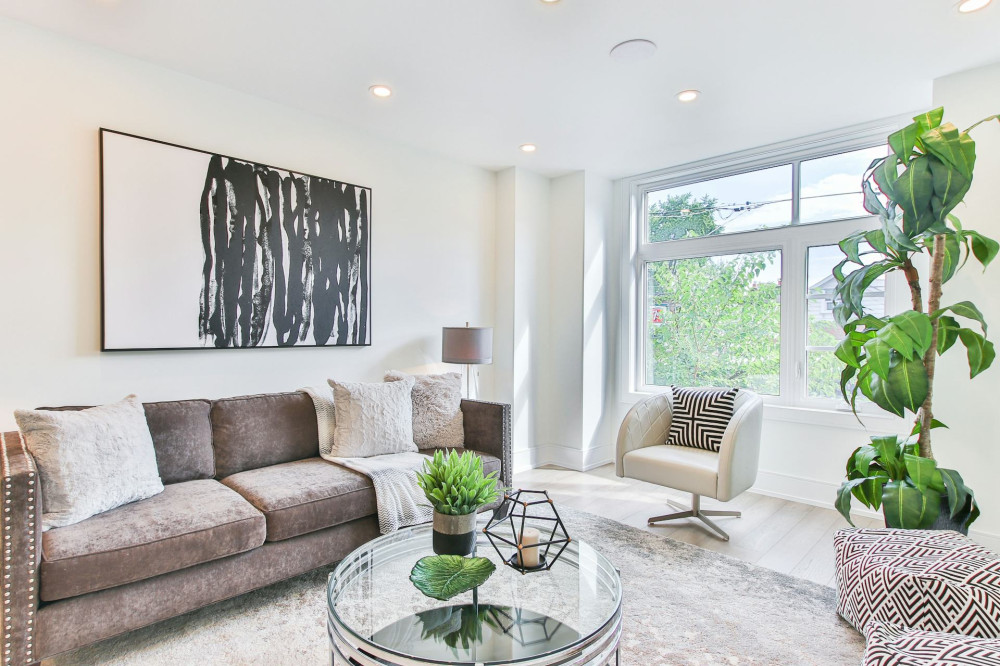
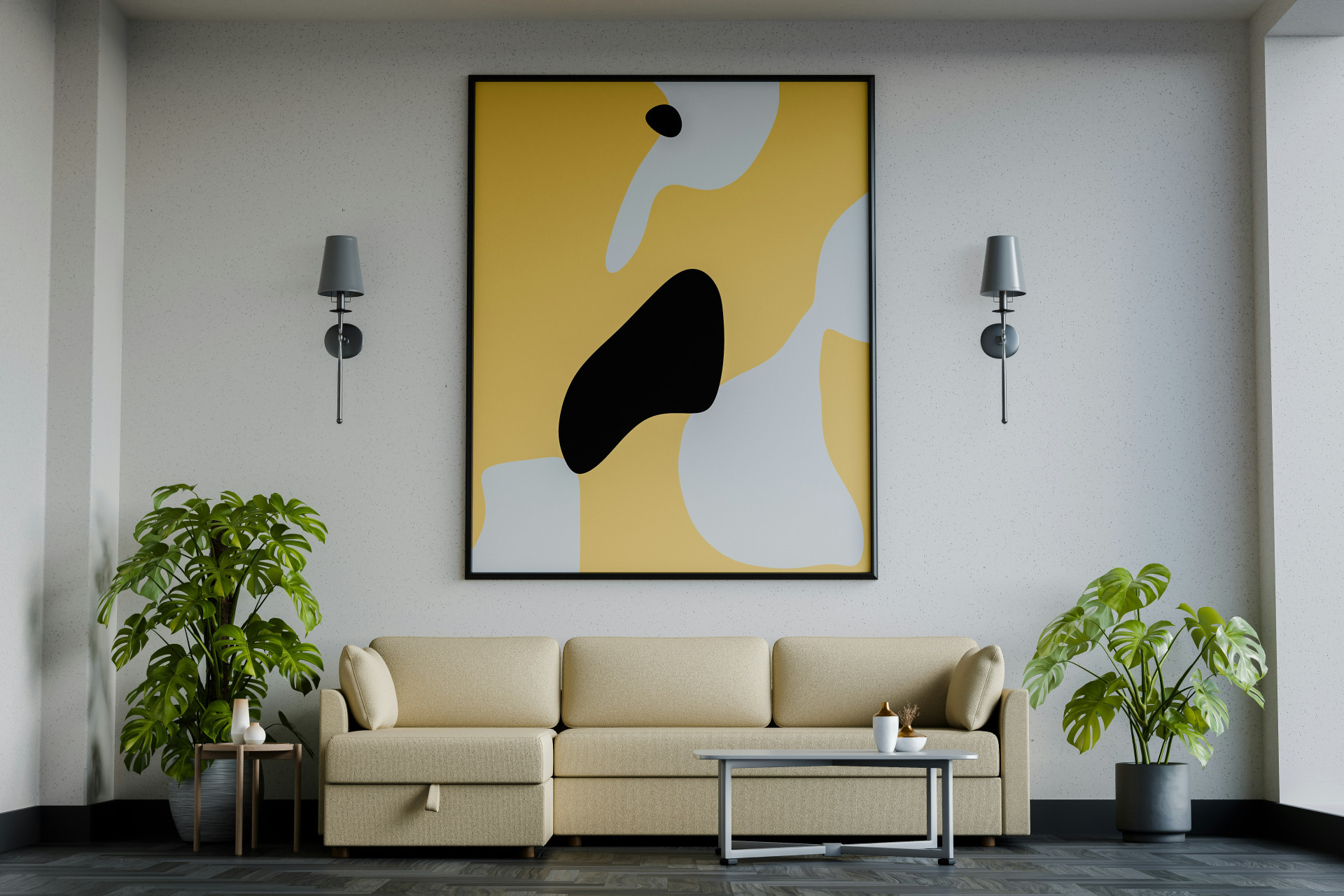
Placing a large artwork requires thoughtful consideration. It needs room to “breathe,” yet it should still feel integrated into the overall design. In a living room, it might hang above the sofa or on a wall that greets you as you enter. In a lobby or office, a central placement can make a strong first impression.
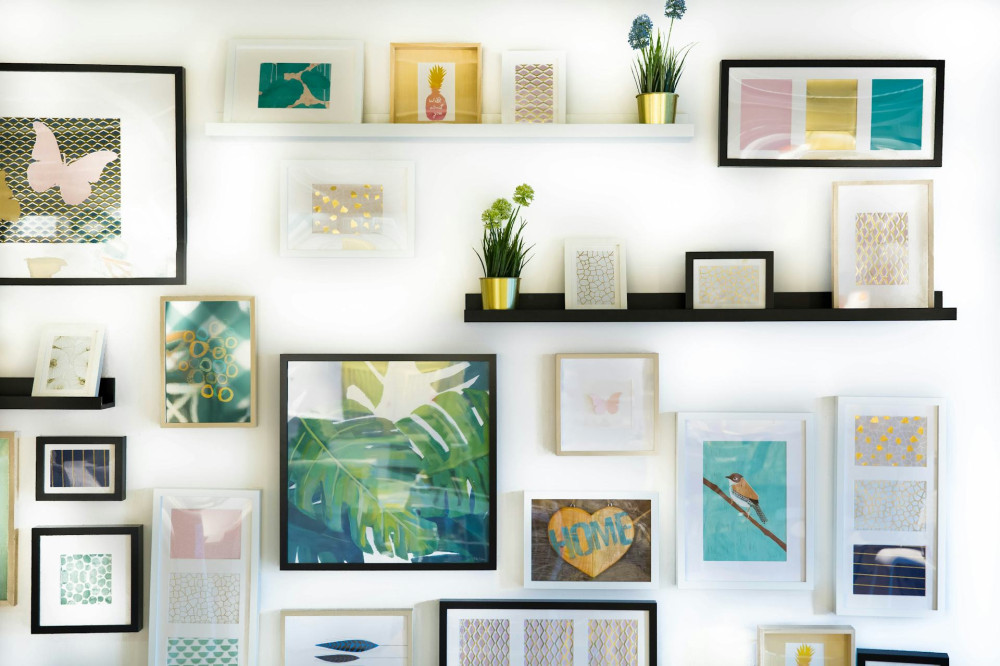
Think about how the artwork interacts with furniture, plants, and lighting. A large piece shouldn’t have to compete with too many other visual elements—it should be allowed to stand out as the focal point of the space.
Læs også:
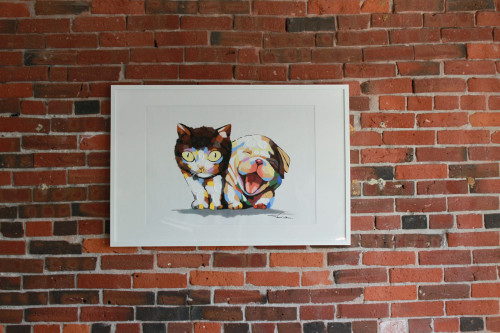

Public and Shared Spaces
In public spaces, large artworks take on a special role. They can create identity and tell a story. Many American cities use public art to highlight local history, celebrate community values, or invite engagement. A well-chosen piece can turn an otherwise ordinary area into a memorable landmark.
When art is placed in shared spaces, accessibility and durability are essential. Materials should withstand weather and wear, and the piece should be engaging from multiple viewpoints. At the same time, it should invite curiosity without feeling intrusive.
Art as a Personal Statement
In private homes, a large artwork can be a powerful expression of personality. It reflects who you are and what you value. Some people choose pieces that harmonize with their décor, while others prefer bold contrasts that add energy and edge.
The most important thing is that the artwork evokes a feeling—joy, calm, wonder, or inspiration. A large piece shouldn’t just be seen; it should be felt. When that happens, it becomes more than an eye-catcher—it becomes part of the soul of the space.
Læs også: