Connect the Rooms with Colors and Materials

Connect the Rooms with Colors and Materials
A home feels most harmonious when its rooms speak to each other—not by looking identical, but by sharing a clear sense of connection. Colors, materials, and textures can act as the thread that ties your spaces together, creating calm, rhythm, and personality. Here’s how to build a cohesive look that still allows each room to have its own character.
Begin with the Whole, Not the Individual Room
It’s tempting to decorate one room at a time, but if you want your home to feel unified, it helps to think across spaces. Consider how the rooms flow together—from the entryway to the living room, from the kitchen to the bedroom. Which colors and materials repeat? Which contrasts bring energy?
Try creating a mood board with paint swatches, fabric samples, and inspiration images. Seeing everything side by side helps you make intentional choices before you start painting or furnishing.
Colors as the Connecting Thread
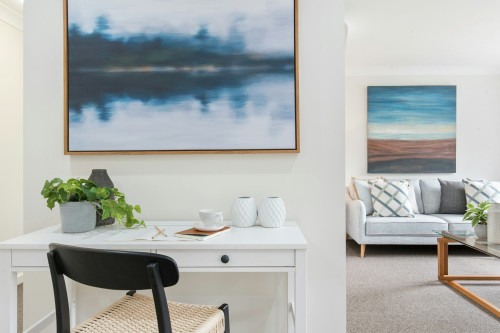
Color has a powerful influence on how we experience a space—and on how rooms relate to one another. You don’t need to paint every wall the same shade, but choose a palette that carries through your home. It might be a base of warm neutrals, accented with a few bolder tones that appear in different ways from room to room.
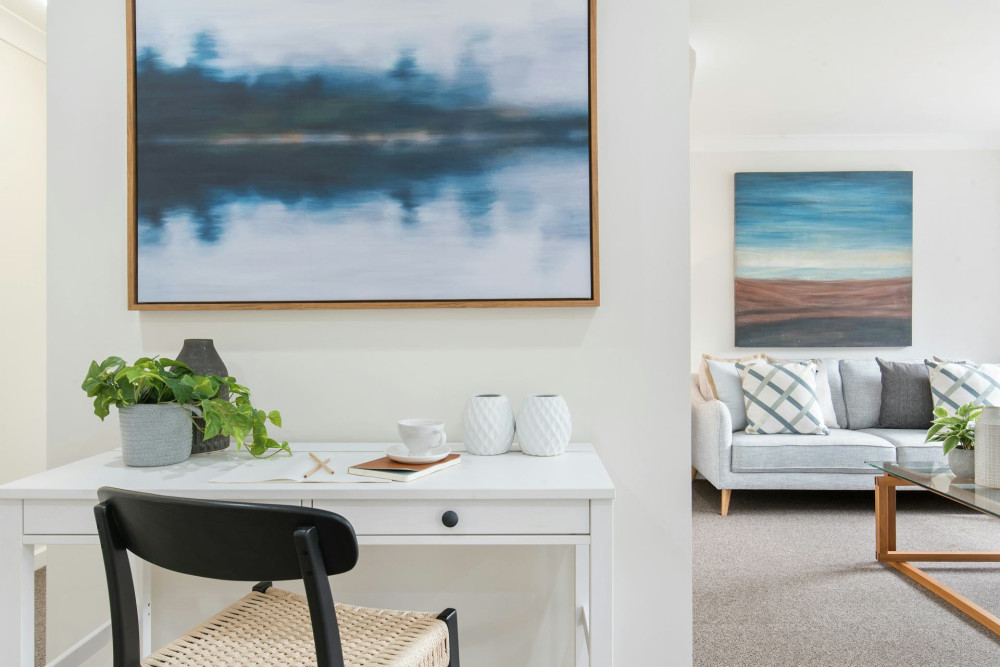
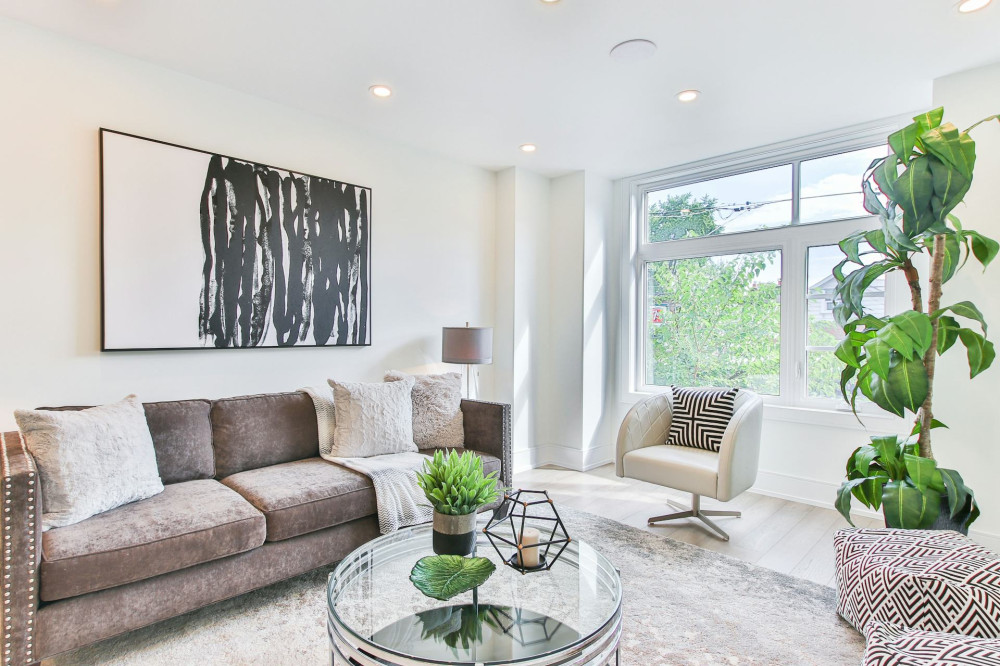
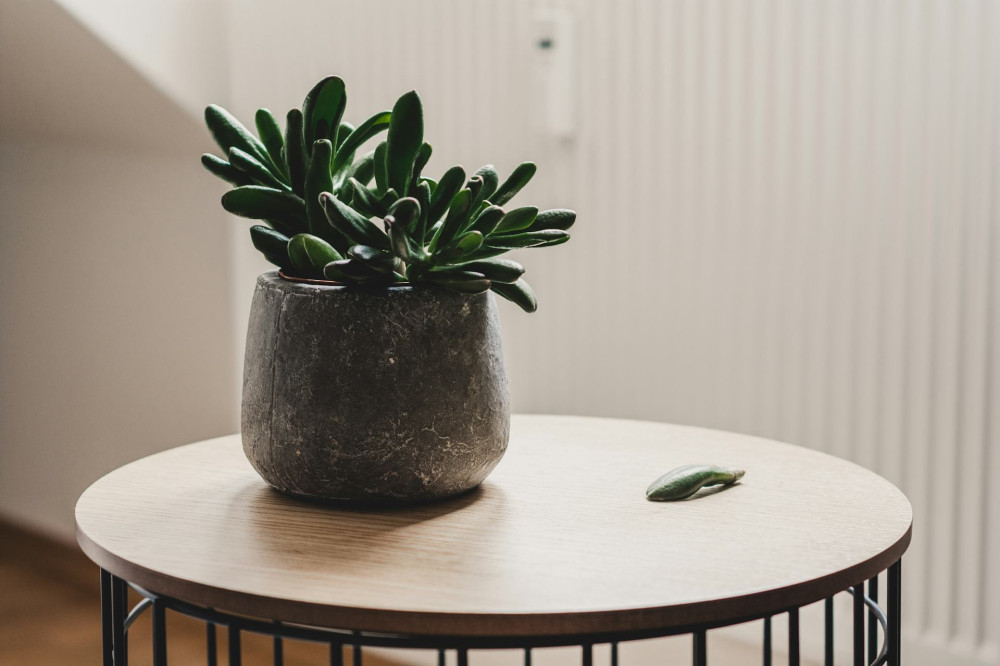
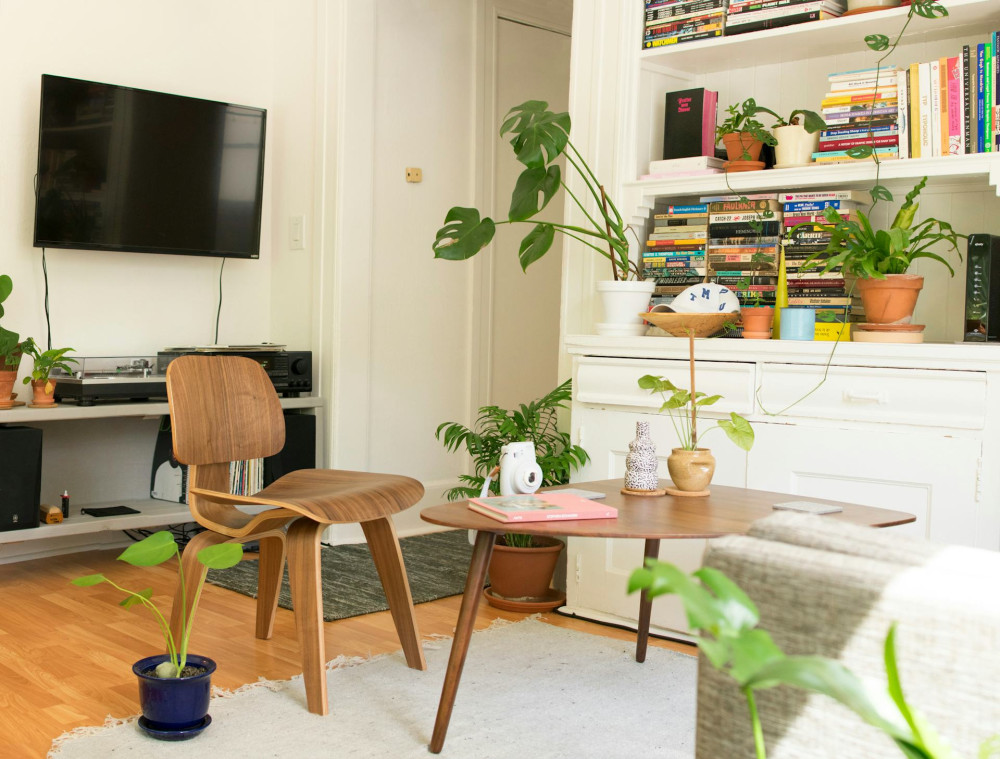
- Repeat colors in small doses. If your living room has a deep green accent wall, echo that green in throw pillows, artwork, or plants in nearby spaces.
- Play with shades. A navy bedroom can flow beautifully into a hallway painted in a softer blue-gray.
- Create rhythm. When the eye recognizes familiar colors as you move through the house, the space feels more connected.
Remember that lighting changes how colors appear. Always test paint samples in the actual rooms before committing.
Materials That Build Continuity
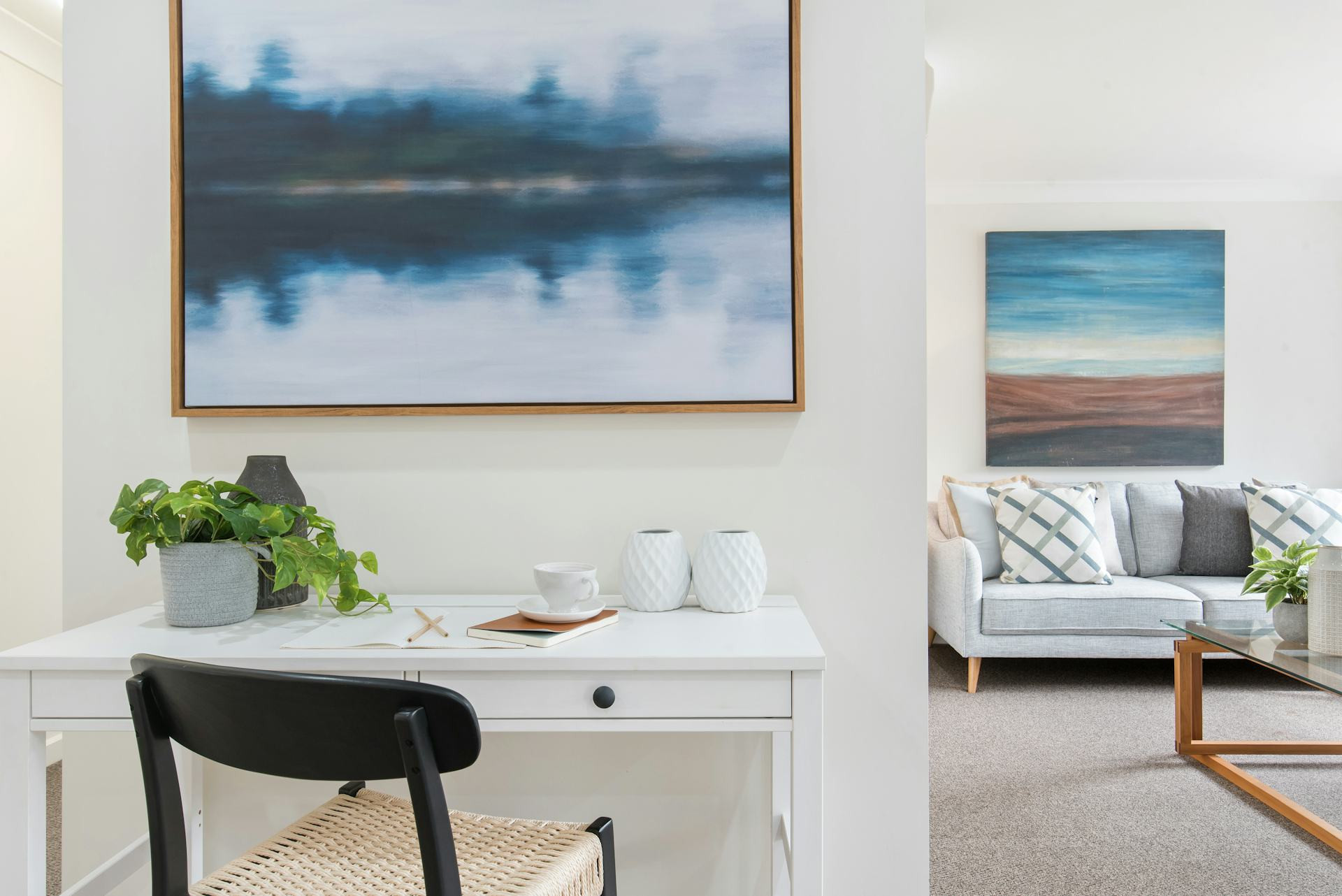
Materials are just as important as color when it comes to creating flow. Wood, stone, metal, and textiles each bring their own character, and repeating them across rooms creates a natural sense of unity.
- Floors are one of the most effective tools. Consistent flooring throughout several rooms makes a home feel larger and more seamless.
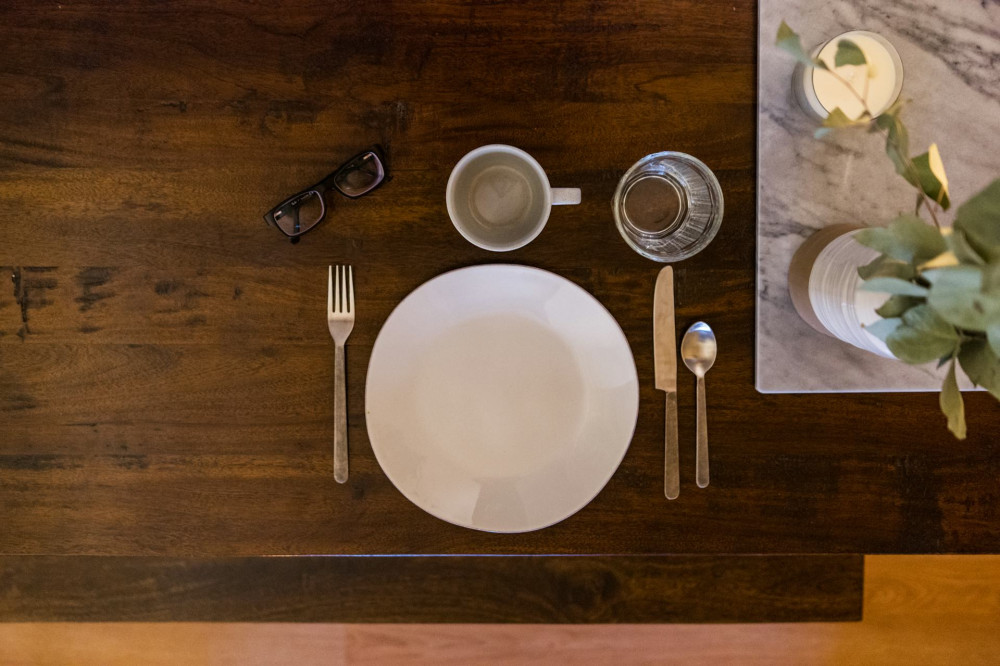
- Wood tones can be echoed in furniture, shelving, or trim—just keep the undertones similar to avoid visual clutter.
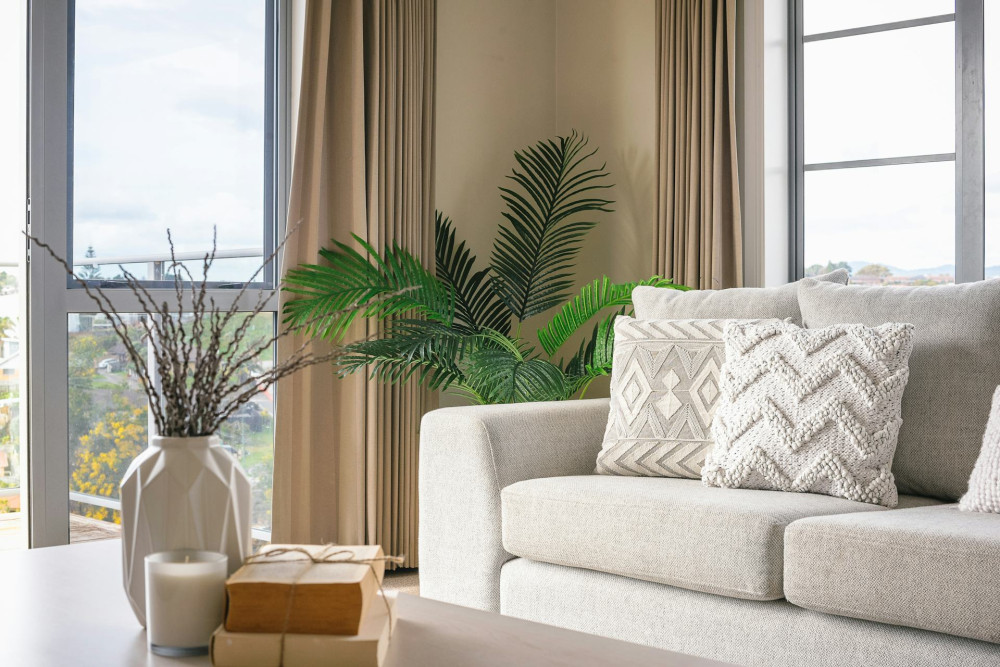
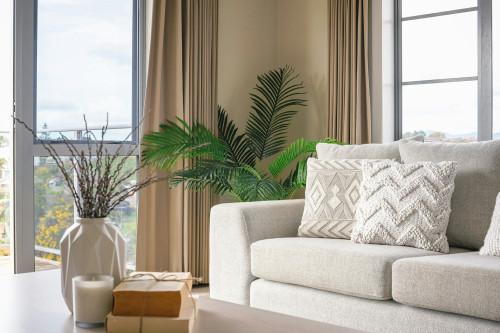
- Textiles like curtains, rugs, and cushions can softly tie colors and materials together.
If you crave variety, let one material take center stage in one room and appear as an accent in another. This balance keeps things cohesive but not monotonous.
Læs også:
Transitions and Details
Transitions between rooms often go unnoticed, yet they play a big role in how your home feels. Door frames, baseboards, and ceilings can all help create continuity. A consistent trim color or finish can act as a subtle link from one space to the next.
Lighting also contributes to the overall harmony. Choose fixtures that share a common style or material, but vary their shapes and functions. This approach keeps the design unified while adding visual interest.
Add Depth with Texture and Contrast
A home where everything matches too perfectly can feel flat. Texture and contrast bring life and depth. Mix smooth with rough, matte with glossy, cool with warm. These combinations make rooms feel dynamic—even when the color palette is calm.
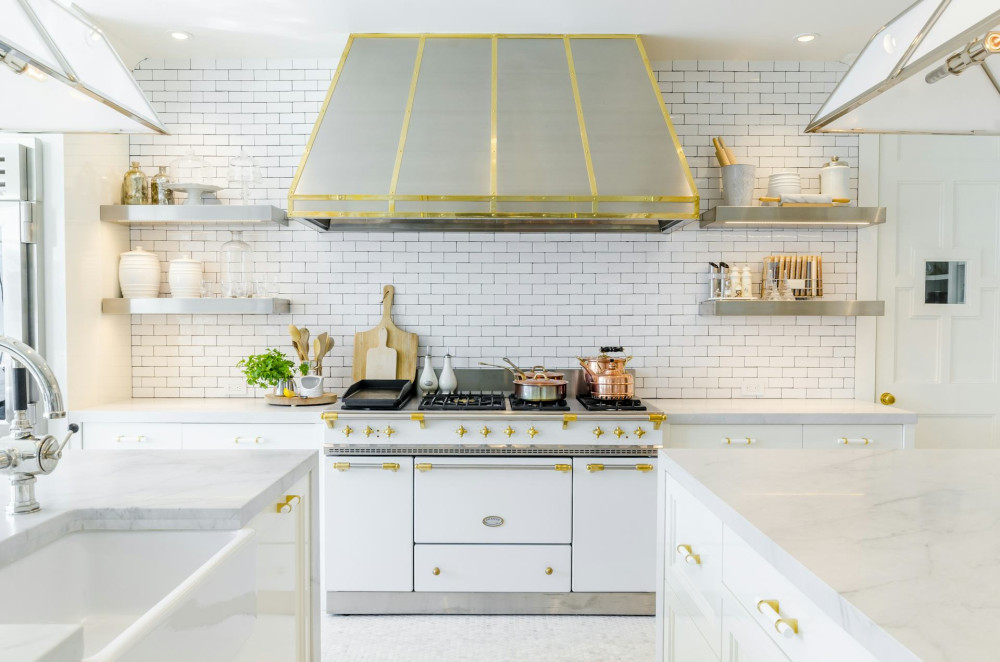
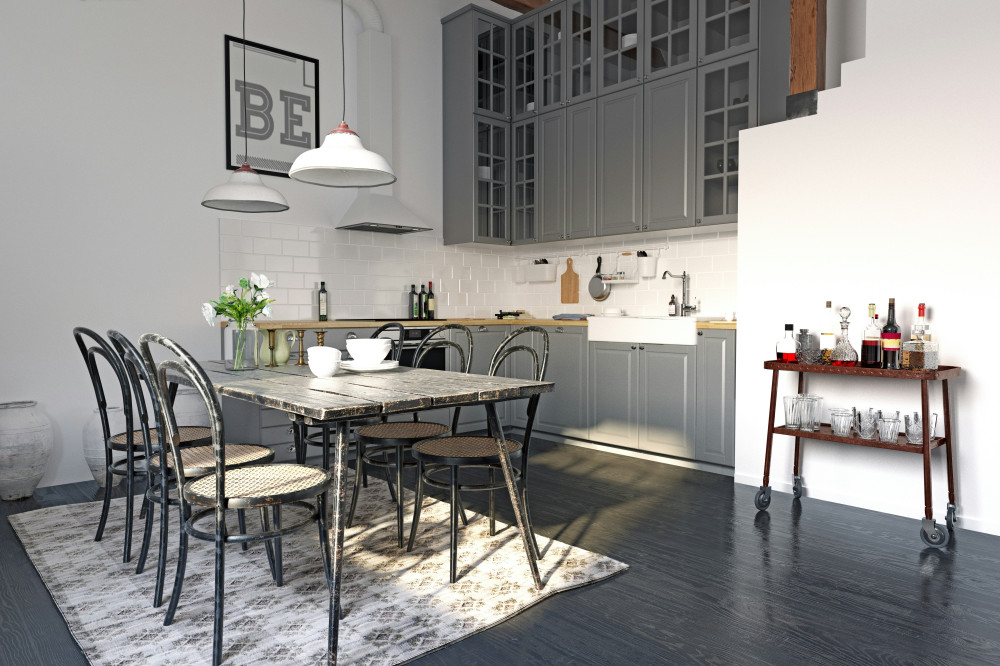
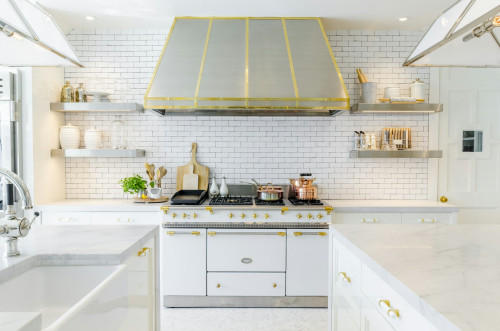
For example, pair a brick wall with a velvet sofa, or combine sleek metal hardware with warm wood cabinetry in the kitchen. The key is balance: enough variation to create interest, but not so much that the sense of unity is lost.
Let Personality Shine Through
While colors and materials create structure, your home should still reflect who you are. Personal items, heirlooms, and artwork add character and tell your story. When you place them thoughtfully within your color and material scheme, they enhance the overall design rather than disrupt it.
A good strategy is to choose a few recurring elements—perhaps a favorite color, a type of wood, or a particular shape—that appear in your personal pieces. This makes even eclectic collections feel intentional and connected.
A Home with Flow and Soul
Connecting rooms isn’t about making everything look the same—it’s about creating a rhythm where each space has its own voice but still sings in harmony with the rest. When colors, materials, and details work together, a sense of calm and coherence emerges—something you can both see and feel.
A cohesive home feels thoughtful yet alive. It’s a place where you can move from room to room and always feel that you belong.
Læs også: