How to Hang Pictures in Rooms with Slanted Walls

How to Hang Pictures in Rooms with Slanted Walls
Rooms with slanted walls can be both charming and tricky to decorate. The angled ceilings add character and coziness, but they also make it harder to figure out how to hang artwork in a way that looks balanced. How do you make your pictures look right when the walls aren’t straight? Here’s a practical guide to help you make the most of your space and create a beautiful gallery wall—even under a sloped ceiling.
Start by Understanding the Room’s Lines
In a room with slanted walls, it’s important to work with the architecture rather than against it. Take a good look at how the walls meet and where the slope begins. The goal is to use the room’s natural lines to your advantage.
- Follow the slope: Hanging pictures in a line that mirrors the angle of the ceiling can create a pleasing rhythm that emphasizes the room’s shape.
- Create balance: Instead of trying to “correct” the wall visually, embrace the asymmetry. A picture hung slightly lower on one side can add interest and movement.
- Use wall space strategically: Save the vertical walls for larger pieces, and use the slanted sections for smaller or lighter frames.
Choose the Right Hanging Methods
When walls are angled, secure mounting is especially important. Traditional nails and screws can work, but there are also flexible solutions that make it easier to adjust and rearrange your art.
- Picture rails: Installing a rail along the top of the wall or near the ceiling lets you hang pictures from adjustable cables. You can change the height or layout without drilling new holes.
- Adhesive hooks: For lightweight frames, strong adhesive strips are a great option—especially in apartments or rental homes where you want to avoid wall damage.
- Angle brackets: If you’re hanging a picture directly on a slanted surface, small brackets can help keep the frame level and secure.
Always consider the wall material before drilling—drywall, plaster, brick, or wood each require different anchors and screws.
Create a Harmonious Composition
In rooms with slanted walls, finding a natural “horizontal” reference point can be difficult. Instead of focusing on single pieces, think in terms of groups and overall composition.
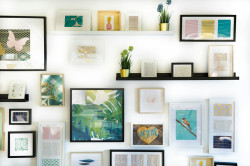
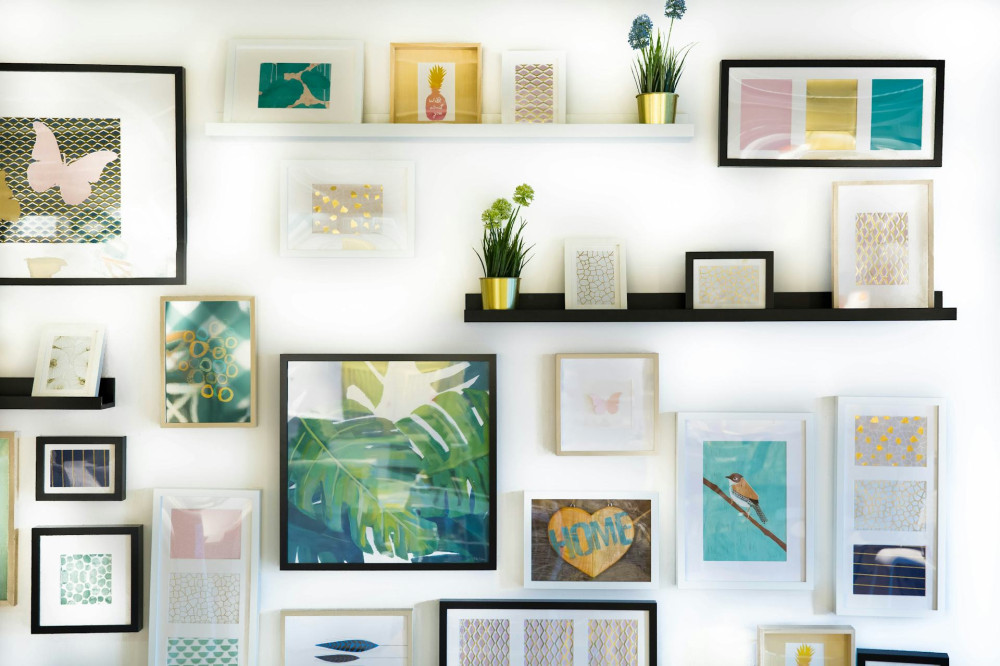
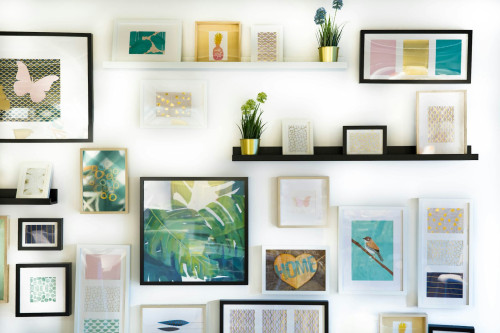
- Build a gallery wall: Combine several smaller pictures into one cohesive arrangement. Use an imaginary line that follows the slope as your guide.
- Keep spacing consistent: Even spacing between frames creates visual calm, even when the wall itself isn’t straight.
- Mix shapes and sizes: Square, rectangular, and round frames can work beautifully together—especially if you repeat colors or themes.
A helpful trick is to lay your pictures out on the floor first. Experiment with different arrangements before committing to nails or hooks.
Make the Most of the Light
Rooms with slanted walls often have skylights or large windows, which means plenty of natural light—but also potential glare and fading. Avoid hanging artwork where direct sunlight hits it, as UV rays can damage colors over time.
Instead, consider spotlights or picture lights that can be angled to highlight your art without reflections. In rooms with low ceilings, small wall sconces or LED strips can add subtle, focused illumination.
Læs også:
Let the Art Complement the Space
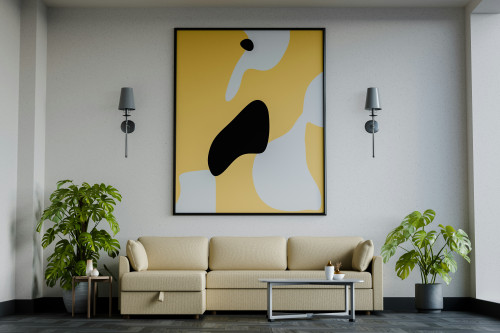
Rather than seeing slanted walls as a limitation, treat them as a creative opportunity. A picture tucked under a beam, in a nook, or along a stairway can become a natural focal point.
You can also think beyond traditional wall hanging:
- Lean framed art on shelves or dressers.
- Use easels or stands for larger pieces.
- Combine artwork with mirrors, plants, or textiles for a layered, personal look.
The key is to make your art feel like part of the room—not something that’s fighting against its shape.
A Personal Solution for a Unique Room
There are no strict rules for hanging pictures in rooms with slanted walls. It’s all about finding what fits your space and your style. Experiment, move things around, and let the room’s lines and light guide you.
Once you strike the right balance between function and aesthetics, even the most angled walls can become a stunning backdrop for your favorite art.
Læs også: