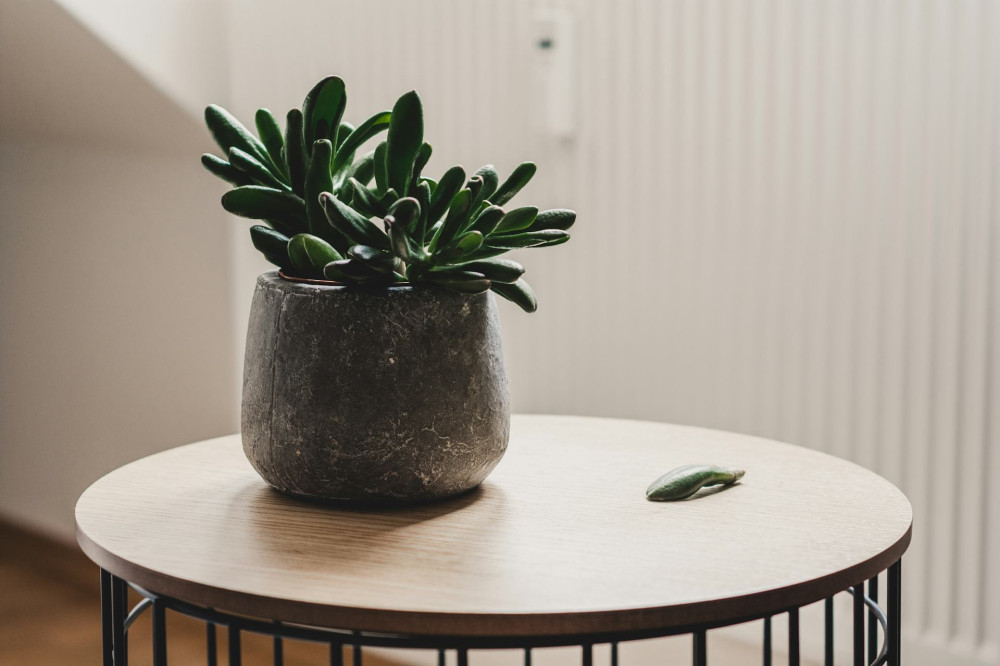
Light and Style: Using Lighting to Shape the Mood in Your Green Home

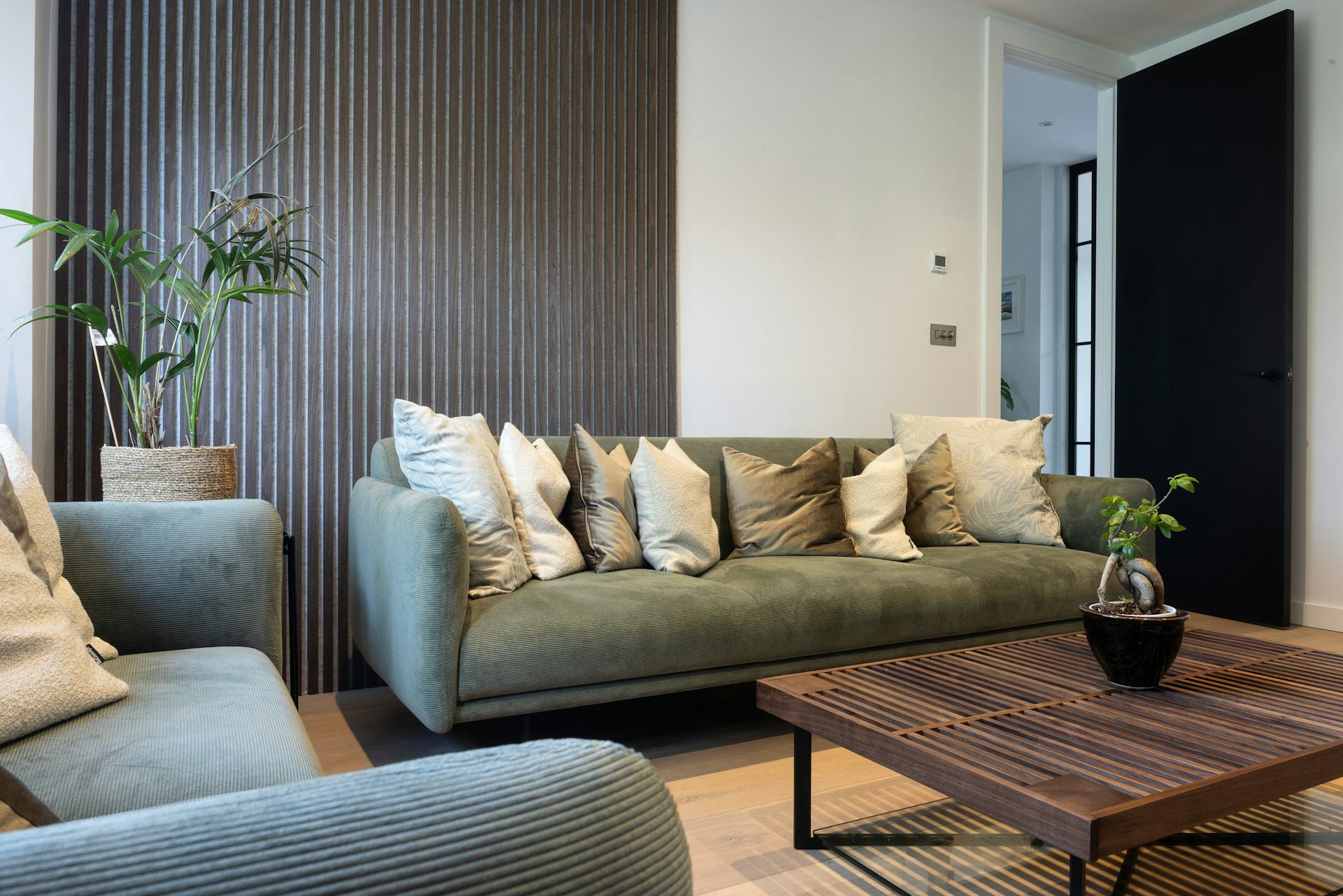
Light and Style: Using Lighting to Shape the Mood in Your Green Home
Light in your home is more than a practical necessity—it’s a mood-setter, an energy source, and a key element for both people and plants. In a green home, where nature takes center stage, thoughtful lighting can transform the atmosphere and support your plants’ well-being. Here’s how to use natural and artificial light to create balance, vitality, and style in your sustainable home.
Understanding the Power of Light
Light influences how we feel and how we experience a space. A room bathed in soft, warm light feels cozy and inviting, while cool, bright light promotes focus and energy. For plants, light is life itself—without it, they can’t grow or thrive.
Designing a green home means finding harmony between aesthetics and function. That involves considering how much natural light each room receives, how it shifts throughout the day, and how to supplement it with artificial lighting when the sun isn’t enough.
Natural Light – The Best Foundation
Start by observing how sunlight moves through your home. South-facing windows (in the Northern Hemisphere) receive the most consistent light, perfect for sun-loving plants like succulents, cacti, and citrus trees. East-facing windows capture gentle morning light, ideal for peace lilies and ferns, while west-facing windows bring in warm afternoon rays that highlight colors and textures beautifully.
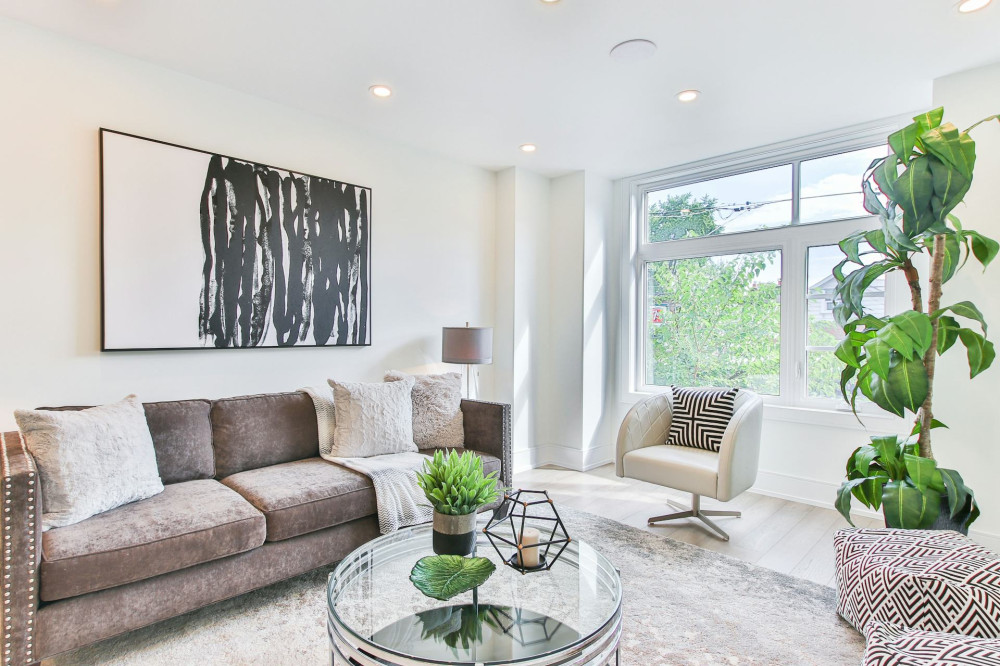
If you have north-facing rooms with limited sunlight, you can still create a lush look with shade-tolerant plants such as monstera, snake plants, or ZZ plants. Pair them with light-colored walls and mirrors to reflect natural light and make the space feel larger and more vibrant.
Læs også:
Setting the Mood with Artificial Lighting
When evening falls or winter days grow short, artificial lighting takes over. The right fixtures can enhance your plants and set the tone for each room.
- Warm light (2700–3000 Kelvin) creates a relaxed, cozy atmosphere—perfect for living rooms and bedrooms.
- Neutral light (3500–4000 Kelvin) works well in kitchens and workspaces, offering clarity without feeling harsh.
- Cool light (above 4000 Kelvin) can support plant growth, especially during darker months when daylight is scarce.
Choose LED bulbs with a high color rendering index (CRI above 90) to ensure your plants’ greens look natural and vibrant. You can also add full-spectrum grow lights that mimic sunlight, giving your plants the energy they need year-round.
Playing with Contrast and Shadows
Lighting isn’t just about brightness—it’s about direction and contrast. By placing lamps strategically, you can add depth and dimension to your space. An uplight that casts light toward the ceiling creates a soft, open feel, while a spotlight aimed at a large plant highlights its shape and texture.
Shadows can be part of the design, too. When light filters through leaves, it creates dynamic patterns on walls and floors that shift throughout the day. This interplay of light and shadow brings a sense of movement and natural rhythm into your home.
Light and Sustainability
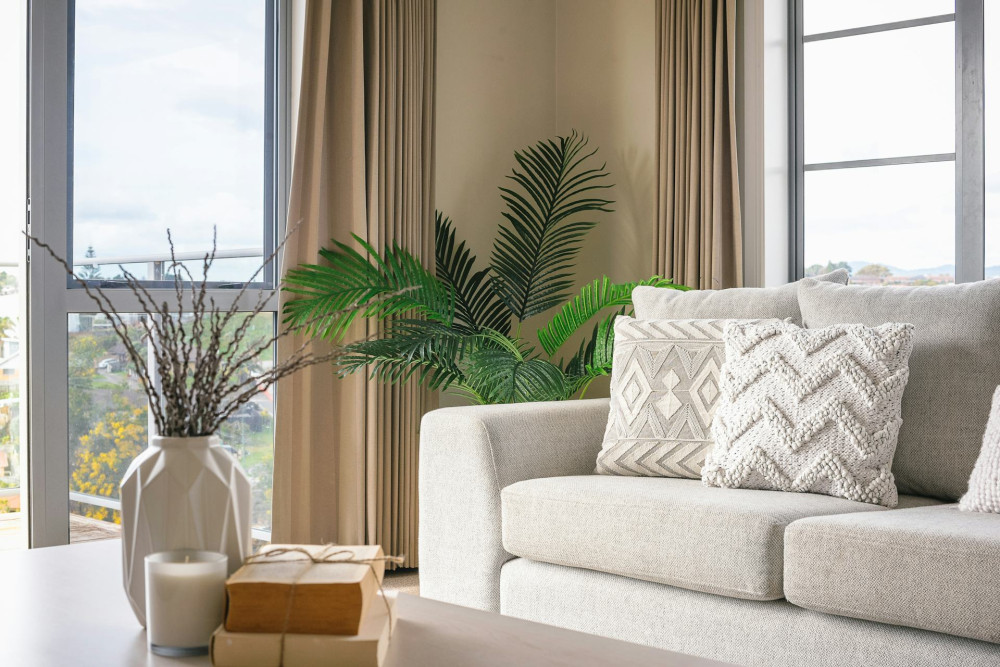
A green home is about more than just plants—it’s about making eco-conscious choices. Opt for energy-efficient LED lighting, and use dimmers, motion sensors, or timers to ensure lights are only on when needed. Take advantage of daylight by using sheer curtains that diffuse but don’t block sunlight.
For an extra sustainable touch, consider solar-powered lights for your patio or garden. They’re an eco-friendly way to extend your evenings outdoors while reducing your energy footprint.
Create Your Own Light Garden
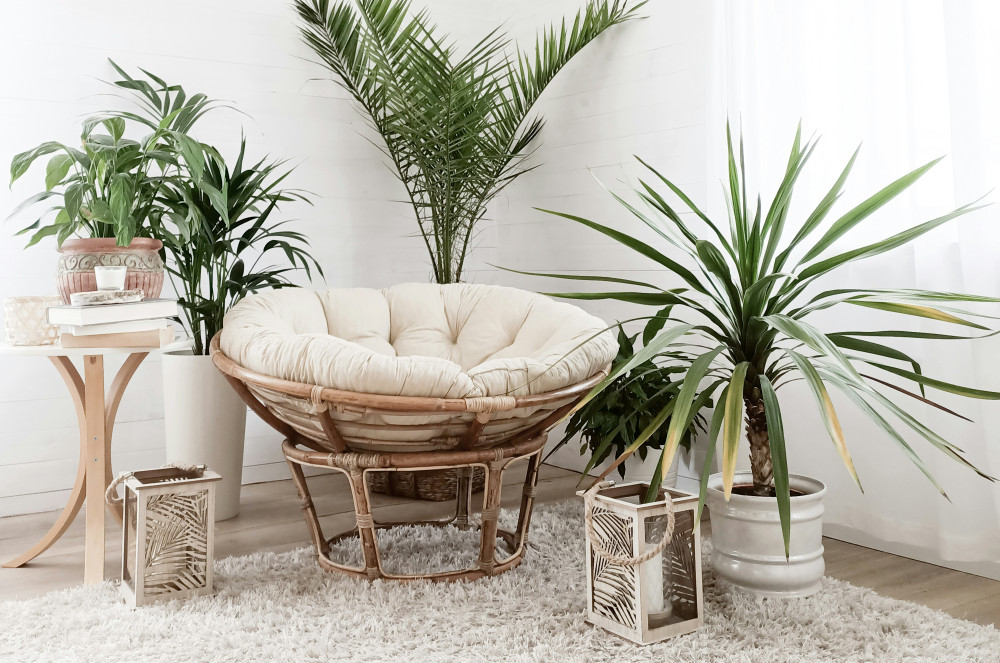
Think of your home as a living ecosystem where light and plants work together. Group plants near windows and lamps to form small green sanctuaries. Use hanging plants to catch overhead light, and place floor plants where they can bask in sunbeams.
By blending natural and artificial light, you can craft a home that feels alive, balanced, and full of warmth—a place where you and your plants can thrive side by side.
Læs også: