Large Plants in Large Spaces: Harmony Without Dominance

Large Plants in Large Spaces: Harmony Without Dominance
Large plants can transform a space. They bring life, structure, and a sense of calm that few other design elements can match. But when plants grow tall and lush, they can easily overpower a room—especially if they’re not placed or combined thoughtfully. In spacious interiors, the goal is balance: letting plants make a statement without stealing the show. Here’s how to use large plants to create harmony and flow in your home or workspace.
Plants as Architectural Features
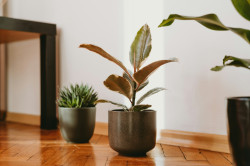
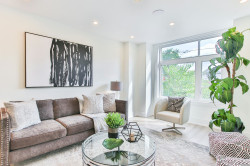
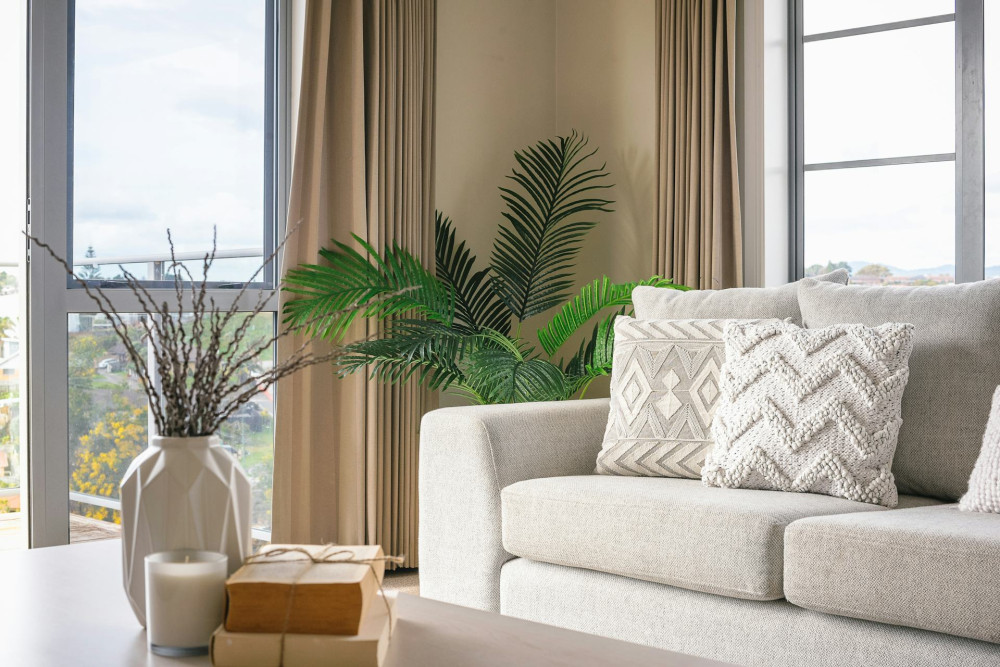
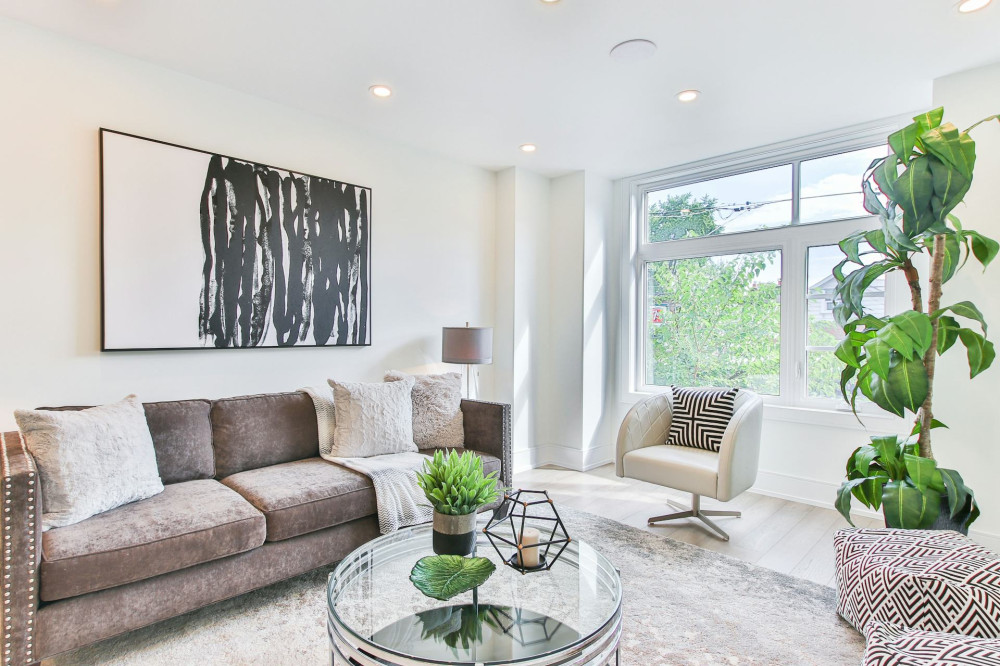
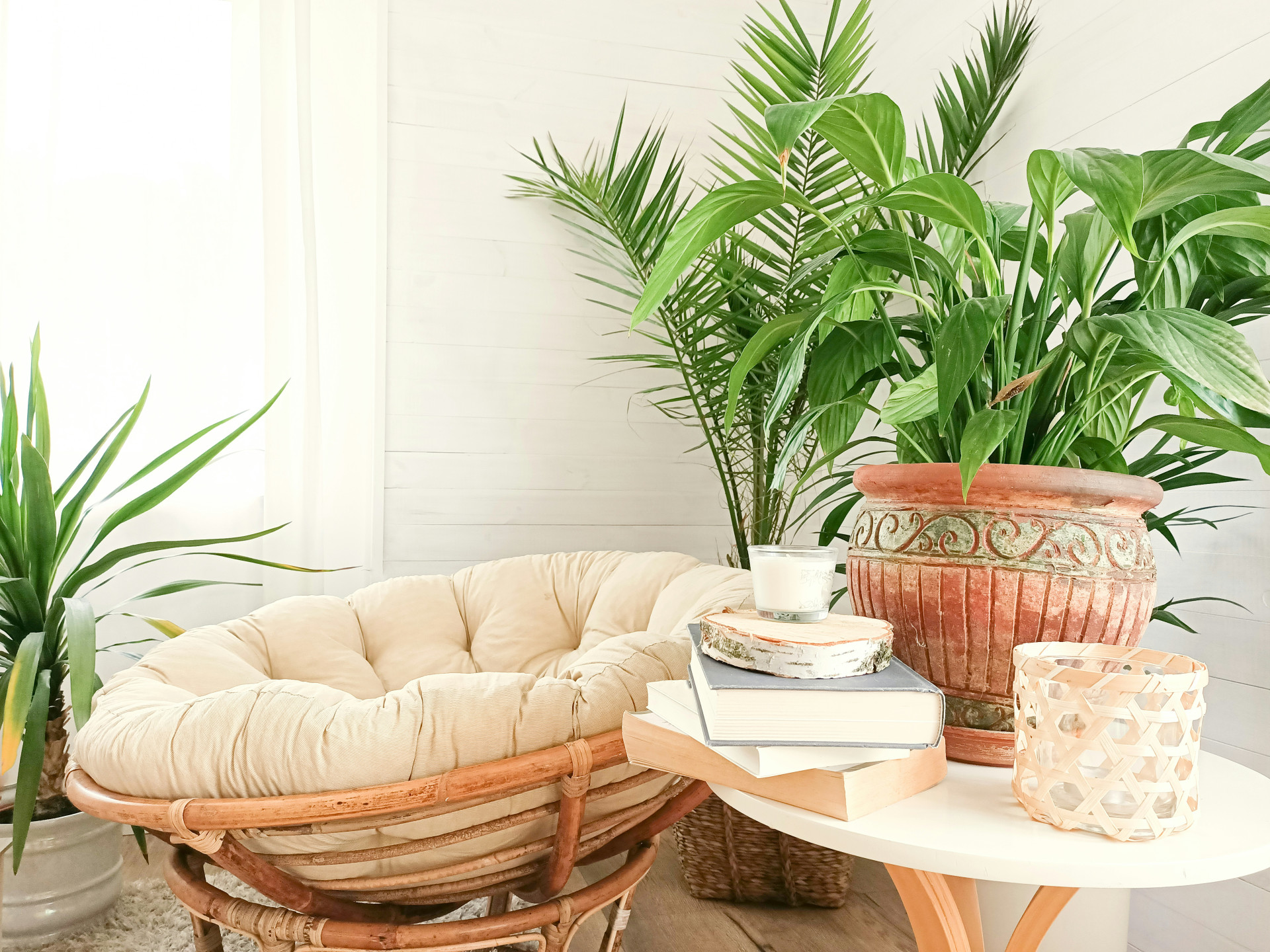
In expansive spaces—like open-plan living rooms, lofts, or office lobbies—plants can act as natural dividers or visual anchors. A tall fiddle-leaf fig, bird of paradise, or rubber plant can define a corner, soften a hard edge, or create a natural transition between zones.
Think of plants as part of the architecture. They can emphasize lines, add depth, and balance large surfaces. A single, well-placed plant often has more impact than several smaller ones scattered around.
Choose Plants That Fit the Space
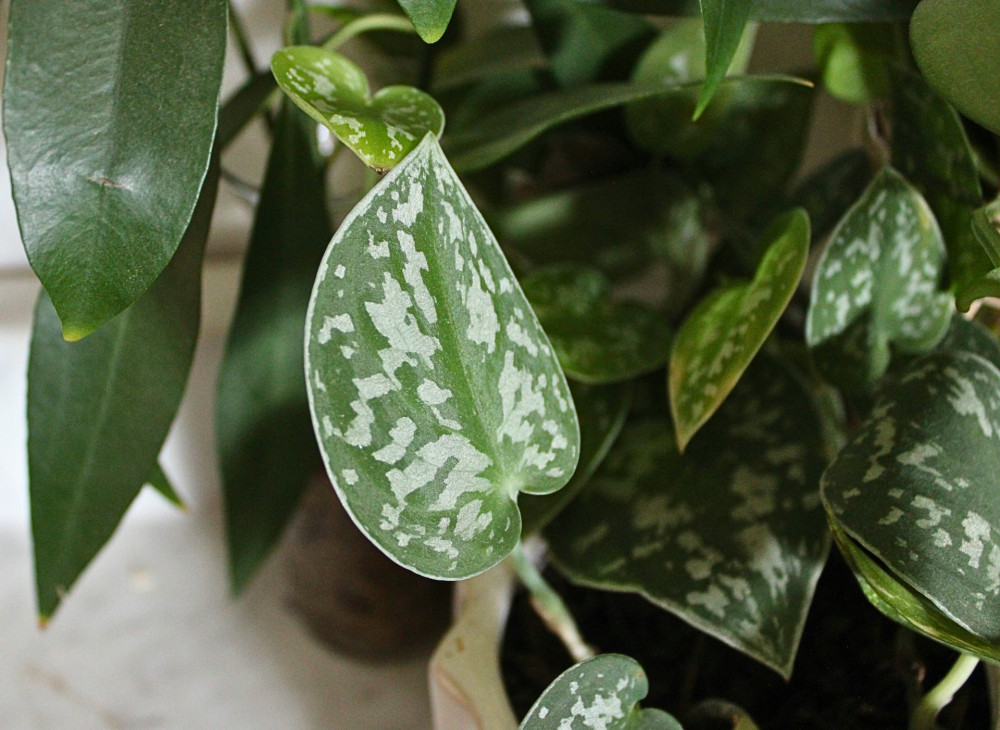
Not every large plant suits every environment. A lush monstera thrives in bright, indirect light, while a yucca or dracaena can handle more sun and drier air. Before choosing, consider the room’s light, temperature, and humidity.
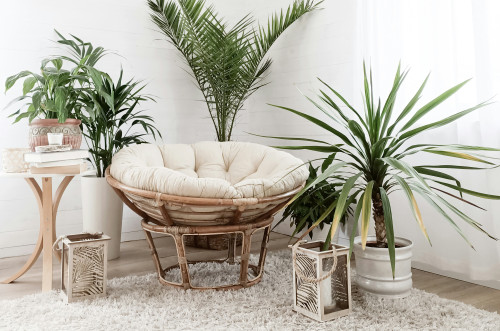
- Bright, airy rooms: Try palms, bird of paradise, or fiddle-leaf figs that love light and space.
- Cooler or shaded areas: Ferns, cast-iron plants, and ZZ plants do well in lower light.
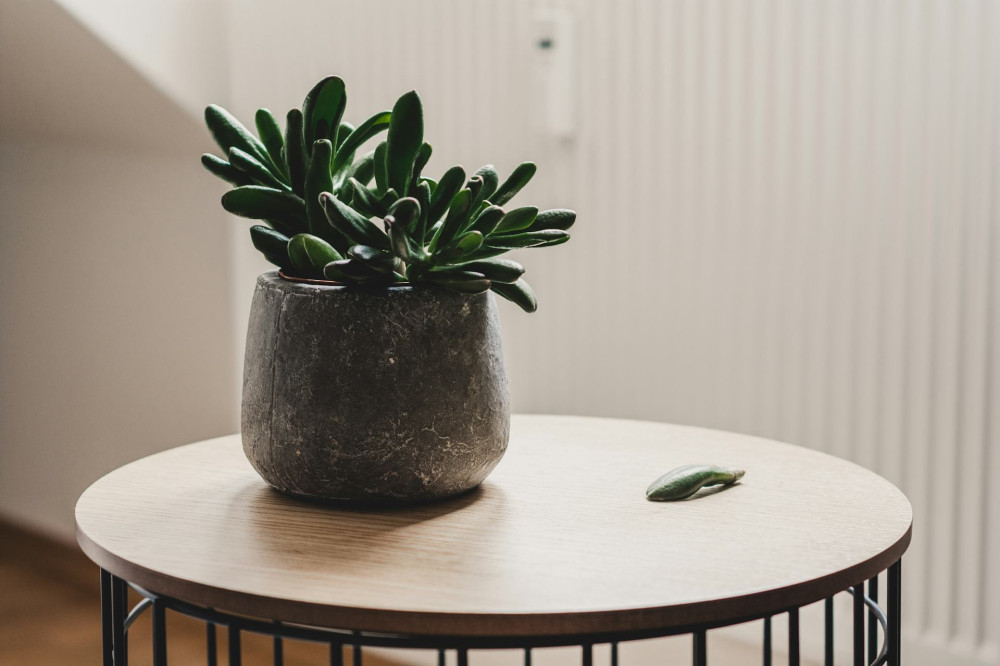
- Modern, minimalist interiors: A single sculptural plant in a simple pot can highlight clean lines and open space.
The key is to match the plant’s character to the room’s personality—both aesthetically and practically.
Balance Through Proportion and Placement
A large plant needs room to breathe. If it’s squeezed between furniture or too close to a wall, it can look cramped and lose its elegance. Give it space so its shape and texture can shine.
Pay attention to height variation. If everything in the room sits at the same level—sofa, tables, lamps—a tall plant adds vertical interest and energy. Conversely, lower plants can help tie the space together and create calm.
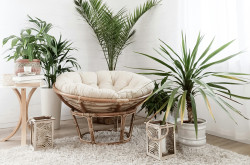
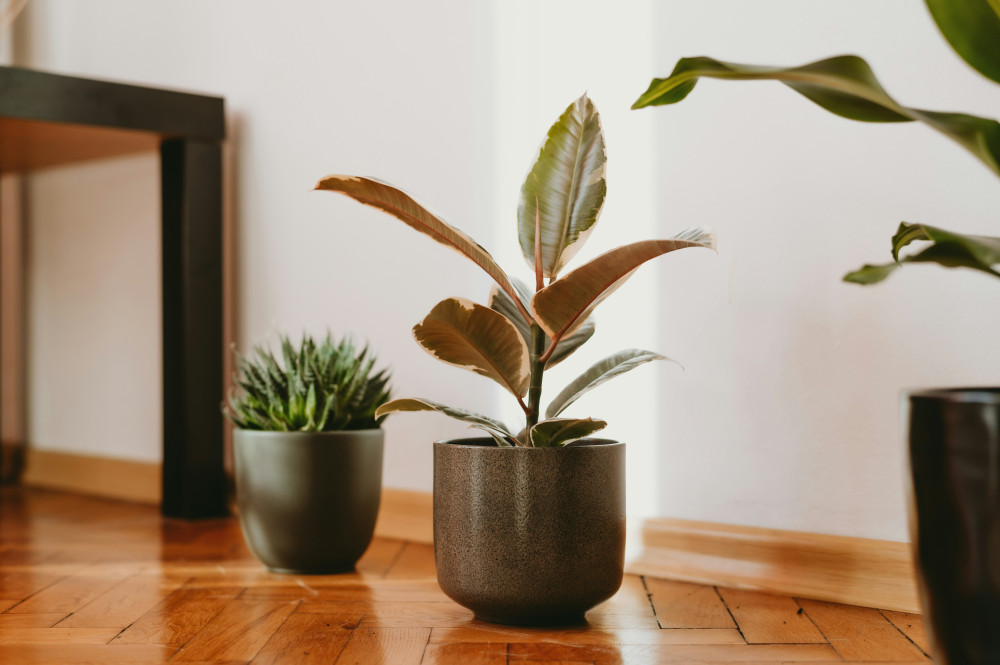
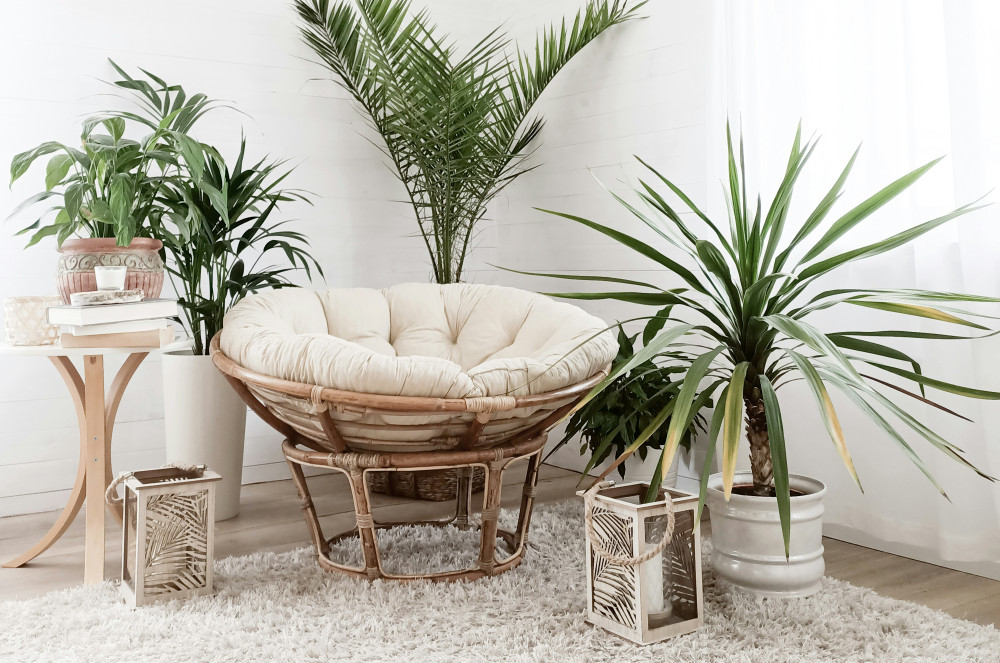
A good trick is to group a large plant with smaller ones around its base. This creates a natural, layered look that guides the eye smoothly through the room.
Læs også:
Pots, Color, and Material: Completing the Look
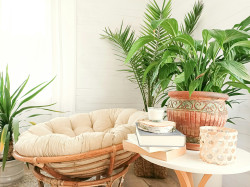
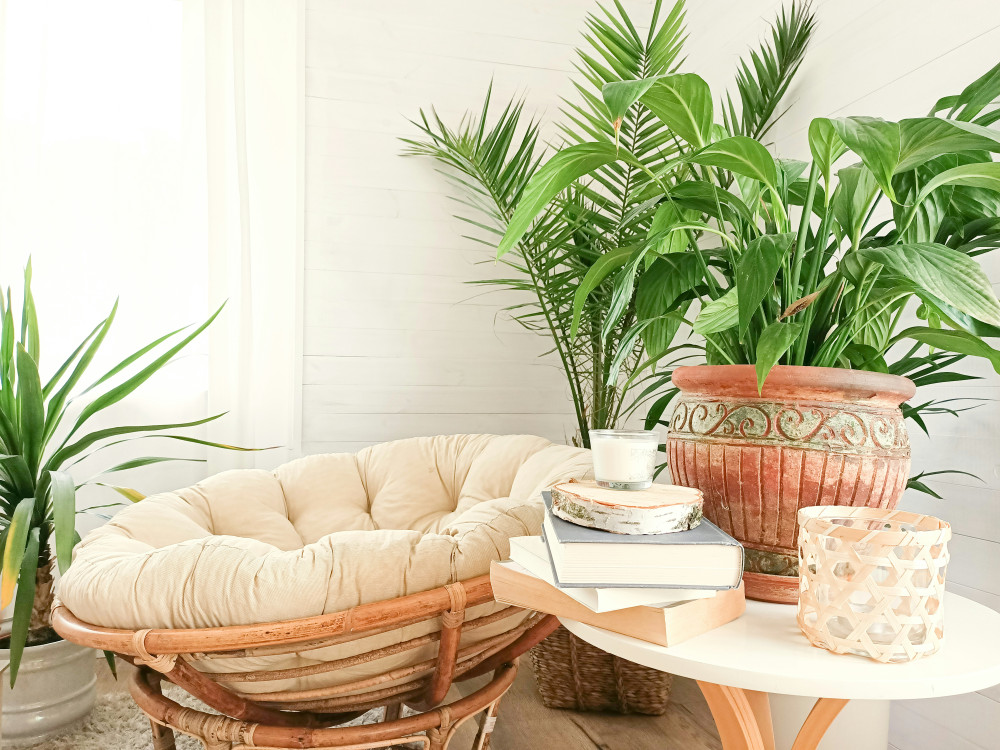
The pot is more than a container—it’s part of the design. In large spaces, choose pots made of natural materials like clay, concrete, or woven fibers to add texture and weight. The color should complement the room’s palette: neutral tones for serenity, or bold contrasts for energy.
If you have several large plants, vary the height and shape of the pots but keep some consistency in color or material. This creates unity without monotony.
Care and Consistency
Large plants don’t necessarily require more work, but they do need stability. Make sure they get the right amount of light and water, and avoid moving them too often. Many large plants are sensitive to changes in light and temperature.
Self-watering pots or moisture indicators can be a big help—especially if you travel or have many plants. They make it easier to maintain steady moisture levels, which large plants appreciate.
When Plants Shape the Atmosphere
Large plants can dramatically change how a space feels. They soften acoustics, improve air quality, and bring a sense of calm and vitality. In big rooms where sound can echo, they act as natural sound absorbers.
Most importantly, they bring life. A thriving plant signals care and balance—and that energy radiates throughout the space.
Harmony Without Dominance
Designing with large plants isn’t about filling space—it’s about refining it. When proportions, light, and materials work together, plants become part of the room’s rhythm rather than a distraction.
With the right balance, large plants can give expansive spaces warmth, soul, and harmony—without ever taking over.
Læs også: