Create Your Own Terrarium – Small Green Works of Art for Your Home

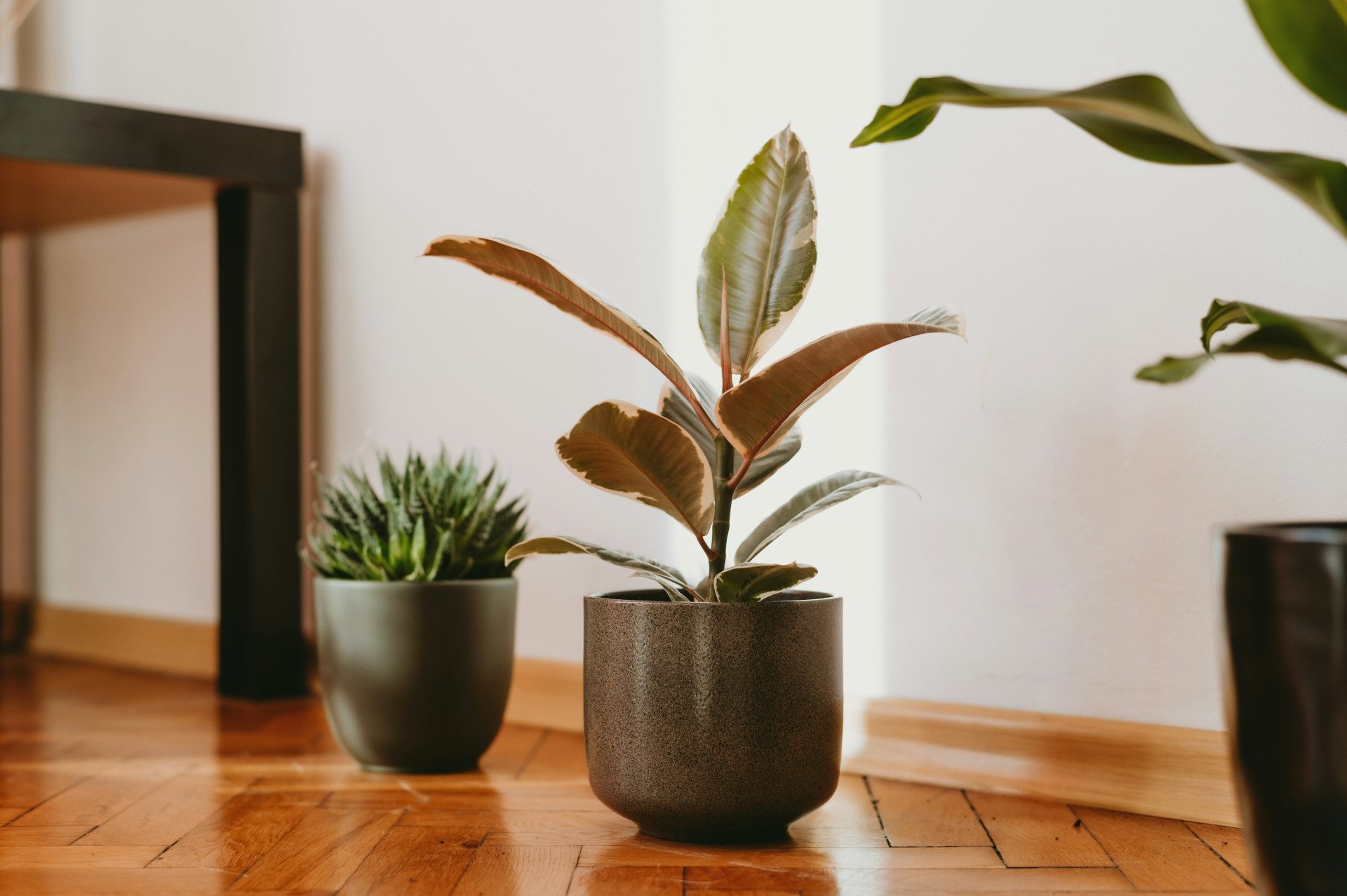
Create Your Own Terrarium – Small Green Works of Art for Your Home
A terrarium is like a tiny piece of nature captured in glass – a living artwork that brings calm, greenery, and beauty into your home. It doesn’t take much space or gardening experience, and you can make one in an afternoon. Here’s a guide to creating a terrarium that thrives and adds a touch of natural charm to your décor.
What Is a Terrarium?
A terrarium is a miniature garden inside a glass container, either open or closed. It functions as a small ecosystem where plants, soil, and moisture work together in balance. In a closed terrarium, water recycles through evaporation and condensation, while an open terrarium needs a bit more care and watering.
Terrariums can be made in anything from large glass jars to small candle holders – your imagination sets the limits. They’re perfect for windowsills, desks, or as a green centerpiece on your coffee table.
Choose the Right Container
Start by picking a container that fits your style and the plants you want to use. You can choose:
- Closed glass containers with lids – ideal for moisture-loving plants like mosses, ferns, and small tropical species.
- Open glass containers – great for succulents and cacti that prefer dry conditions.
- Repurposed glassware – old mason jars, fishbowls, or vases can easily become beautiful terrariums.
Make sure the glass is clean and clear so you can see the layers and enjoy watching your plants grow.
Læs også:
Materials – Building in Layers
A healthy terrarium is built in layers that provide drainage, nutrients, and moisture control. You’ll need:
- Small stones or pebbles – for drainage at the bottom so roots don’t sit in water.
- Activated charcoal – a thin layer above the stones to keep the soil fresh and prevent mold.
- Potting soil – choose soil suited to your plant type. Succulents need sandy soil, while tropical plants prefer rich, moist soil.
- Plants – select small varieties that won’t outgrow the container.
- Decorations – moss, stones, driftwood, or small figurines can add personality.
Use a spoon or chopstick to gently place the plants, covering the roots without pressing too hard.
Choosing the Right Plants
Your plants should have similar needs for light and moisture. Here are some good options:
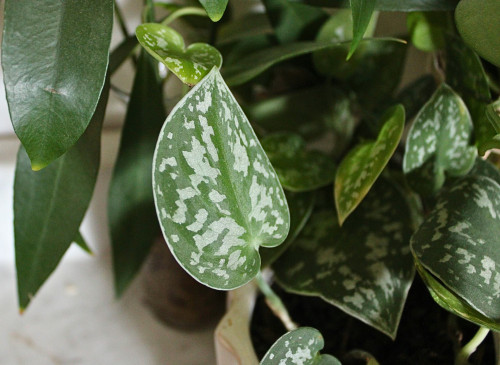
- For closed terrariums: moss, ferns, nerve plants (Fittonia), baby tears, or small orchids.
- For open terrariums: succulents, echeveria, haworthia, and small cacti.
Avoid mixing plants with very different requirements – it makes maintenance more difficult.
Care and Maintenance
Terrariums are low-maintenance, but a little attention keeps them beautiful for years.
- Watering: Closed terrariums rarely need watering – maybe once or twice a year. If too much condensation forms, open the lid briefly. Open terrariums should be watered when the soil feels dry.
- Light: Place your terrarium in bright, indirect light. Direct sunlight can overheat the glass and damage the plants.
- Trimming: Remove dead leaves and trim plants if they grow too large.
- Cleaning: Wipe the inside of the glass if algae or dirt appear.
A well-cared-for terrarium can stay green and vibrant for years – some have even survived for decades without being opened.
Make It Personal
A terrarium isn’t just a plant container – it’s a creative project. You can design themes: a forest floor with moss and stones, a desert landscape with sand and cacti, or a whimsical world with tiny figurines.
It’s also a fun activity to do with kids, teaching them about nature’s cycles while letting them create their own little ecosystem.
A Green Haven at Home
In a busy everyday life, a terrarium can serve as a small sanctuary – a place where nature finds a home within your home. It requires almost no upkeep but offers peace, beauty, and a touch of life in return.
Whether you live in an apartment or a house, a terrarium lets you bring nature closer – creating a living piece of art that grows with you.
Læs også: