How to Arrange Chairs to Encourage Conversation and Togetherness

How to Arrange Chairs to Encourage Conversation and Togetherness
Furniture placement isn’t just about style – it’s about how we connect with one another. Chairs, in particular, play a key role in shaping the atmosphere of a room. The way they’re arranged can either invite conversation and warmth or create distance and formality. With a few thoughtful adjustments, you can design spaces that naturally bring people together.
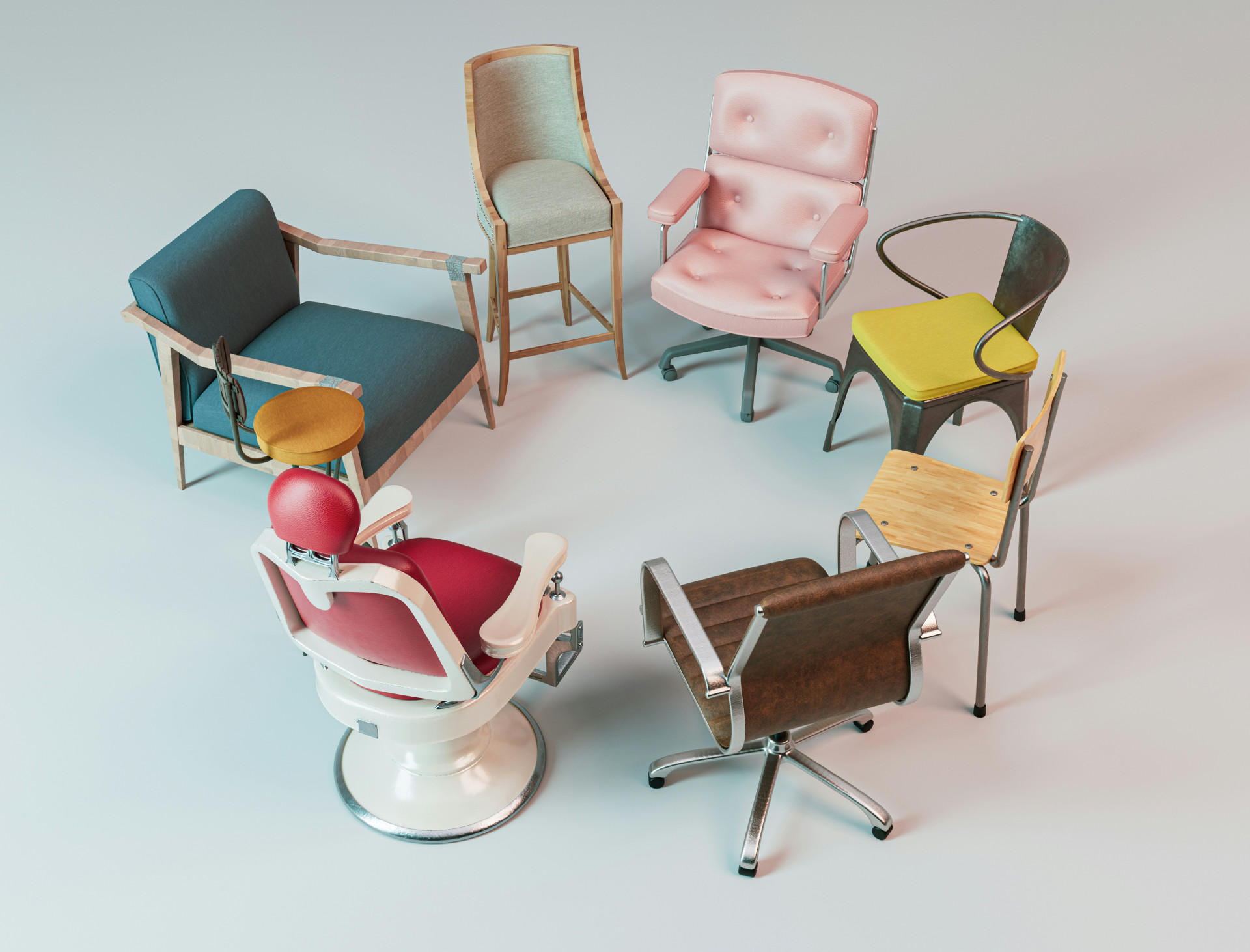
Create a Natural Circle
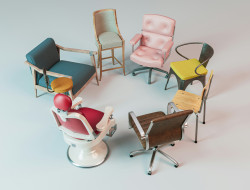
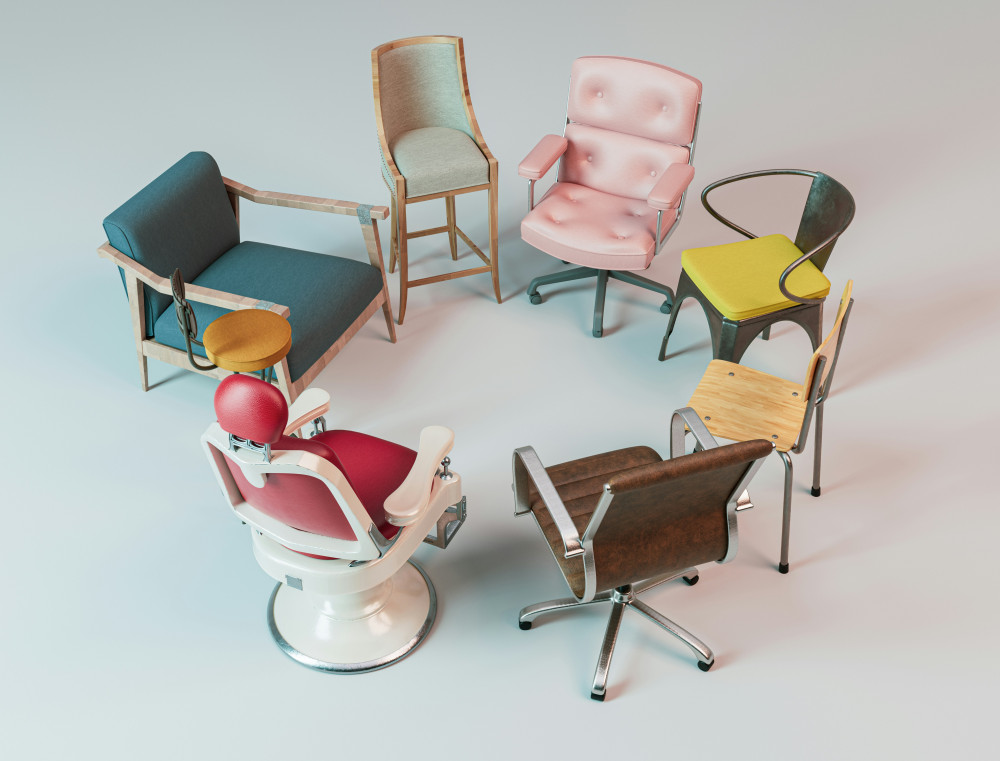
Arranging chairs in a circle or semi-circle instantly fosters a sense of inclusion. Eye contact becomes easier, and conversation flows more naturally. This works in living rooms, on patios, and even around dining tables.
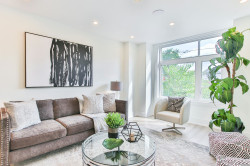
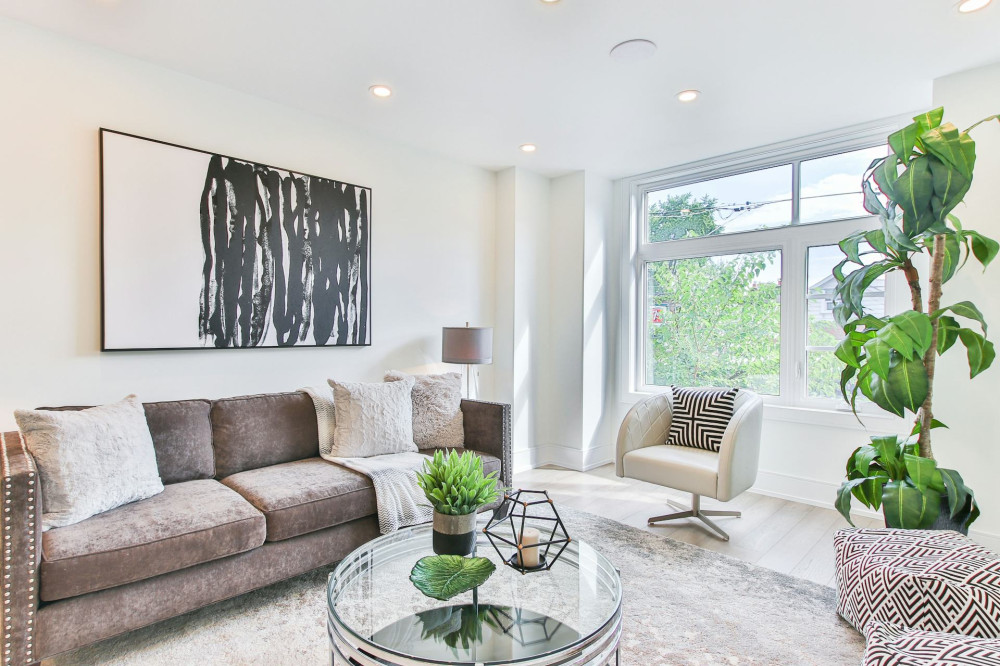
- In the living room: Position sofas and chairs so they face each other rather than the TV. A low coffee table in the center can serve as a gathering point.
- Outdoors: Place patio chairs in a loose circle around a fire pit or small table. It creates a relaxed, welcoming vibe that encourages lingering.
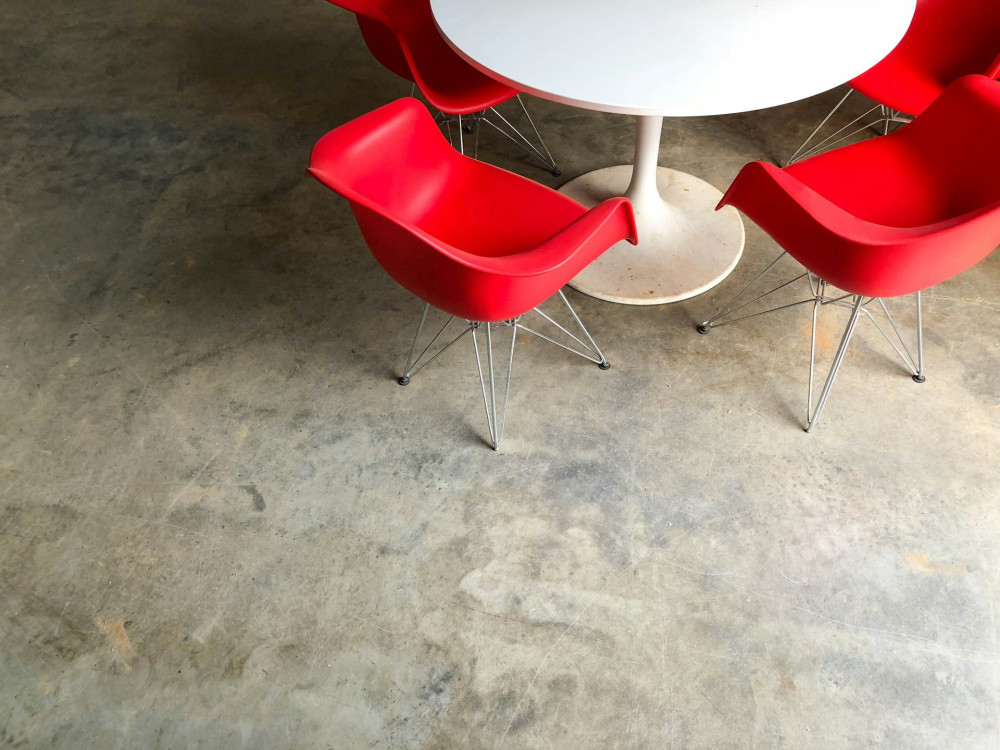
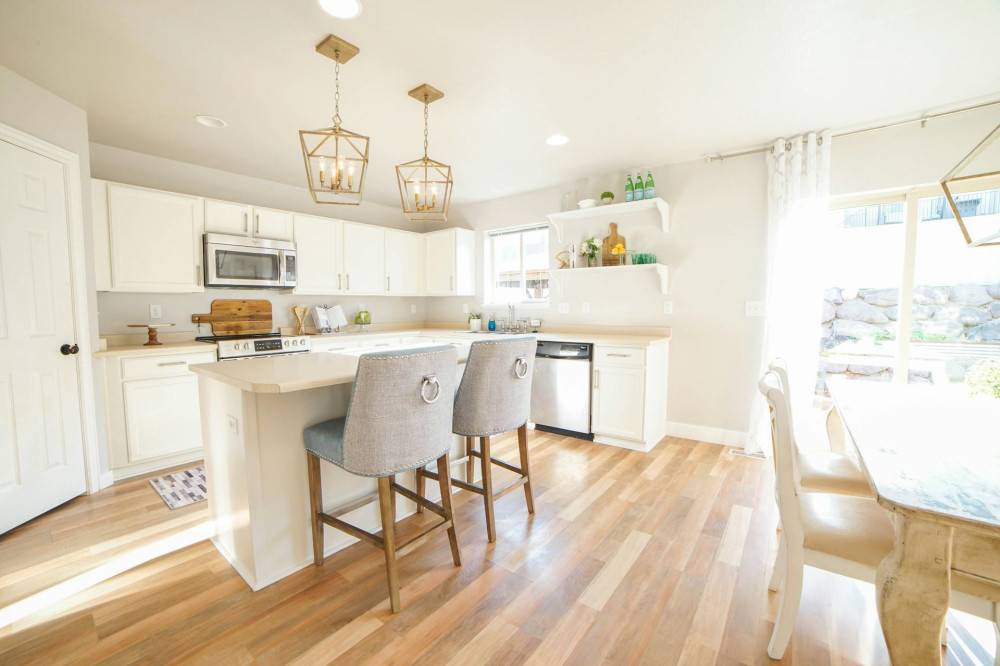
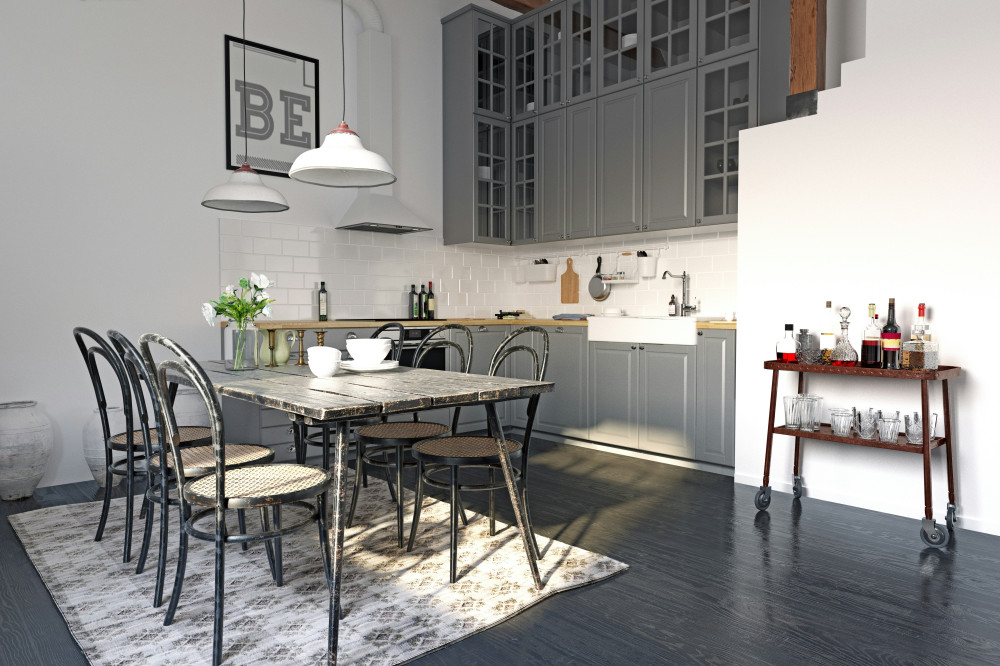
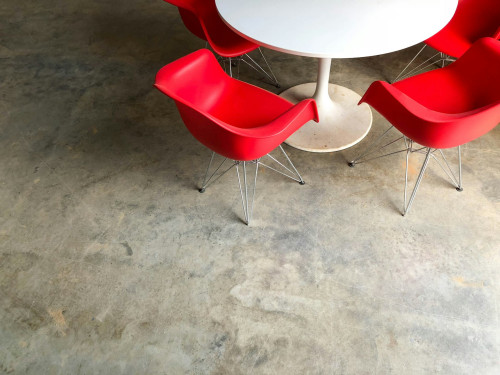
- In the dining area: Make sure everyone can see one another. Round or oval tables are especially good for conversation since no one sits at the “head” of the table.
Consider Distance and Direction
The space between chairs has a big impact on how comfortable people feel talking. Too far apart, and conversation feels strained; too close, and it can feel intrusive.
A good rule of thumb is to leave about three to five feet between chairs in a conversation area. That allows for personal space while keeping everyone connected. Also, angle chairs slightly toward each other rather than keeping them in rigid, parallel lines – it makes the setup feel more inviting.
Læs også:

Use Light to Set the Mood
Lighting shapes the mood of a room and influences how we interact. Arrange chairs to take advantage of natural light during the day, and use warm, soft lighting in the evening.
A cozy corner with a reading chair and a floor lamp can become a natural spot for quiet chats. In larger spaces, use lamps or pendant lights to define smaller “conversation zones,” where light draws people together around a table or seating group.
Design Flexible Zones
A space that encourages togetherness doesn’t have to be static. Flexibility makes it easier to adapt to different moods and gatherings. Choose lightweight chairs that can be moved easily, or swivel chairs that let people turn toward whoever is speaking.
In family rooms or open-plan spaces, consider creating several smaller seating areas instead of one large one. This allows for both group conversations and more intimate exchanges, depending on the moment.
Comfort and Materials Matter
While placement is key, comfort is what keeps people sitting – and talking – longer. A comfortable chair with good support, soft materials, and armrests makes a big difference.
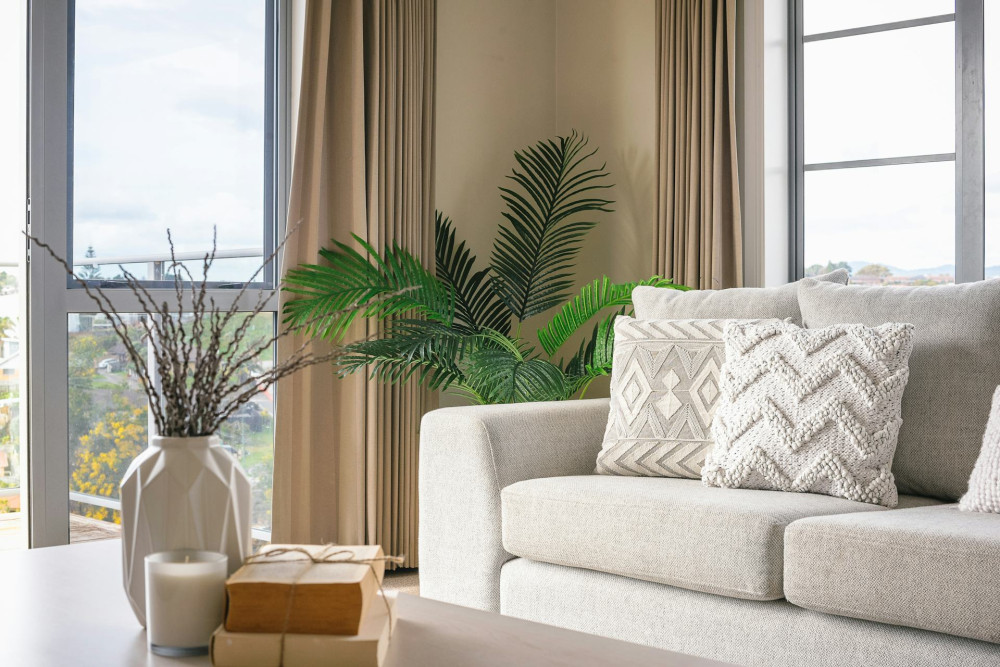
Think about acoustics, too. Upholstered chairs, rugs, and curtains help absorb sound, making it easier to hear one another, especially in rooms with hardwood floors or high ceilings.
Leave Room for Movement and Pause
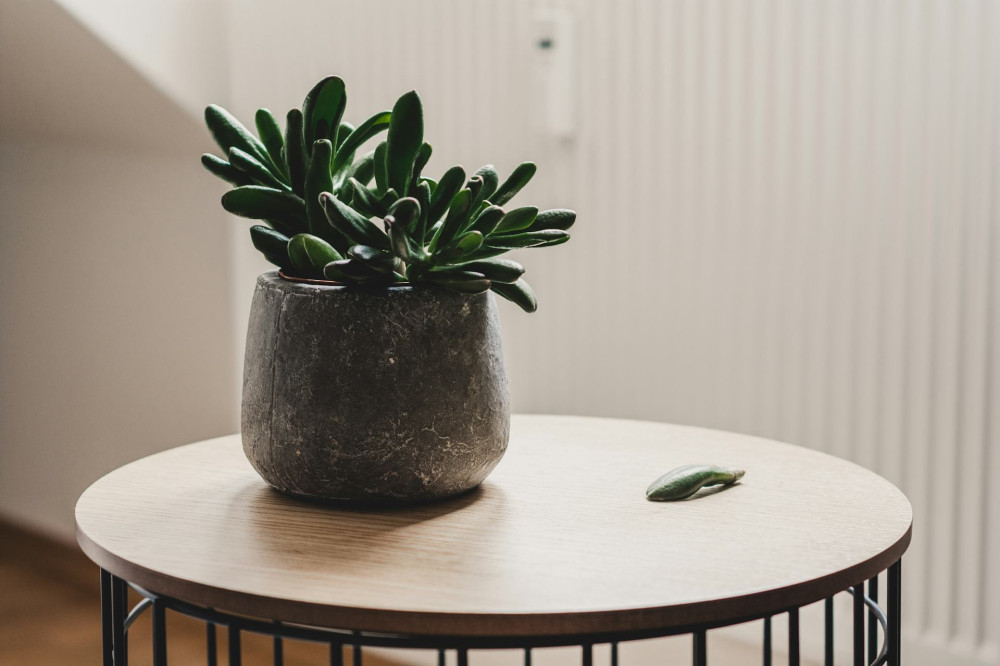
Conversation doesn’t always happen while sitting still. Sometimes the best talks happen when people can get up, grab a drink, or move around a bit. Make sure chairs aren’t packed too tightly, and include natural “breaks” in the layout – a side table, a plant, or a window view can all provide gentle pauses in the flow of interaction.
Togetherness Starts with Intentional Design
When you arrange your chairs with care, you’re doing more than decorating – you’re creating the conditions for connection. Think in circles rather than lines, in light rather than shadow, and in flexibility rather than rigidity. Small changes in how you place your chairs can make a big difference in how people gather, talk, and feel at home together.
Læs også: