Armrests with Purpose: Extra Support in Multifunctional Spaces

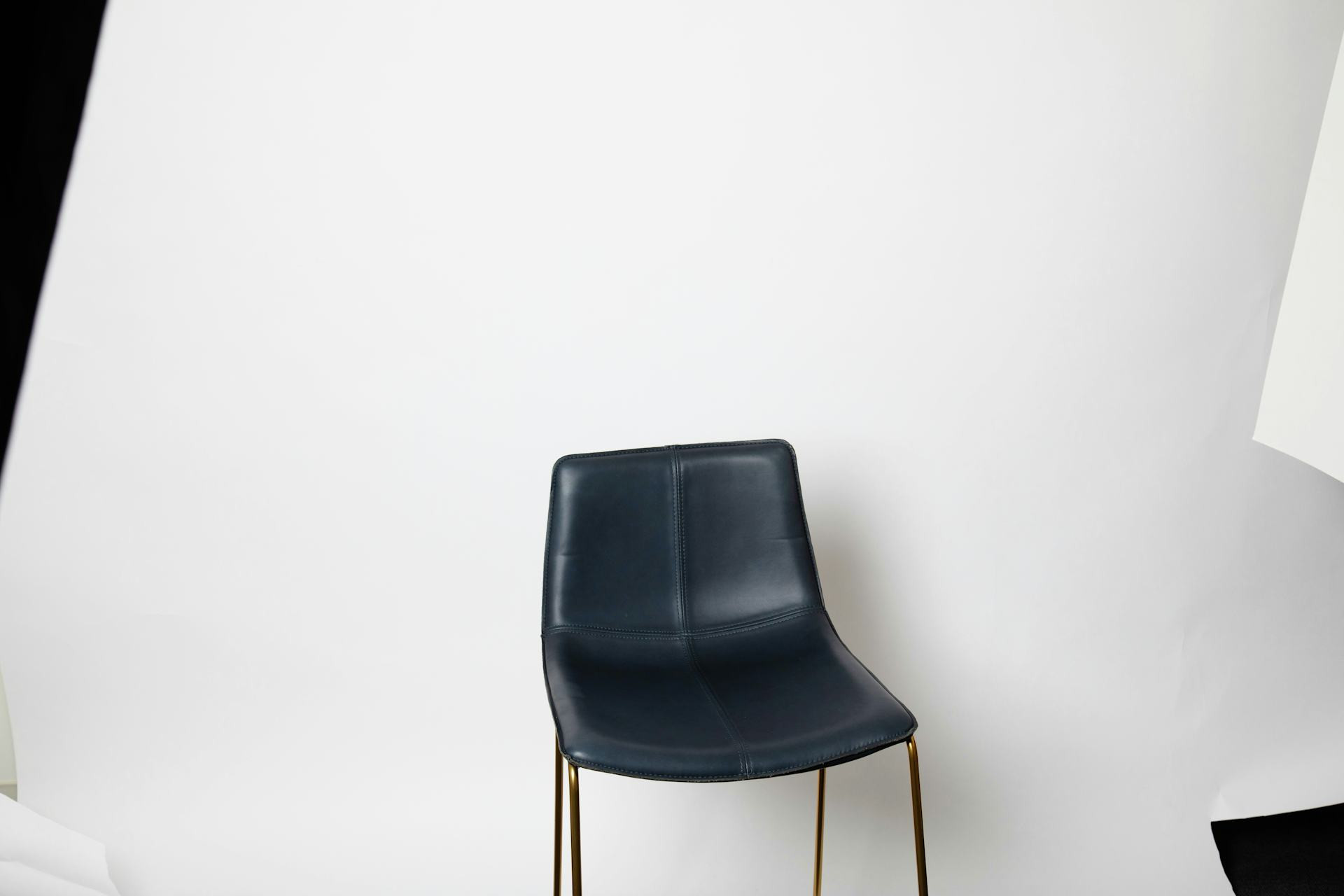
Armrests with Purpose: Extra Support in Multifunctional Spaces
As American homes and workplaces become more adaptable, furniture is expected to do more than ever before. The sofa doubles as a workspace, the dining chair becomes a conference seat, and the lounge chair must accommodate both relaxation and focus. In this shift toward multifunctionality, the armrest plays a surprisingly central role — offering ergonomic support, visual balance, and a subtle way to define how we use our spaces.
The Armrest as an Ergonomic Anchor
A well-designed armrest is about more than comfort. It’s a key part of an ergonomic system that relieves pressure on the shoulders, neck, and back. Whether we’re typing, reading, or eating, our arms need support so the rest of the body can relax. Properly positioned armrests can reduce tension and fatigue — especially in spaces where we spend long hours.
In multifunctional environments, this support becomes even more essential. A chair that serves both as a dining seat and a home office chair should provide stability without restricting movement. The goal is balance: enough freedom to shift positions, but enough structure to maintain comfort and posture.
Design That Adapts to the User
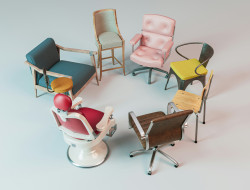
Contemporary furniture design in the U.S. is moving away from static forms toward flexibility. Armrests can now be adjusted, tilted, or even removed entirely, depending on the activity. This adaptability allows one piece of furniture to serve multiple users and purposes — from focused work to casual lounging.
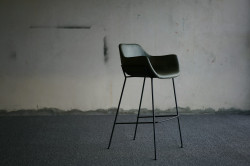
Material choice also shapes the experience. Soft fabrics and rounded edges convey comfort and calm, while wood and metal add structure and character. In many modern designs, the armrest becomes a visual signature — a detail that ties the piece together and gives it identity within a room.
Armrests as Space-Makers
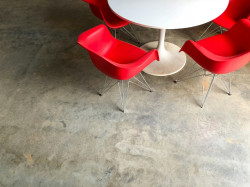
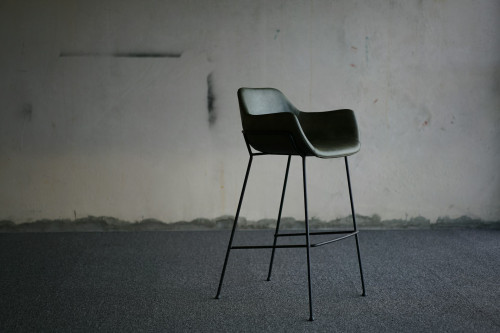
In open-plan homes and offices, armrests do more than support the body; they help define space. A pronounced armrest can mark the boundary of a seating area, create a sense of privacy, or invite conversation. In this way, the armrest acts as a miniature architectural element — a small design feature that influences how we move and interact.
In coworking spaces or hybrid offices, armrests often help create microzones where people can retreat briefly without isolating themselves. At home, a wide armrest can double as a convenient surface for a coffee cup, a book, or even a laptop — a natural extension of everyday life.
Sustainability and Longevity
When furniture is designed for multiple uses, durability becomes crucial. Armrests are often the first part to show wear, so material strength and surface treatment matter. Many American manufacturers are now exploring replaceable or repairable components, allowing armrests to be refreshed without discarding the entire piece.
This approach aligns with a broader movement toward sustainable design, where flexibility and longevity go hand in hand. An armrest with purpose is not just about comfort — it’s also about responsibility and mindful consumption.
Læs også:

When Support Becomes Part of the Aesthetic
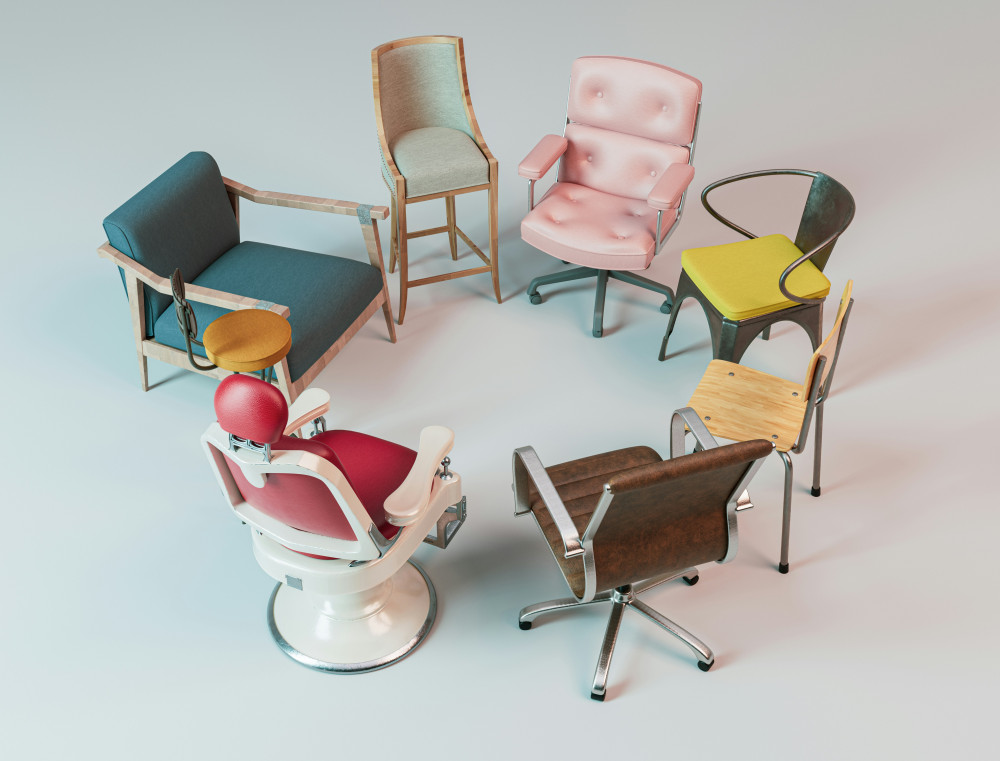
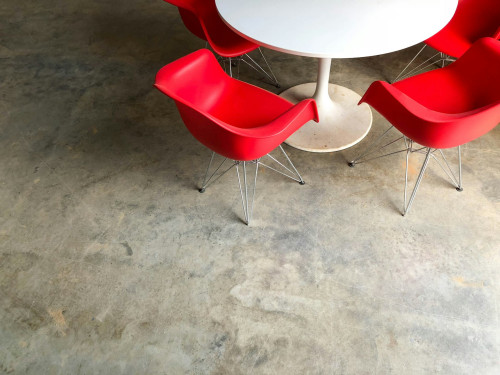
Today, the armrest is no longer a hidden functional detail but an integral part of a piece’s visual identity. It might take the form of a sculptural curve, a contrasting color, or a bold material choice that sets the tone for the entire design. In this way, the armrest becomes both practical and expressive — a point where function meets form.
In multifunctional spaces, where the boundaries between work, leisure, and social life blur, this dual role is what makes the armrest so compelling. It provides support, structure, and character — reminding us that even the smallest design details can have a big impact on how we live and feel in our surroundings.
Læs også: