Combine Small Tables into Your Personal Side Table

Combine Small Tables into Your Personal Side Table
A side table is one of the most versatile pieces of furniture in any home — it can hold your morning coffee by the sofa, serve as a nightstand in the bedroom, or display a favorite plant in the entryway. But instead of buying a single ready-made table, you can create your own unique setup by combining several small tables. This approach adds flexibility, personality, and the freedom to adapt your space as your needs and style evolve.
Create Visual Interest with Different Heights and Shapes
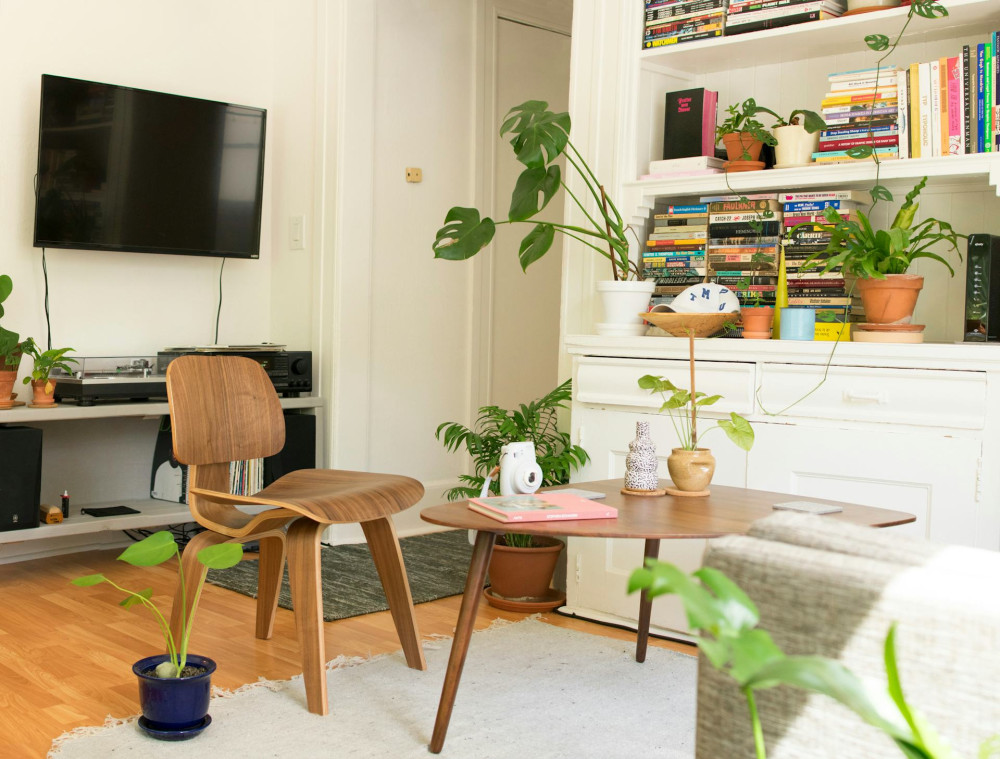
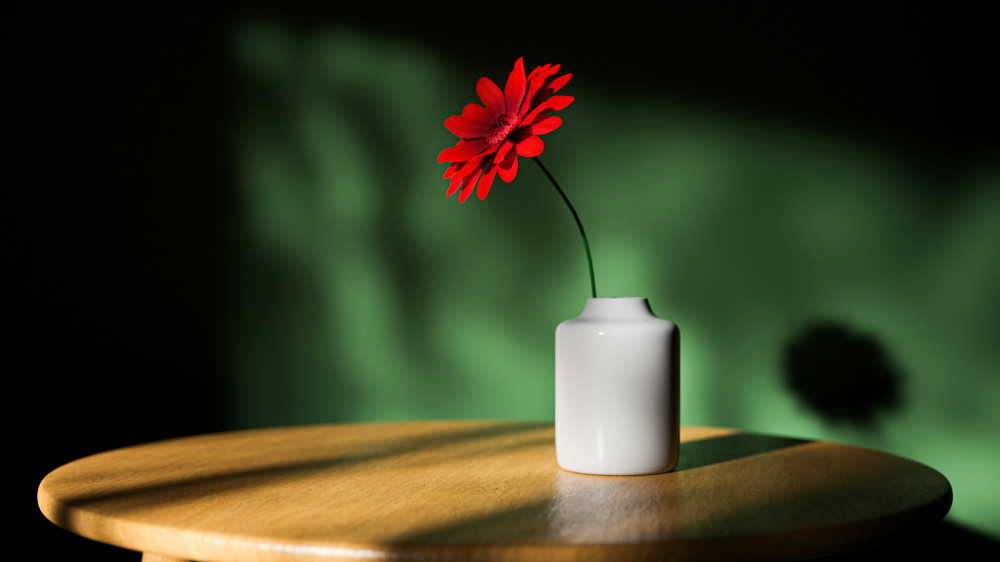
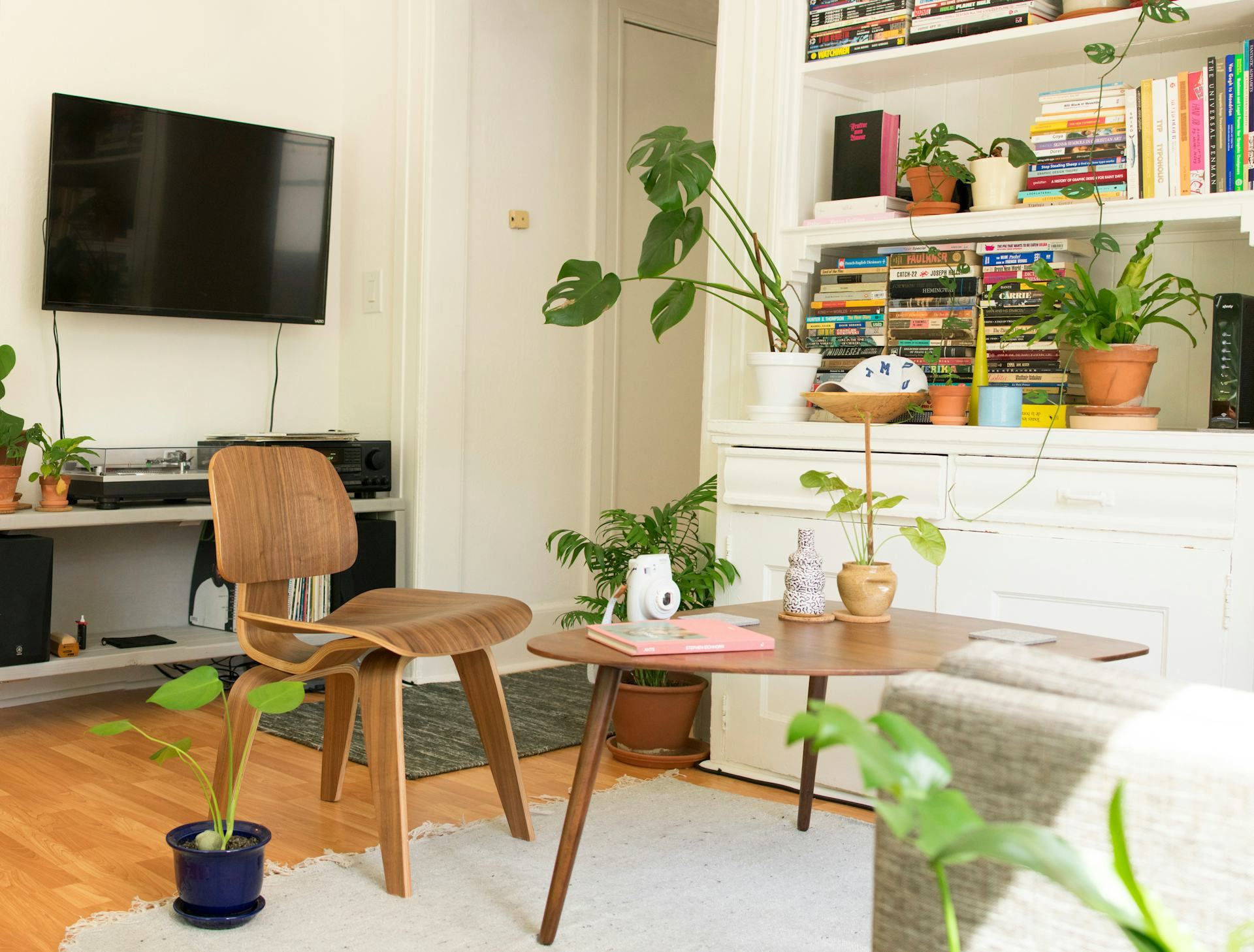
When combining small tables, variety is key. Choose tables in different heights, shapes, and materials to create a dynamic and layered look. A round table paired with a square one, or a low table next to a taller one, naturally draws the eye and adds depth to your space.
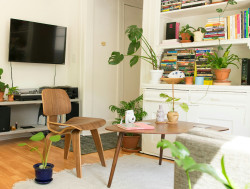
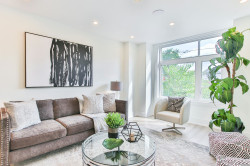
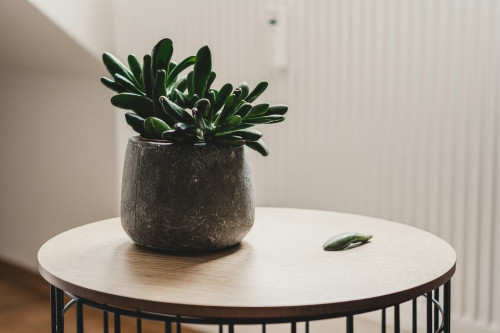
For example, you might start with a sturdy wooden table as your base and add a smaller metal or glass table beside it. The mix of materials and levels gives your arrangement both function and character — perfect for modern American interiors that value individuality and comfort.
Play with Materials and Colors
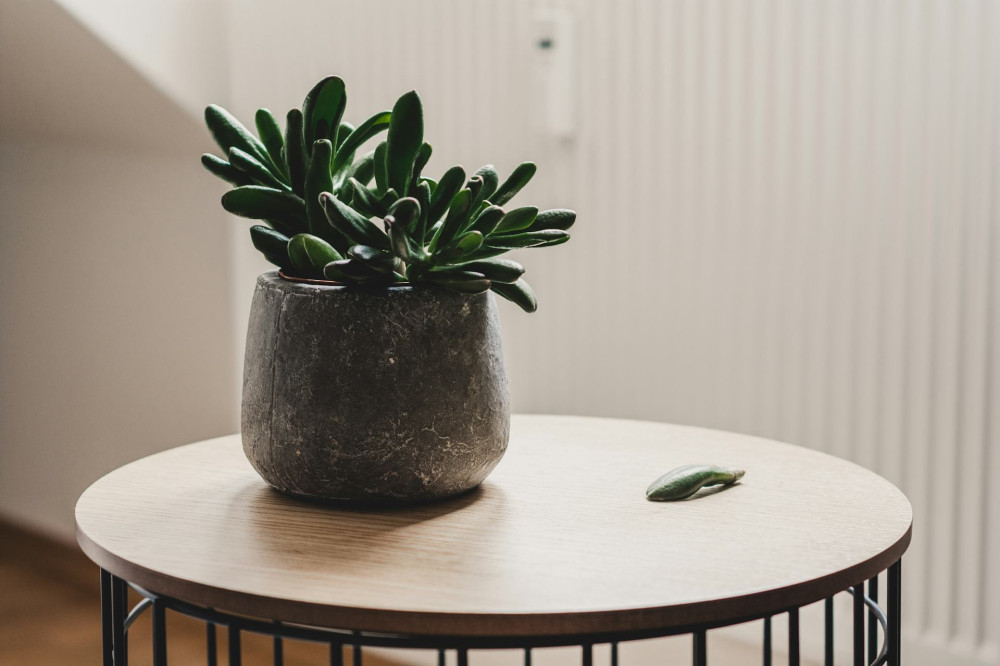
Materials have a big impact on the overall feel of your side table setup. Mixing textures can create contrast and balance. Try pairing warm materials like oak, walnut, or rattan with cooler ones such as glass, marble, or steel. The combination adds richness and keeps the look from feeling flat.
Color is another way to express your style. Neutral tones like white, beige, and natural wood create a calm, timeless look, while bold colors can serve as accents that bring energy to the room. To keep things cohesive, echo the colors of your tables in nearby décor — throw pillows, rugs, or wall art.
Everyday Flexibility
One of the biggest advantages of combining small tables is how easily you can rearrange them. Need extra space for guests? Move one of the tables closer to the sofa or a reading chair. Want to open up the room? Stack or nest them, or use one in another area of the house.
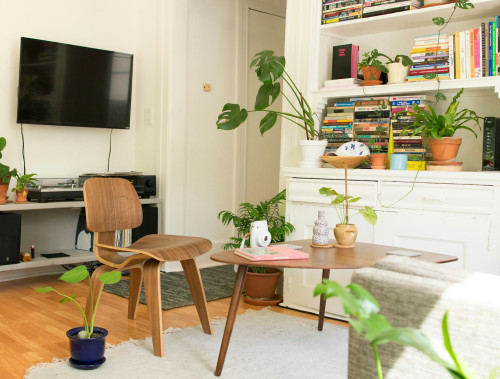
This flexibility makes the idea especially appealing for apartments, condos, or smaller homes where furniture often needs to serve multiple purposes. One table can double as a plant stand, another as a laptop station, and together they form a cohesive, functional setup.
Finding the Right Balance
While variety adds interest, balance keeps the look intentional. Too many different styles can feel cluttered. A good rule of thumb is to choose one unifying element — such as a shared color palette, similar leg design, or matching material — to tie the tables together.
Arrange the tables so they form a natural grouping. A triangular layout, with one table centered and two slightly offset, creates harmony and makes everything within easy reach. Also, consider scale: your tables should complement the surrounding furniture without overpowering it.
Læs også:
Add Personality with Décor
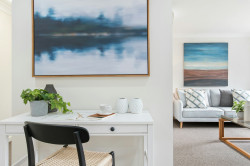
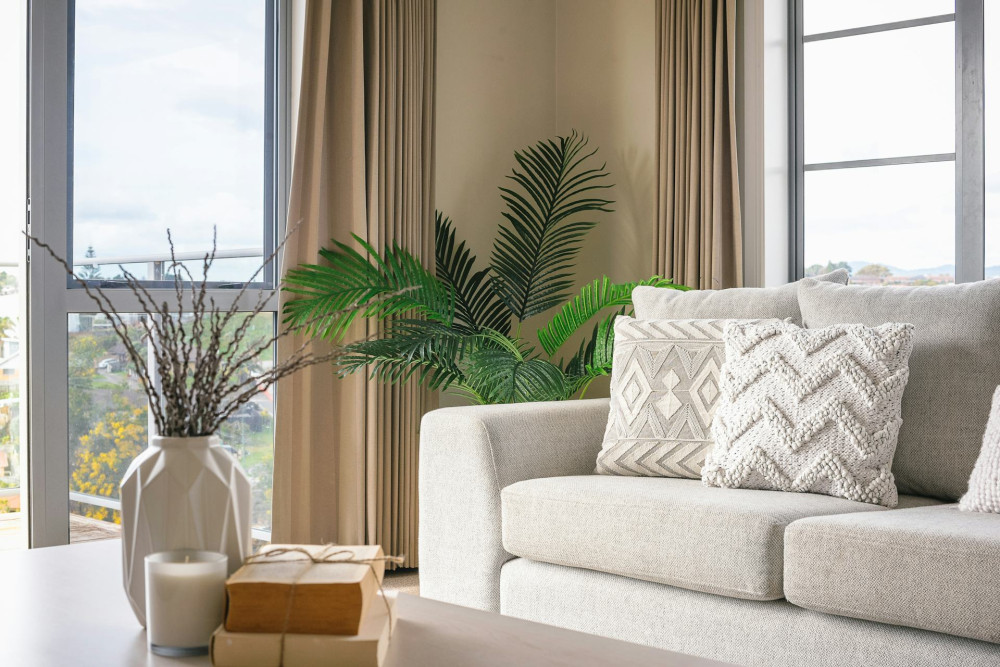
Once you’ve found the right combination, personalize your side table with thoughtful décor. A small vase of fresh flowers, a stack of books, or a scented candle can add warmth and character. Vary the height and shape of your decorative items to echo the layered look of your tables.
If you prefer a minimalist style, keep the surface clean with just one or two carefully chosen pieces. The goal is to make the arrangement feel like an extension of your personality and lifestyle.
A Side Table That Grows with You
Combining small tables isn’t just a design choice — it’s a practical and sustainable way to furnish your home. You can swap out or add new tables over time as your taste or needs change. In doing so, you create a side table setup that evolves with you, offering both beauty and flexibility for years to come.
Læs også: