Glossy or Matte? How the Surface Affects the Play of Light on Your Table

Glossy or Matte? How the Surface Affects the Play of Light on Your Table
When choosing a new table for your home, the decision isn’t just about shape, color, or material—it’s also about the finish. A glossy surface reflects light and adds vibrancy, while a matte finish creates a calm, understated look. The sheen of your table affects not only the mood of a room but also its functionality and maintenance. Here’s how to decide which finish best fits your home and lifestyle.
The Role of Light in Your Space
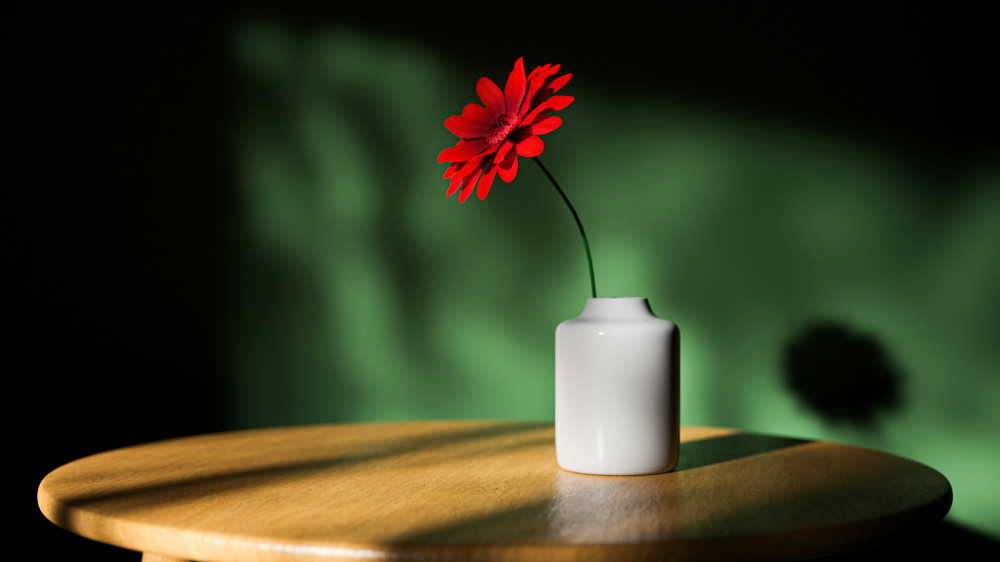
Light is one of the most powerful design tools in any room. It shapes atmosphere, highlights colors, and influences how we perceive materials. A glossy table reflects light, making a space feel brighter and more open—an advantage in smaller rooms or areas with limited natural light.
In contrast, a matte surface absorbs light, creating a softer, more balanced look. This can be ideal in dining rooms or home offices, where glare from overhead lighting or sunlight might otherwise be distracting.
Glossy: Energy and Elegance
A glossy table—whether it’s lacquered wood, glass, or high-gloss laminate—adds a touch of sophistication. The reflective surface catches sunlight and artificial light alike, giving the room a sense of energy and luxury.
However, there are practical considerations. While the smooth surface is easy to wipe clean, it also tends to show fingerprints, dust, and scratches more easily. If you have kids or use the table daily, you may need to clean it more often to maintain that polished look.
Glossy finishes work beautifully in modern or contemporary interiors, where clean lines and light play are part of the design aesthetic.
Matte: Warmth, Texture, and Tranquility
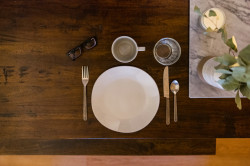
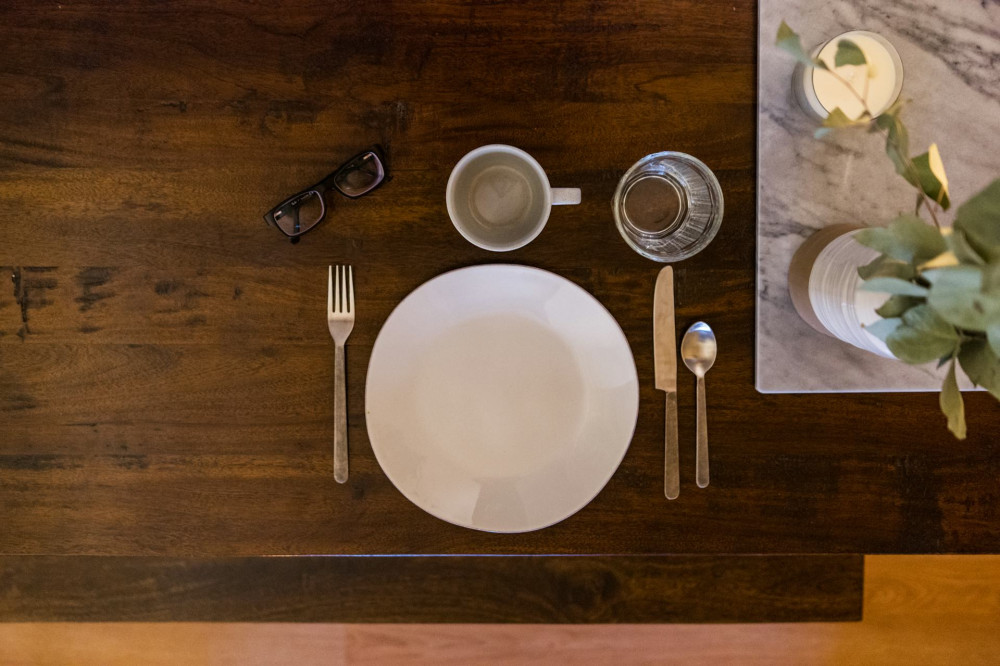
Matte finishes have become increasingly popular in recent years—and for good reason. They offer a more natural, tactile appearance that highlights the texture of the material itself. A matte wood or stone table can bring warmth and authenticity to a space, creating a cozy, grounded atmosphere.
Matte surfaces also tend to hide small scratches and fingerprints better than glossy ones, making them practical for everyday use, especially in busy households. On the downside, they can be more susceptible to stains from liquids or oils, since they lack the protective coating of a glossy finish. Depending on the material, they may require gentler cleaning or occasional treatment with oil or wax.
Læs også:
Mixing Glossy and Matte
You don’t have to choose one or the other. Many modern designs combine glossy and matte elements to create contrast and visual interest. A table with a matte top and glossy legs—or vice versa—can strike a stylish balance without overwhelming the space.
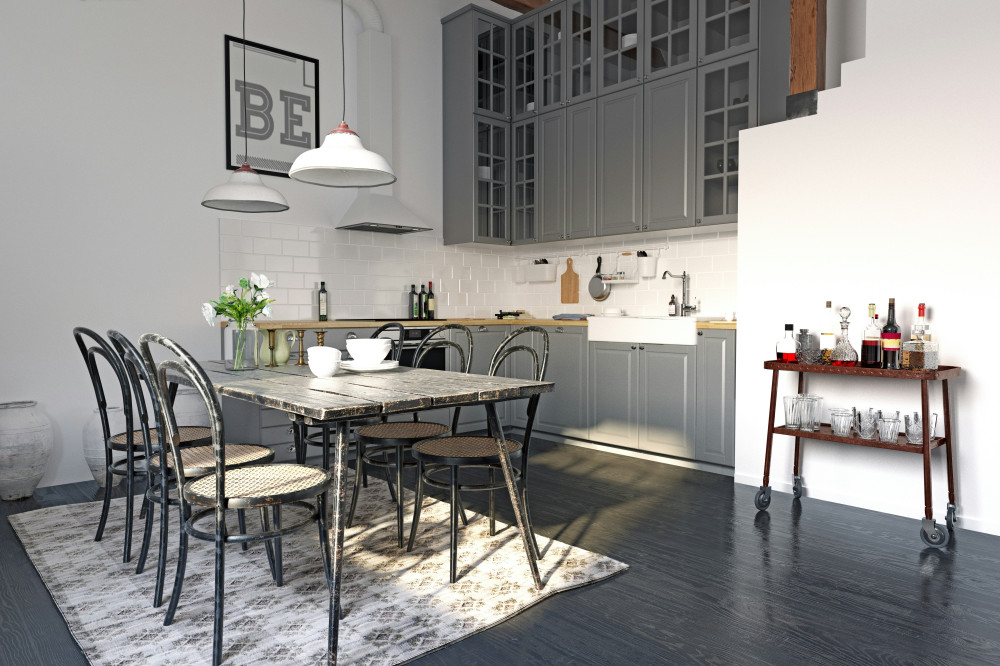
You can also play with lighting to enhance the effect. A matte surface can come alive under a warm pendant light, while a glossy table can be softened with placemats, a runner, or textured décor that breaks up reflections.
How to Choose the Right Finish
When deciding between glossy and matte, consider the following:
- Lighting conditions: Glossy finishes can brighten darker rooms, while matte surfaces work well in spaces with plenty of natural light.
- Usage and wear: For tables that see heavy daily use, matte finishes often hide wear and tear better.
- Style and mood: Choose glossy for a sleek, modern look, or matte for a relaxed, organic feel.
- Maintenance: Think about how much time you’re willing to spend cleaning and maintaining the surface.
Ultimately, the best choice is the one that fits your lifestyle—both visually and practically.
Light as Part of the Design
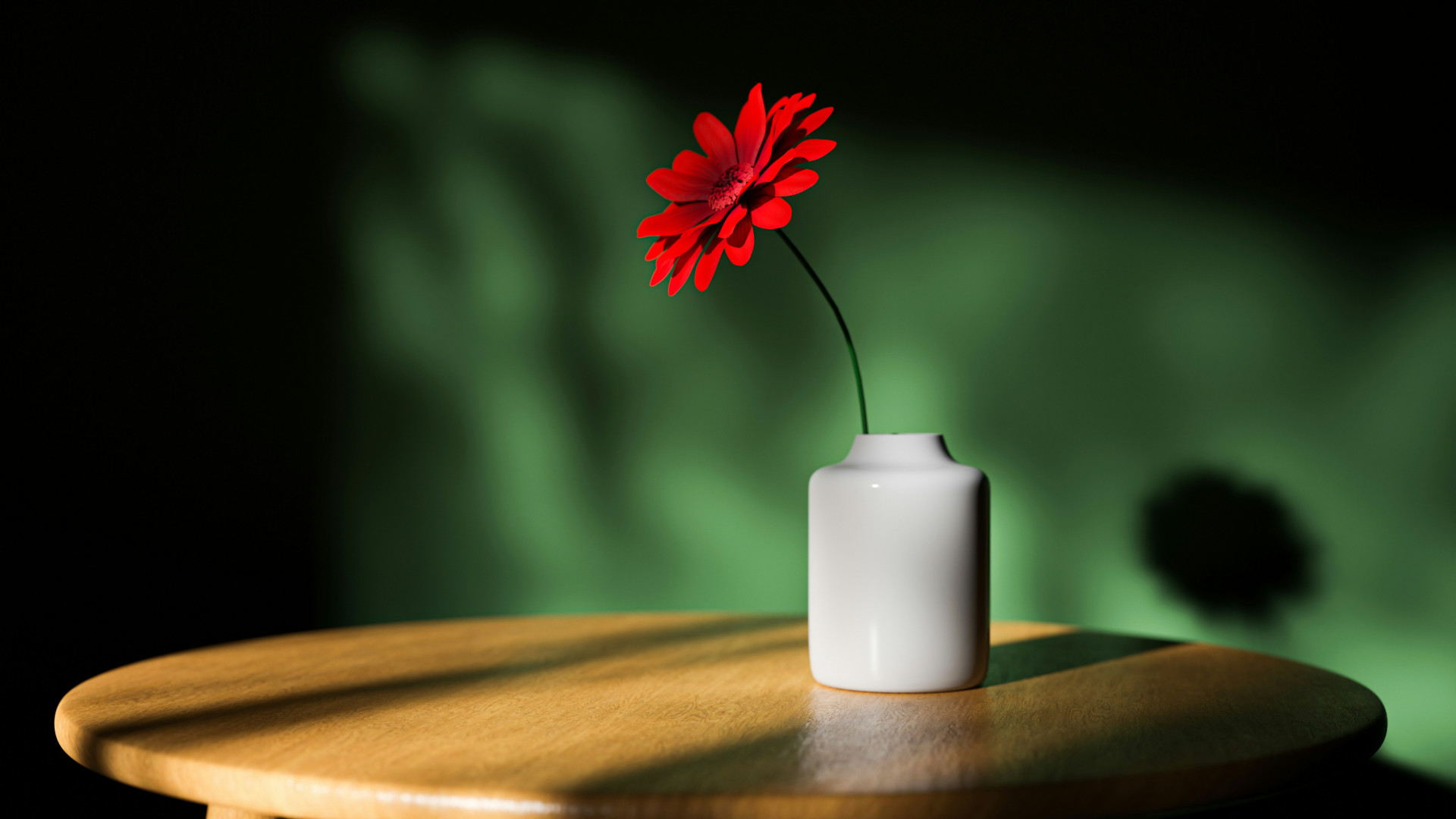
No matter which finish you choose, pay attention to how light interacts with your table throughout the day. A table near a window will look different in morning sunlight than under evening lamplight, and the surface will shift in character as the light changes.
By experimenting with placement, lighting, and surrounding textures, you can highlight your table’s best features and create the exact atmosphere you want. Light isn’t just something that falls on your table—it’s an active part of your home’s design story.
Læs også: