First aid for interior design: How to get started
This e-book gives you a basic introduction to interior design, from finding your style to choosing the right furniture. With easy-to-understand tips and examples, you will be equipped to create a home you love to be in.
Grab the e-book now

Range Hood Capacity: Why It’s Crucial for Efficiency

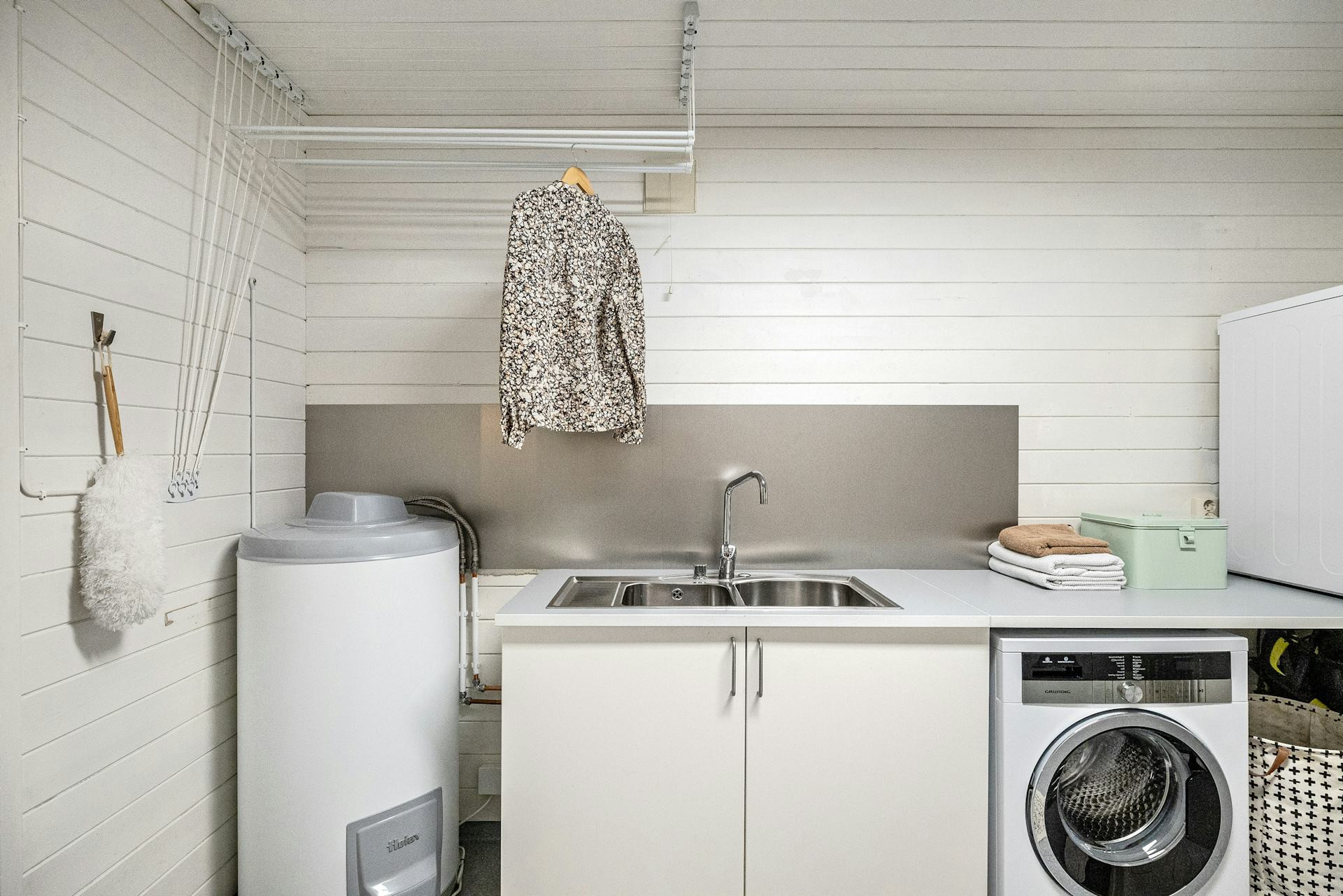
Discover why the right range hood capacity makes all the difference in kitchen performance
Appliances
Appliances
4 min
The efficiency of your range hood depends on more than just its design or brand. Learn how choosing the correct capacity ensures cleaner air, better ventilation, and a more comfortable cooking environment.
Serenity Diaz
Serenity
Diaz

Range Hood Capacity: Why It’s Crucial for Efficiency

Discover why the right range hood capacity makes all the difference in kitchen performance
Appliances
Appliances
4 min
The efficiency of your range hood depends on more than just its design or brand. Learn how choosing the correct capacity ensures cleaner air, better ventilation, and a more comfortable cooking environment.
Serenity Diaz
Serenity
Diaz

A range hood is an essential part of any modern kitchen. It removes smoke, grease, and cooking odors, keeping the air fresh and your surfaces clean. But how well it performs depends largely on its capacity—the amount of air it can move per minute. While many homeowners choose a range hood based on style or price, capacity is the key factor that determines whether it will actually do its job effectively.

What Does Range Hood Capacity Mean?

Range hood capacity is measured in cubic feet per minute (CFM). This number tells you how much air the hood can exhaust every minute. The higher the CFM, the more air it can move—and the more efficiently it can remove steam, smoke, and odors. However, bigger isn’t always better. The goal is to find the right balance between power, kitchen size, and ventilation setup.

As a general rule, your range hood should be able to exchange the air in your kitchen about 10 to 12 times per hour. For most U.S. kitchens, that translates to roughly 100 CFM for every 10,000 BTUs of your cooktop’s total output. For example, if your gas range produces 50,000 BTUs, you’ll want a hood rated at around 500 CFM.

Too Little Capacity – and You’ll Notice It

If your range hood’s capacity is too low, it won’t be able to keep up when you’re cooking. Steam, grease, and odors will linger in the air and settle on cabinets and walls, leaving a sticky film and unpleasant smells. In open-concept homes, this can spread to adjoining living areas, making the entire space feel stuffy.

A weak hood also tends to run at its highest setting more often, which increases noise and energy use without improving performance.

Too Much Capacity – Not Always Ideal Either

On the other hand, a range hood that’s too powerful can create negative pressure in your home, especially if there isn’t enough fresh air coming in. This can cause backdrafting in fireplaces or gas appliances, pulling exhaust gases back into the living space. An oversized motor can also be unnecessarily loud and energy-hungry if it can’t be adjusted properly.

That’s why it’s important to choose a model with variable speed control or automatic sensors that adjust suction based on the amount of smoke or steam.

How to Calculate the Right Capacity

Here’s a simple way to estimate the right capacity for your kitchen:

Kitchen width × length × height ÷ 4 = recommended CFM

Example: A kitchen that’s 12 ft × 15 ft with an 8 ft ceiling has a volume of 1,440 cubic feet. 1,440 ÷ 4 = 360 CFM. So, a range hood rated between 350 and 400 CFM would be a good fit.

If you have an open floor plan or cook frequently with high heat (like searing or frying), consider adding 20–30% more capacity.

Ductwork and Installation Matter

Even the best range hood can lose efficiency if the ductwork isn’t properly designed. Long or narrow ducts, sharp bends, or too many turns can significantly reduce airflow. Use the shortest, straightest duct run possible, and match the duct diameter to the hood’s outlet size—typically 6 inches or more for higher-capacity models.

If you’re using a ductless (recirculating) hood, capacity still matters, but the charcoal filters play a major role in odor removal. These filters need to be replaced regularly to maintain performance.

Noise and Energy Efficiency

Higher capacity often means more noise, but that depends on the motor’s quality and design. Many modern hoods feature sound-insulated motors or the option to mount the blower remotely—in the attic or on an exterior wall—to keep the kitchen quieter.

Energy efficiency is another factor to consider. Look for models with an ENERGY STAR® rating or efficient LED lighting. A well-designed hood with strong airflow and low energy consumption is a smart long-term investment.

Choose Based on Your Needs – Not Just Looks

Design is important, but it shouldn’t be the only consideration. A stylish hood that can’t handle your cooking habits will quickly become a frustration. Ask yourself:

  • How large is your kitchen, and is it open to other rooms?
  • How often and what type of cooking do you do?
  • Do you have the option for exterior venting, or do you need a recirculating model?
  • How sensitive are you to noise levels?

Once you know the answers, you can choose a hood that fits both your home and your lifestyle.

A Properly Sized Range Hood Improves Indoor Air Quality

A well-sized range hood does more than remove cooking odors—it contributes to a healthier indoor environment. It reduces moisture, prevents grease buildup, and helps protect your home from mold and lingering smells. That’s why capacity isn’t just a technical detail—it’s a crucial factor for comfort, cleanliness, and overall kitchen efficiency.

Small Changes, Big Impact: Everyday Energy Savings
Simple steps to lower your bills and live more sustainably
Appliances
Appliances
Energy Efficiency
Home Improvement
Sustainability
Eco Living
Money Saving Tips
2 min
Discover how small, everyday changes in your home can lead to significant energy savings. From mindful habits to smart appliances, learn practical ways to reduce costs and protect the environment—without compromising comfort.
Nolan Evans
Nolan
Evans
Range Hood Capacity: Why It’s Crucial for Efficiency
Discover why the right range hood capacity makes all the difference in kitchen performance
Appliances
Appliances
Range Hood
Kitchen Ventilation
Home Improvement
Indoor Air Quality
Energy Efficiency
4 min
The efficiency of your range hood depends on more than just its design or brand. Learn how choosing the correct capacity ensures cleaner air, better ventilation, and a more comfortable cooking environment.
Serenity Diaz
Serenity
Diaz
Use Your Oven’s Features Smartly – Save Time with Timer and Preheating Functions
Make everyday cooking easier by mastering your oven’s smart functions
Appliances
Appliances
Cooking Tips
Kitchen Appliances
Home Efficiency
Smart Cooking
Time Saving
4 min
Discover how to save time and energy by using your oven’s timer, preheating, and other built-in features. Learn simple ways to cook more efficiently, reduce stress, and get perfect results every time.
Isaiah Johnson
Isaiah
Johnson
Remotely Control Your Appliances and Reduce Energy Consumption
Take control of your home’s energy use with smart, connected technology
Appliances
Appliances
Smart Home
Energy Efficiency
Home Automation
Technology
Sustainability
7 min
Discover how remote control of your household appliances can make daily life easier and more sustainable. Learn how smart devices help you monitor, schedule, and reduce energy consumption—all from your smartphone.
Adeline Ramirez
Adeline
Ramirez
Protect Your Clothes – Follow the Care Instructions and Prevent Wear and Tear
Keep your favorite garments looking new by learning how to care for them the right way
Appliances
Appliances
Clothing Care
Laundry Tips
Sustainable Fashion
Fabric Maintenance
Wardrobe Care
2 min
Discover how simple laundry habits and attention to care labels can make your clothes last longer. Learn to read the symbols, choose the right wash cycle, and adopt sustainable routines that protect both your wardrobe and the environment.
Elijah Scott
Elijah
Scott
Create a Kitchen That Inspires Joyful Cooking and Creative Expression
Turn your kitchen into a space that fuels creativity, comfort, and the joy of cooking
Trends
Trends
Kitchen Design
Home Decor
Interior Inspiration
Cooking
Creative Living
5 min
Discover how thoughtful design, color, and personal touches can transform your kitchen into a place that inspires joyful cooking and self-expression. From layout and lighting to materials and mood, learn how to create a kitchen that feels both functional and full of heart.
Nolan Evans
Nolan
Evans
Refresh Your Walls: Should You Choose Paint, Wallpaper, or Paneling?
Transform your home’s atmosphere with the right wall finish
Trends
Trends
Interior Design
Home Decor
Wall Ideas
Renovation
DIY
6 min
Ready to give your walls a makeover? Discover the pros and cons of paint, wallpaper, and paneling to find the perfect match for your style, budget, and maintenance needs. Learn how each option can redefine your space and express your personality.
Serenity Diaz
Serenity
Diaz
How Colors Affect the Perception of a Room’s Size and Shape
Use color strategically to transform how your rooms look and feel
Trends
Trends
Interior Design
Color Psychology
Home Decor
Space Perception
Design Tips
7 min
Discover how different colors can visually expand or shrink a room, alter its proportions, and influence the overall mood. Learn how to apply color theory to create spaces that feel balanced, inviting, and perfectly suited to your home’s character.
Isaiah Johnson
Isaiah
Johnson
Connect the Rooms with Colors and Materials
Create harmony and flow throughout your home with thoughtful color and material choices
Trends
Trends
Interior Design
Home Decor
Color Palette
Materials
Styling
2 min
Discover how to make every room feel connected while keeping its unique character. Learn to use colors, materials, and textures as unifying elements that bring balance, rhythm, and personality to your home’s design.
Adeline Ramirez
Adeline
Ramirez
Cleaning and Maintenance of Wooden Furniture – How to Do It
Keep your wooden furniture beautiful and long-lasting with the right care
Trends
Trends
Wooden Furniture
Home Care
Interior Design
Furniture Maintenance
Cleaning Tips
7 min
Learn how to clean, protect, and maintain your wooden furniture to preserve its natural charm and durability. From daily cleaning to treating different finishes, this guide helps you keep every piece looking its best for years to come.
Elijah Scott
Elijah
Scott
Sustainable Table Care: When Aesthetics and Responsibility Go Hand in Hand
Discover how thoughtful design and sustainable choices can transform your dining experience
Table
Table
Sustainable Living
Table Setting
Home Decor
Eco Design
Mindful Dining
3 min
Explore the art of setting a table that reflects both beauty and environmental awareness. Learn how to choose materials, care for your tableware, and create meaningful dining moments that respect the planet.
Nolan Evans
Nolan
Evans
Create Dynamic Appeal with Contrasts Between the Table and Its Surroundings
Make your table the focal point by balancing bold contrasts with cohesive design
Table
Table
Interior Design
Dining Room
Home Decor
Furniture Styling
Color Contrast
6 min
Discover how to create a dynamic and inviting atmosphere by contrasting your table with its surroundings. Learn how color, materials, shape, and lighting can work together to highlight your table’s character while maintaining harmony in the room.
Serenity Diaz
Serenity
Diaz