1970s Sofas Make a Comeback in Today’s Homes

1970s Sofas Make a Comeback in Today’s Homes
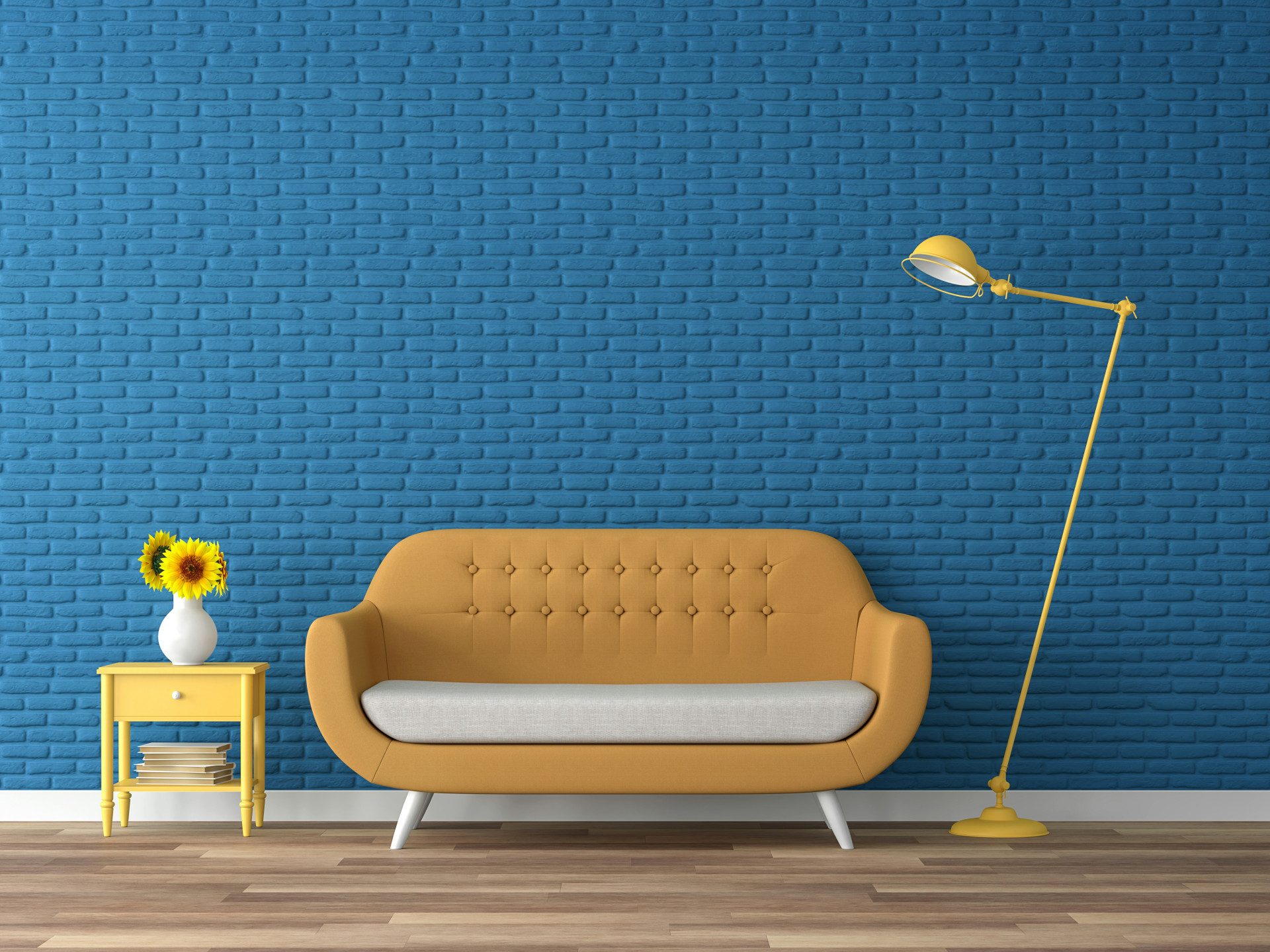
Soft curves, warm tones, and a touch of nostalgia — 1970s sofas are finding their way back into American living rooms. After years of sleek minimalism and neutral palettes, many homeowners are craving comfort, personality, and a sense of history. The sofa, once the heart of the home in the ’70s, is reclaiming its place as both a visual centerpiece and a cozy gathering spot.
From Clean Lines to Cozy Curves
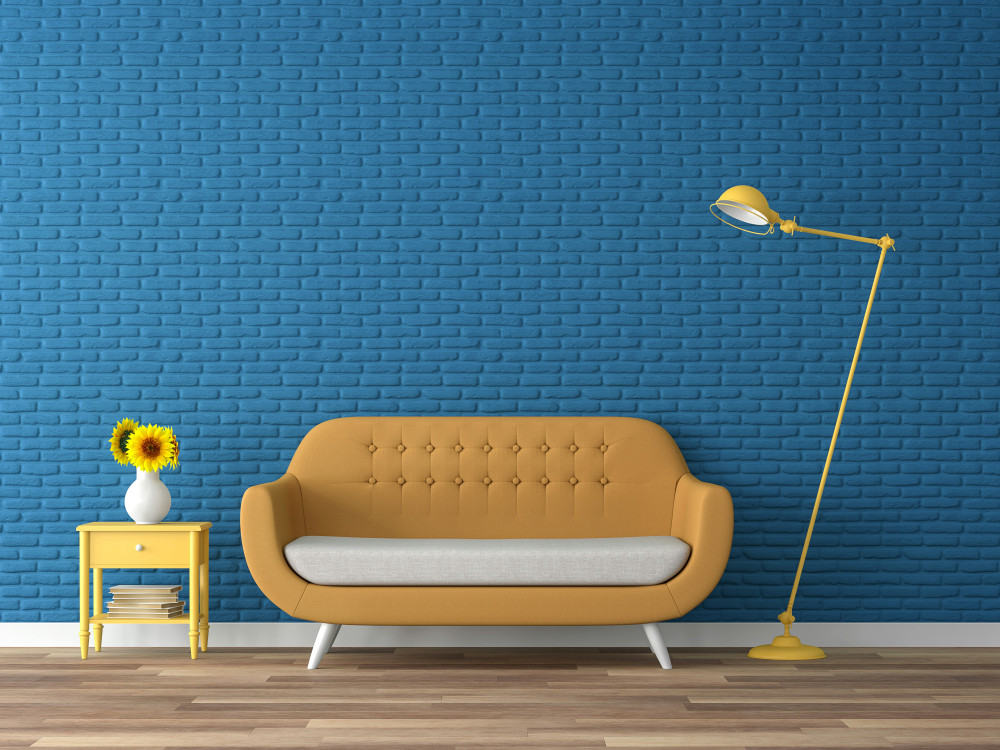
For decades, modern American interiors have leaned toward straight lines and cool tones. Now, the pendulum is swinging back toward organic shapes and rich, saturated colors. Sofas with rounded arms, low backs, and deep cushions evoke the relaxed, bohemian vibe of the 1970s while offering a fresh, updated look.
Designers and furniture brands are reimagining vintage silhouettes with today’s materials and craftsmanship. While the original ’70s sofas were often bulky and heavily upholstered, modern versions are lighter and more refined — yet they stay true to the era’s spirit of comfort and ease.
Colors That Warm the Room
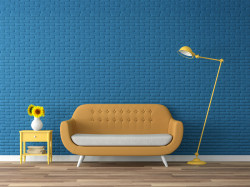
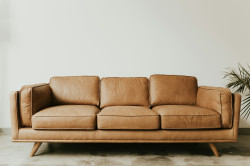
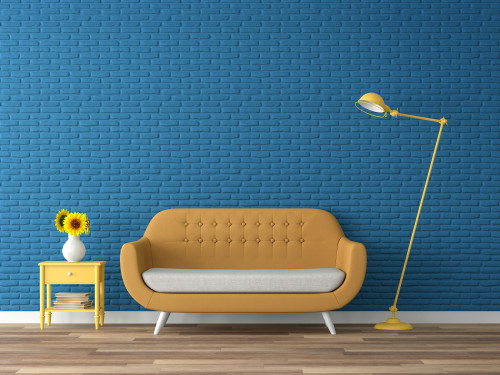
The 1970s color palette is unmistakable — and it’s trending again. Burnt orange, mustard yellow, olive green, and chocolate brown are making a comeback in upholstery and décor. These earthy hues bring warmth and depth to a space, pairing beautifully with natural materials like wood, wool, and leather.
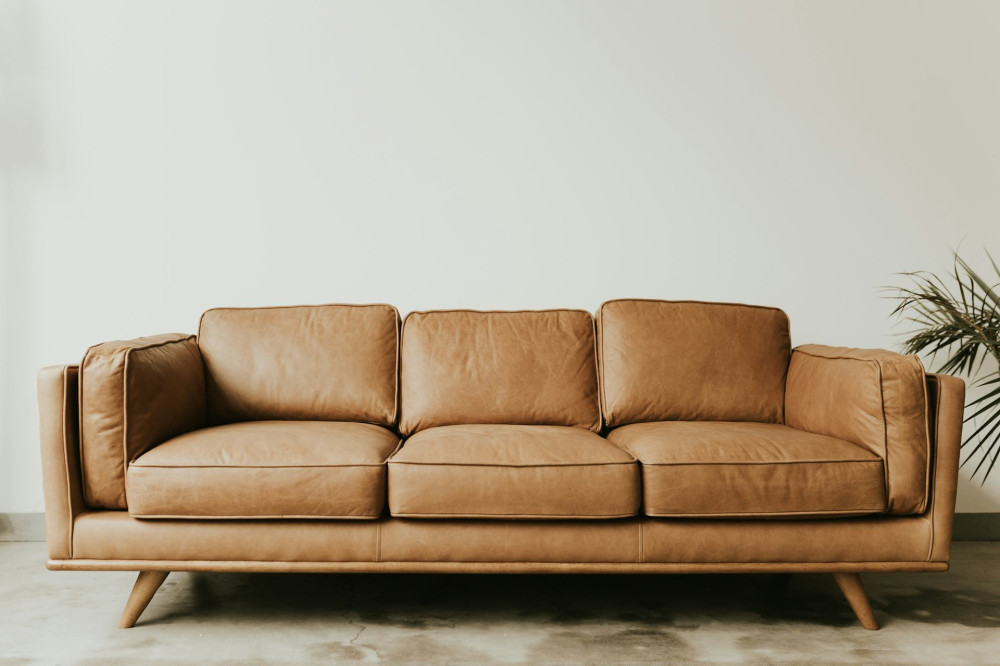
For those who prefer a subtler nod to the decade, these colors can be introduced through accents: a velvet throw pillow, a rust-colored rug, or a caramel leather armchair can add a retro touch without overwhelming the room.
Textures With Character
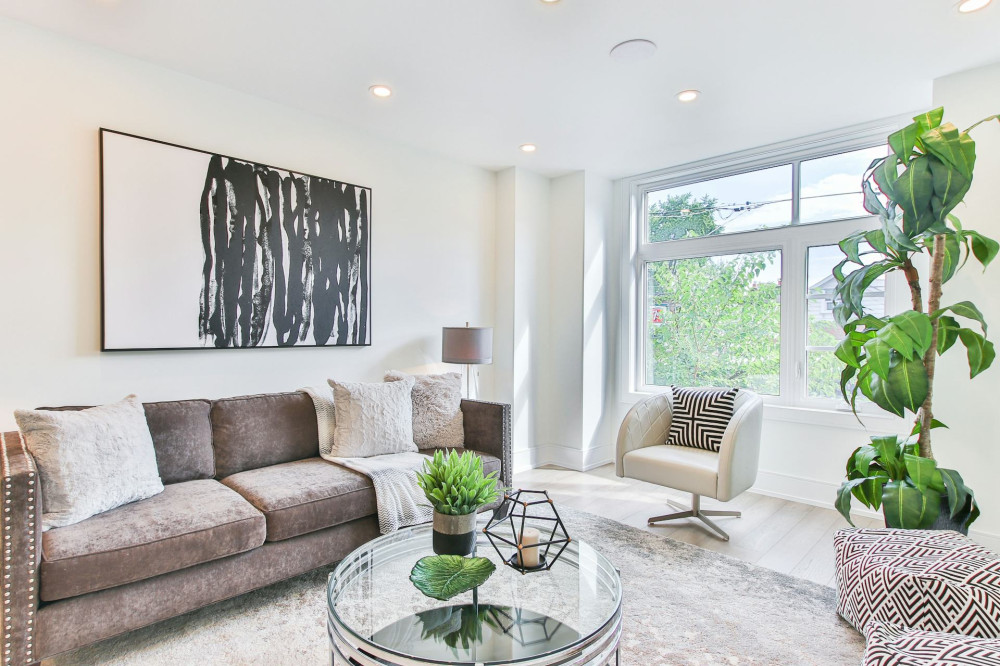
Velvet, bouclé, and chunky woven fabrics are among the most sought-after materials for sofas right now. They add tactile richness and visual interest — perfect for creating a home that feels inviting and lived-in. Many new collections also emphasize sustainability, using recycled fabrics and responsibly sourced wood to meet the growing demand for eco-conscious design.
Dark wood details, such as walnut or teak legs, enhance the retro aesthetic and provide a sophisticated contrast to the plush upholstery.
A Style That Fits Modern Living
Although 1970s sofas were originally designed for spacious living rooms and long evenings in front of the TV, they adapt surprisingly well to today’s homes. Their soft shapes and warm tones create a sense of calm in busy households, while their casual elegance aligns with the current desire for spaces that feel personal and relaxed.
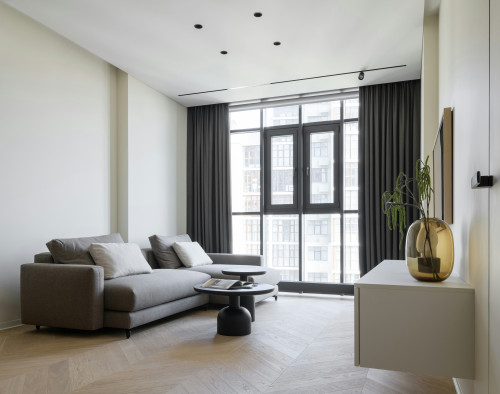
Modular sectionals — a modern twist on the classic ’70s corner sofa — are especially popular. They allow homeowners to customize layouts for different rooms and lifestyles, blending retro charm with contemporary flexibility.
Læs også:
How to Bring the ’70s Look Into Your Home
If you’re inspired by the 1970s aesthetic but don’t want your living room to feel like a time capsule, start small:
- Choose warm tones – mix earthy neutrals with bold accent colors.
- Play with texture – velvet, wool, and leather add depth and comfort.
- Think holistically – coordinate your sofa with lighting, rugs, and wall art.
- Mix old and new – pair a vintage piece with modern accessories for balance.
These touches can help you create a space that feels timeless and personal — a home that honors the past while embracing the present.
A Classic Reimagined
The return of 1970s sofas isn’t just about nostalgia. It reflects a broader shift in interior design toward authenticity, comfort, and warmth. Once again, the sofa is more than just a piece of furniture — it’s a place to gather, unwind, and feel at home, just as it was half a century ago.
Læs også: