Window Boxes and Small Garden Beds: How to Care for Your Plants so They Thrive and Bloom

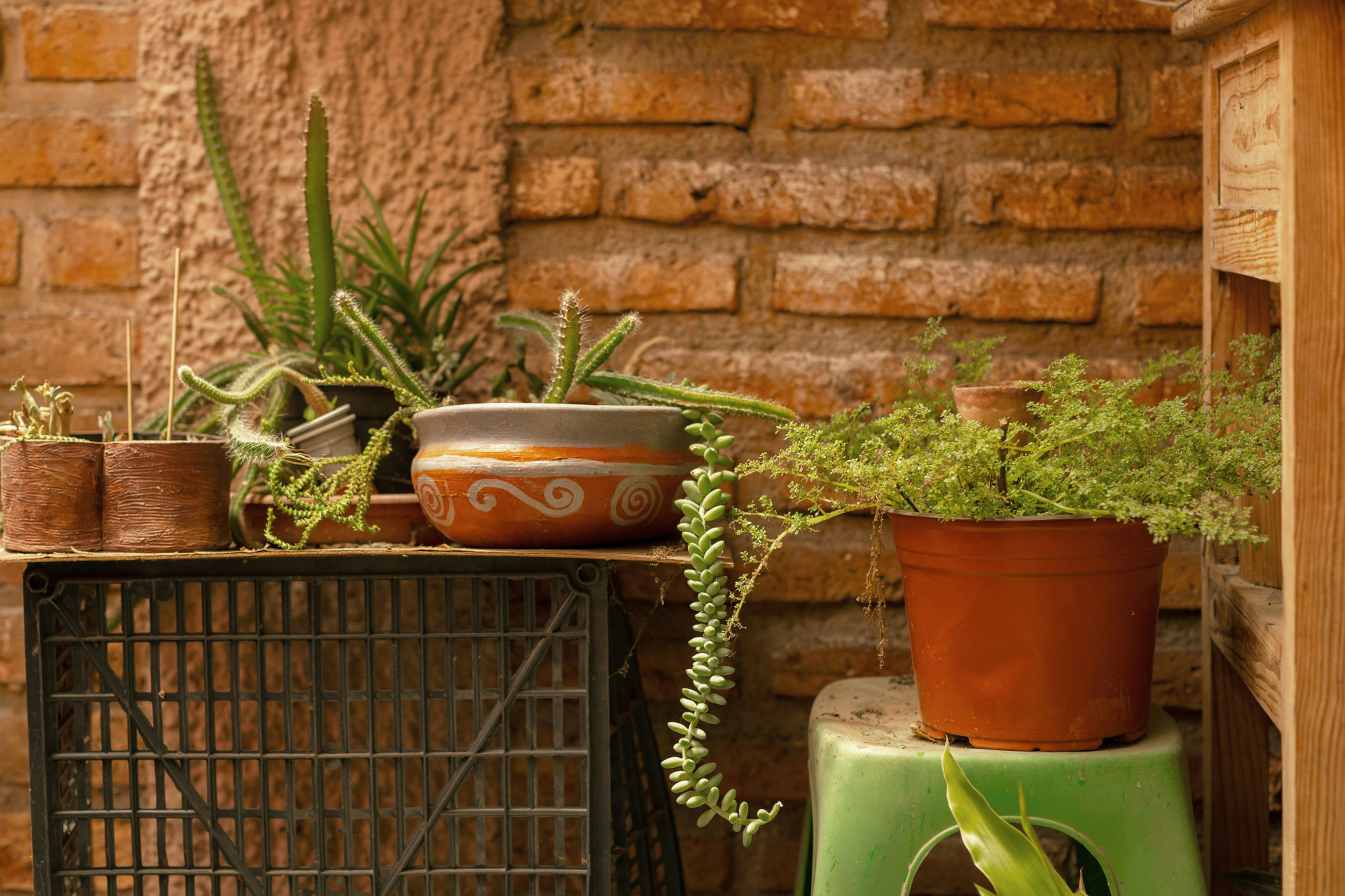
Window Boxes and Small Garden Beds: How to Care for Your Plants so They Thrive and Bloom
Even the smallest outdoor space can become a lush, colorful retreat. Window boxes and small garden beds let you grow flowers, herbs, and vegetables—even if you live in the middle of the city. But for your plants to truly thrive, they need the right care and attention. Here’s a guide to help you make the most of your compact garden spaces.
Choose the Right Plants for the Location
The first step toward a thriving garden is choosing plants that match your light conditions. A south-facing window box or patio gets plenty of sun and heat, while a north-facing one may stay shaded most of the day.
- Sunny spots: Go for plants like petunias, geraniums, lavender, rosemary, and thyme. They love warmth and can handle dry conditions.
- Partial shade: Try impatiens, begonias, basil, or strawberries. They’ll do well with a few hours of sun each day.
- Shady areas: Ferns, hostas, and shade-tolerant herbs like mint and parsley are good choices.
Think about how your plants look together, too. Mixing different heights, colors, and leaf shapes creates a more dynamic and inviting display.
Use the Right Soil and Fertilizer
Plants in containers depend entirely on the soil you give them. Use a high-quality potting mix designed for containers—it’s lighter and drains better than garden soil. You can mix in compost or a slow-release fertilizer to provide steady nutrients.
For flowering plants, a liquid fertilizer every two weeks during the growing season helps keep blooms coming. Herbs and vegetables also need feeding, but in smaller amounts—too much fertilizer can lead to lots of leaves but fewer flowers or fruits.
Water Wisely
Watering is one of the most important parts of plant care. Containers dry out faster than garden beds, especially in hot weather. Water early in the morning or in the evening to reduce evaporation.
- Check the soil: Stick your finger an inch or two into the soil—if it feels dry, it’s time to water.
- Avoid overwatering: It’s better to water deeply and less often than to give small amounts frequently. Roots need both moisture and air.
- Use saucers or self-watering containers: These help maintain even moisture, especially if you’re away for a few days.
A thin layer of mulch, small stones, or bark on top of the soil can also help retain moisture.
Prune, Pinch, and Remove Spent Blooms
Regular maintenance keeps your plants healthy and blooming. Remove dead flowers and leaves to prevent disease and encourage new growth. Many flowering plants, like petunias and geraniums, will bloom longer if you pinch off faded flowers.
Herbs such as basil and mint benefit from frequent trimming. It encourages fresh growth and prevents them from going to seed too early.
Keep the Seasons in Mind
Even small garden beds can change with the seasons. Plant spring bulbs like tulips or daffodils beneath your summer flowers, and replace them with fall favorites like ornamental kale, pansies, or heather when the weather cools.
If you have room, try growing a few edibles—cherry tomatoes, lettuce, and strawberries do well in containers and add both beauty and flavor to your space.
Welcome Nature In
Your window boxes and small beds can also support local wildlife. Choose pollinator-friendly flowers such as coneflowers, bee balm, lavender, or black-eyed Susans to attract bees and butterflies. A small bird feeder or shallow water dish can make your garden a haven for birds and beneficial insects.
Enjoy the Results
When your plants are thriving, your window boxes or small garden beds become more than just decoration—they’re a place to relax and reconnect with nature. Take time to notice how your plants grow and change, and adjust your care as needed. That ongoing attention is what turns a simple container garden into a vibrant, living sanctuary.