Wear and Scratches: How They Affect Your Floor’s Appearance and Ease of Cleaning

Wear and Scratches: How They Affect Your Floor’s Appearance and Ease of Cleaning
Your floor is one of the hardest-working surfaces in your home. Every day it endures foot traffic, furniture movement, pets, and cleaning routines—all of which gradually leave their mark. Wear and scratches are inevitable, but they don’t just affect how your floor looks. They also influence how easy it is to keep clean and how long it will last. Let’s take a closer look at how wear and scratches develop, how they impact different flooring materials, and what you can do to prevent and manage them.
What Happens When a Floor Wears Down?
Wear occurs gradually as the surface is exposed to repeated stress. Tiny particles of dirt and grit act like sandpaper under shoes, while furniture legs dragged across the floor can scuff or dull the finish. Over time, the protective coating—whether it’s polyurethane, oil, or wax—breaks down, leaving the material underneath more vulnerable.
Scratches are more localized damage where the surface is actually broken. They can be shallow, affecting only the finish, or deep enough to reach the material itself. Either way, they change how light reflects off the surface, making the floor look duller and more uneven.
Different Flooring Types React Differently
Not all floors wear the same way. The material and its finish determine how visible scratches and wear become.
- Hardwood floors develop a patina over time that many homeowners find appealing. However, deep scratches can penetrate the finish and expose the wood, making it more susceptible to dirt and moisture.
- Vinyl and laminate floors are designed to be durable, but once the top layer is damaged, it can’t be refinished like wood. Scratches may expose the core material, which can swell if it absorbs moisture.
- Tile floors are highly resistant to scratches, but the grout lines can wear down or discolor, affecting the overall appearance.
- Linoleum can show surface wear, but it can often be refreshed with a new coat of polish or finish.
Understanding your floor’s material is the first step toward choosing the right care and prevention methods.
Wear and Cleanability Go Hand in Hand
A worn floor isn’t just an aesthetic issue—it can also be harder to keep clean. When the surface becomes rough or scratched, dust and dirt cling more easily. That means more time and effort spent cleaning, often with less satisfying results.
On hardwood floors, for example, scratches can trap fine particles that make the surface look dull even after cleaning. On laminate floors, damaged areas may lose their protective layer, allowing moisture to seep in and cause swelling or warping. Regular maintenance is therefore not just about looks—it’s also about hygiene and durability.
How to Prevent Wear and Scratches
While you can’t completely avoid wear, you can take simple steps to minimize it:
- Use doormats at every entrance to trap dirt and grit before it reaches your floors.
- Add felt pads under furniture legs to prevent scratches when moving chairs or tables.
- Avoid high heels and hard-soled shoes on delicate surfaces.
- Vacuum or sweep regularly to remove abrasive particles.
- Maintain the finish—reapply oil, wax, or polyurethane as recommended to keep the protective layer intact.
Small habits like these can significantly extend your floor’s lifespan and keep it looking its best for years.
When Damage Has Already Occurred
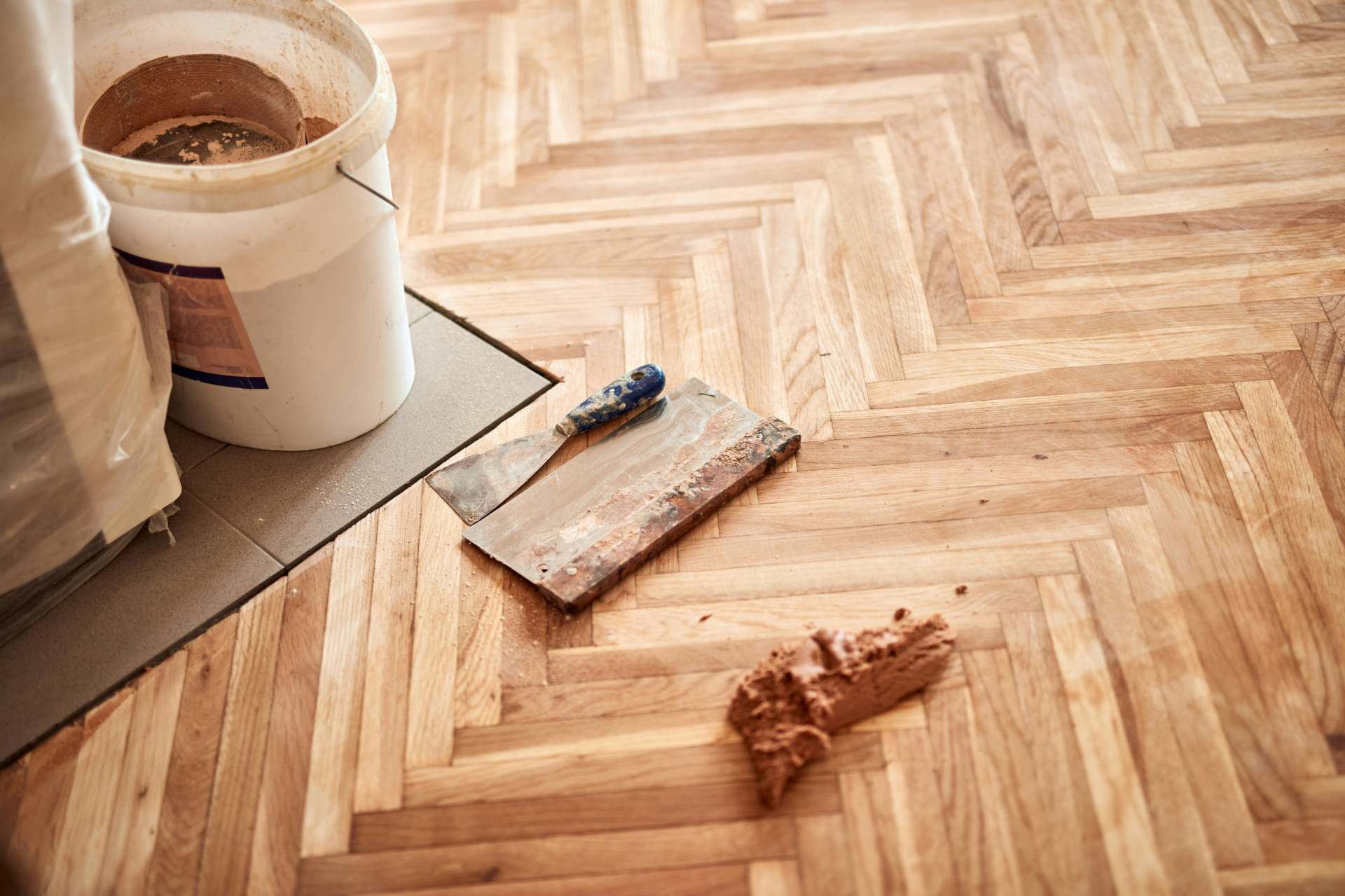
If scratches are already visible, the right solution depends on the flooring type and the extent of the damage. Minor scratches on hardwood can often be buffed out or treated with a repair oil. Deeper damage may require light sanding and refinishing. Laminate floors can sometimes be repaired with color-matched wax or filler kits, but larger issues usually mean replacing the affected planks.
The key is to act quickly. The longer you wait, the more likely dirt and moisture will penetrate and worsen the problem.
A Floor with Character
A completely scratch-free floor is almost impossible—and it doesn’t have to be the goal. Subtle signs of use can add warmth and character, telling the story of a home that’s lived in. The goal is balance: protecting your floor so it stays beautiful and functional without losing its natural charm.
With the right care and attention, your floor can remain both attractive and easy to clean—year after year.