Use Your Savings Wisely – Maintain and Improve Your Home Over Time

Use Your Savings Wisely – Maintain and Improve Your Home Over Time
A home is more than just a place to live – it’s also one of the biggest investments most Americans will ever make. That’s why it makes sense to use your savings strategically to maintain and improve your home over time. The goal isn’t to spend as much as possible, but to spend wisely so your home retains its value, your comfort increases, and your long-term costs go down. Here’s how you can plan and prioritize your home improvements thoughtfully.
Start with the Essentials – Maintenance Before Upgrades
It can be tempting to jump straight into remodeling projects like a new kitchen or a stylish deck, but the most important step is to make sure your home’s basic structure and systems are in good shape. A new roof or updated plumbing may not be glamorous, but they’re often the smartest investments.
Create a maintenance plan that includes regular checks of:
- Roof and gutters – leaks can lead to water damage and costly repairs.
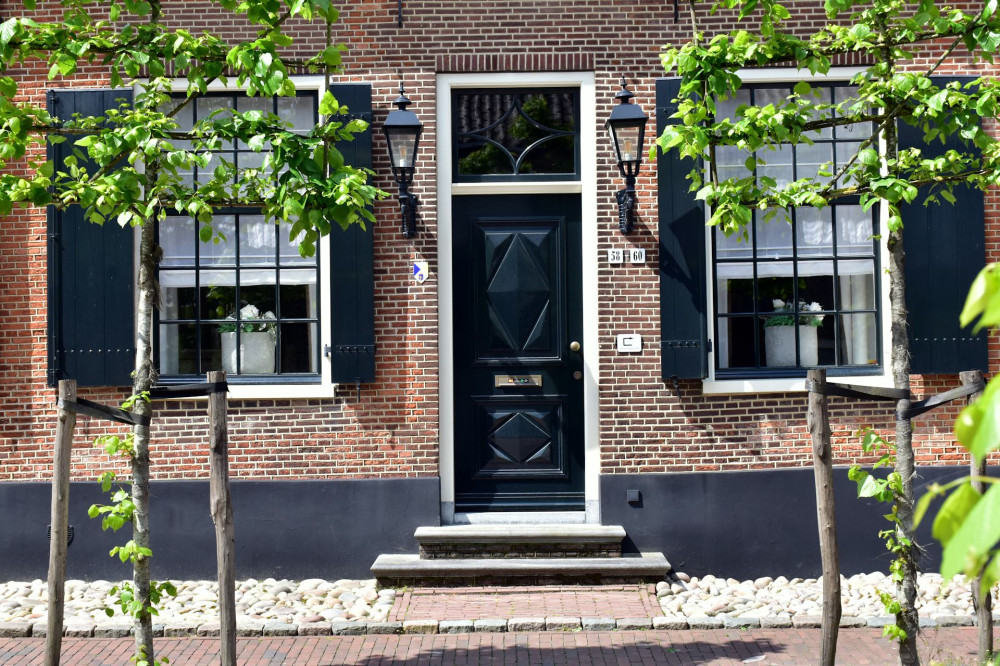
- Windows and doors – older models can cause drafts and energy loss.
- Moisture and insulation – inspect basements, attics, and exterior walls for signs of damage.
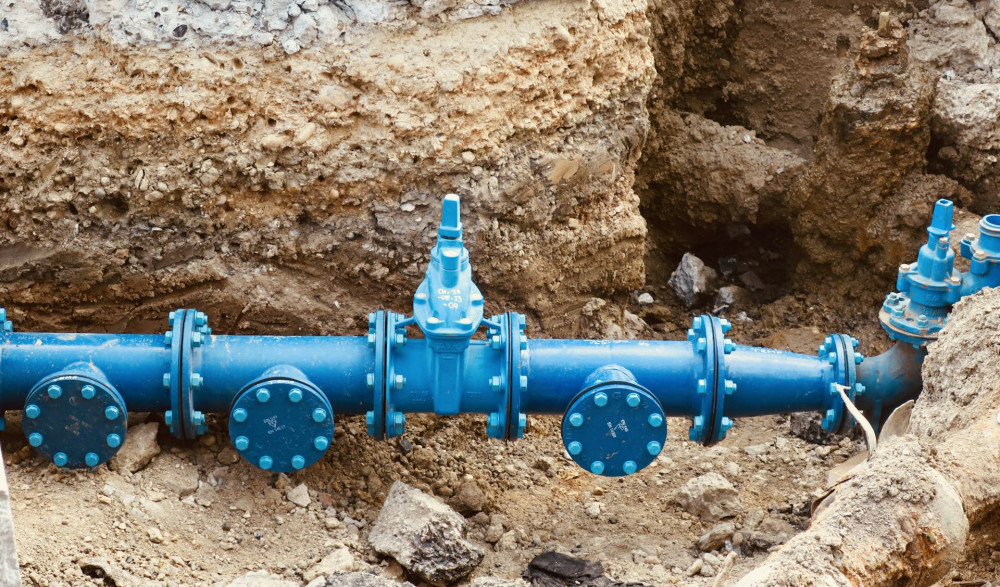
- HVAC, plumbing, and electrical systems – outdated systems can be inefficient or unsafe.
By addressing essential repairs first, you prevent small issues from turning into major – and expensive – problems.
Plan Improvements in Stages
Once the basics are covered, you can focus on upgrades that enhance comfort and add value. These might include energy-efficient updates, kitchen or bathroom remodels, or outdoor living spaces. The key is to plan in stages.
Develop a long-term improvement plan that outlines which projects you’ll tackle and when. This allows you to spread costs over several years and avoid draining your savings all at once. Prioritize projects that bring both daily enjoyment and financial return – such as lower utility bills or a higher resale value.
Energy Efficiency – An Investment That Pays Off
Energy-efficient upgrades often deliver the best return on investment. Replacing old windows, improving insulation, or installing a modern HVAC system can significantly reduce energy use while making your home more comfortable.
Consider these options:
- Attic and wall insulation – one of the most cost-effective ways to cut heating and cooling costs.
- Upgrading your HVAC system – newer models are more efficient and environmentally friendly.
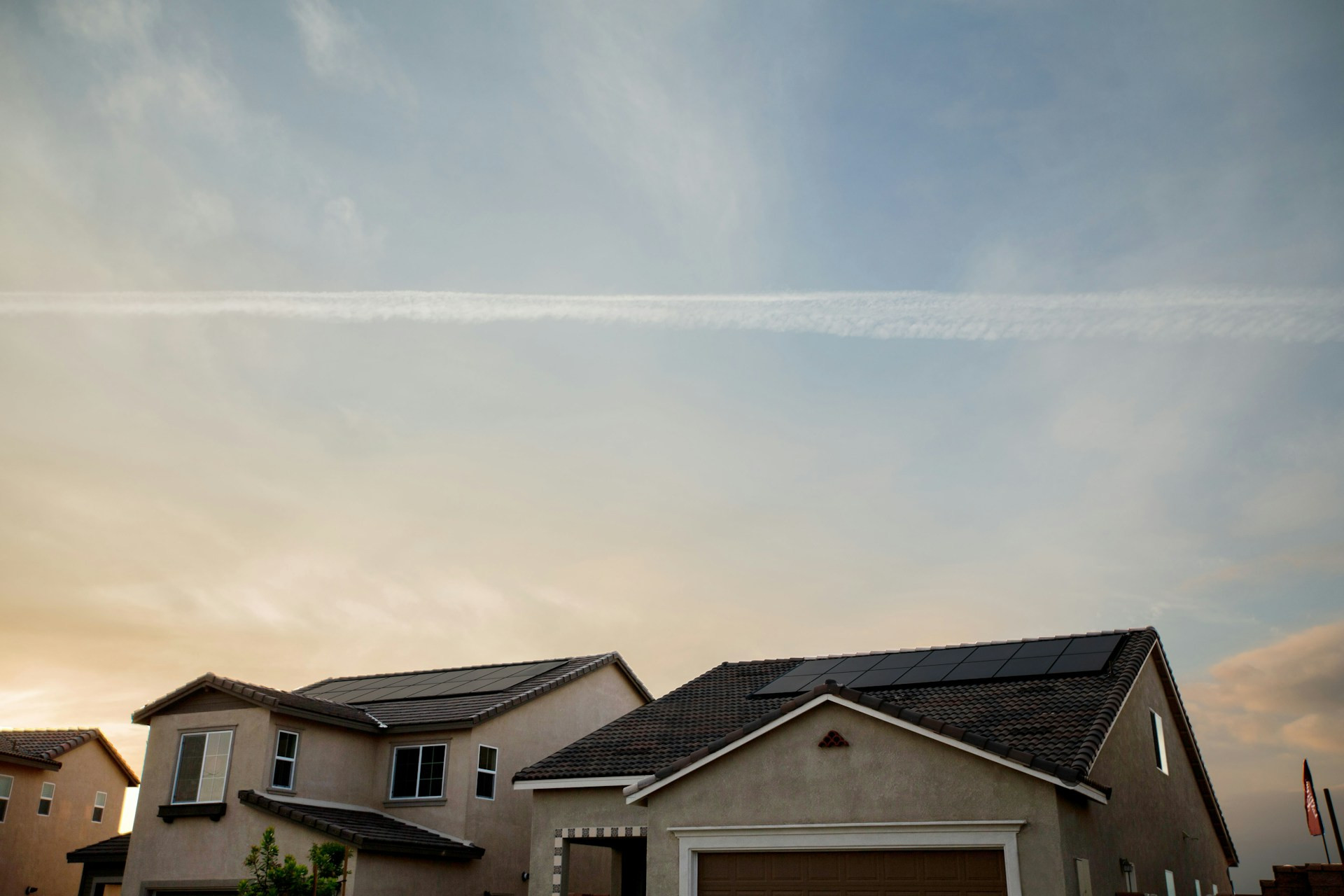
- Solar panels – can lower your electricity bills and increase your home’s independence.
- Energy-efficient windows – reduce heat loss and improve indoor comfort.
Many energy improvements may qualify for federal tax credits or state incentives, so check available programs before starting your project.
Keep a Financial Cushion
While it’s tempting to use all your savings to create your dream home right away, it’s wise to keep an emergency fund. Unexpected expenses – like a broken water heater or a leaking pipe – can appear at any time.
A good rule of thumb is to keep three to six months of living expenses in reserve. Use the rest of your savings for planned projects. This approach gives you financial stability and flexibility when surprises occur.
Think Sustainable and Long-Term
When investing in your home, consider both environmental impact and long-term value. High-quality materials last longer, require less maintenance, and can improve indoor air quality. At the same time, sustainable choices are increasingly attractive to future buyers.
Keep in mind:
- Durable materials instead of the cheapest options.
- Reuse and repair when possible – it saves money and resources.
- Flexible design that can adapt to changing needs over time.
Sustainability isn’t just about the environment – it’s about creating a home that works well for years to come.
Seek Professional Advice When Needed
While many projects can be handled on your own, professional advice can be a smart investment – especially for larger or more complex work. A home inspector, energy auditor, or contractor can help you identify where your money will have the greatest impact and how to avoid costly mistakes.
It’s also wise to get multiple quotes before committing to a project. Prices can vary widely, and careful comparison can save you both money and stress.
A Home That Lasts – and a Budget That Works
Using your savings wisely is all about balance: between necessary repairs and desired upgrades, between today’s comfort and tomorrow’s value. With a realistic plan, consistent maintenance, and a focus on quality, you can ensure your home remains both a safe haven and a sound investment for years to come.