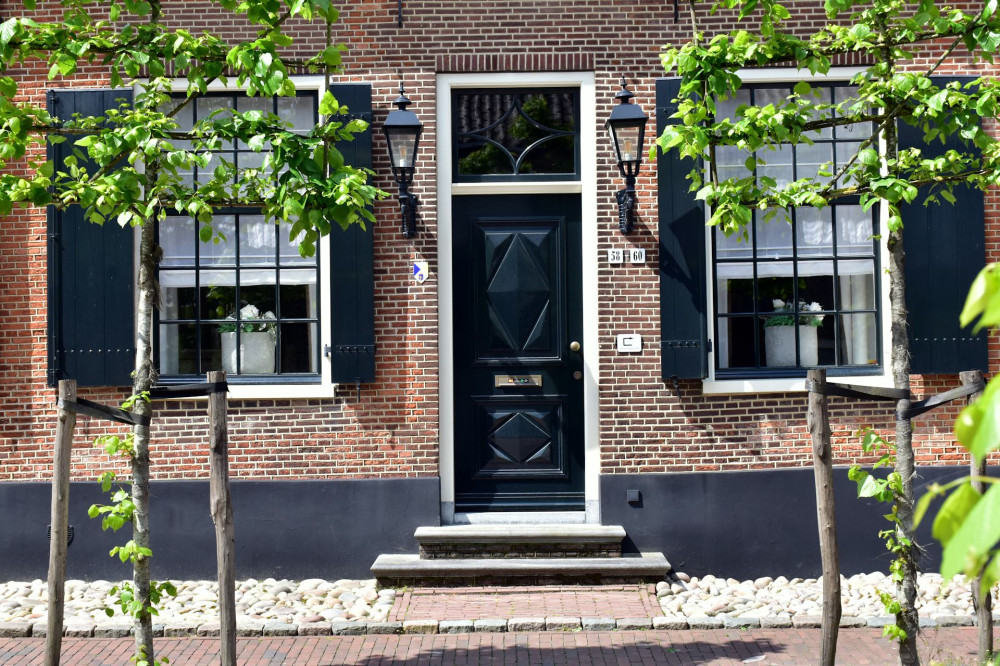
Use Walls as a Backdrop for Lighting and Decoration

Use Walls as a Backdrop for Lighting and Decoration
Walls are more than just boundaries that define a room – they are an essential part of your home’s personality. With the right combination of lighting and decoration, walls can transform an ordinary space into one that feels warm, dynamic, and uniquely yours. Here’s how you can use your walls as a backdrop for both light and design in your home.
Light as a Design Tool
Lighting isn’t only about visibility – it’s about atmosphere and expression. When you use walls as a backdrop for lighting, you can shape the mood and depth of a room in subtle yet powerful ways.
- Indirect lighting – Letting light bounce off the wall instead of shining directly into the room creates a soft, inviting glow. LED strips behind molding, cabinets, or mirrors can add a modern touch and make the wall appear to “float.”
- Wall sconces and spotlights – These fixtures can highlight textures, artwork, or architectural details. A brick or textured wall comes alive when light grazes its surface at an angle.
- Colored lighting – With today’s LED technology, you can experiment with color. Warm amber tones create coziness, while cooler hues lend a calm, contemporary feel.
Think of your wall as a canvas and light as your brush. Small adjustments in direction and intensity can completely change the room’s character.
Decoration That Works with Light
When your wall serves as a backdrop for lighting, choose decorations that enhance the effect. Consider materials, colors, and shapes that reflect or absorb light in interesting ways.
- Mirrors and glass – These surfaces reflect light and make a room feel larger. A mirror placed to catch the glow of a lamp can double the brightness and add depth.
- Art and photography – Use spotlights to draw attention to paintings or photos. It creates a gallery-like atmosphere and gives your wall a focal point.
- Plants and natural materials – Greenery, wood panels, or woven wall hangings gain warmth and texture when softly lit from the side.
- Textures – Plaster, wallpaper, or paneling gain dimension when light plays across their surfaces.
Balance is key – too much light can feel harsh, while too little can make decorations fade into the background. Experiment and observe how the light changes throughout the day.
Create Zones and Moods
Walls can help define different zones within a space. With lighting and decoration, you can create transitions between functions – for example, from a dining area to a cozy reading nook.
- In the living room, a softly lit wall with artwork can serve as a calm backdrop for the seating area.
- In the bedroom, wall-mounted lamps with warm light create a relaxing atmosphere and free up space on the nightstand.
- In the entryway, a combination of a mirror, wall light, and small shelf can make the space both functional and welcoming.
By thinking in zones, you turn your walls into active design elements that shape how each part of your home feels and functions.
Practical Considerations
Before you start, plan your electrical setup and mounting points. If you’re building or remodeling, consider integrating wiring and dimmer controls into the wall for a clean, professional look.
Choose adjustable light sources so you can adapt the mood as needed. Remember that wall color affects how light behaves – darker shades absorb light, while lighter ones reflect it.
A Living Expression That Can Evolve
One of the best things about using walls as a backdrop for lighting and decoration is how easily the look can change. Swap out fixtures, move artwork, or adjust the direction of the light whenever you want a refresh. In this way, your walls become a flexible part of your home’s design – a place where function and beauty meet and evolve over time.