The Properties of Fiber Cement Roofs – What Makes Them a Unique Roofing Material?

The Properties of Fiber Cement Roofs – What Makes Them a Unique Roofing Material?
Fiber cement roofing has become an increasingly popular choice for American homeowners, builders, and architects seeking a balance between durability, design flexibility, and sustainability. Found on everything from suburban homes and farm buildings to commercial structures, fiber cement offers a distinctive combination of strength and style. But what exactly makes this material stand out—and why might it be the right choice for your next roofing project? Let’s take a closer look at its key properties and advantages.
What Is Fiber Cement?
Fiber cement is a composite material made from cement, water, and reinforcing fibers—typically cellulose or synthetic fibers. The mixture is pressed and cured to form strong, lightweight panels or shingles. In the past, asbestos was used as the reinforcing fiber, but modern fiber cement products are completely asbestos-free and meet today’s strict safety and environmental standards.
The result is a roofing material that combines the rigidity of cement with the flexibility and resilience of fiber, making it suitable for a wide range of architectural styles and climates.
Durability and Weather Resistance
One of the main reasons fiber cement roofs are valued in the U.S. is their exceptional durability. A well-installed fiber cement roof can last 30 to 50 years or more, depending on local conditions and maintenance. The material resists rot, rust, and insect damage—issues that can plague wood or metal roofs.
Fiber cement also performs well in diverse American climates, from humid coastal regions to areas with heavy snow or intense sun. It doesn’t warp or crack easily under temperature fluctuations, and it’s non-combustible, offering an added layer of fire protection—an important consideration in wildfire-prone states like California and Colorado.
Lightweight and Easy to Handle
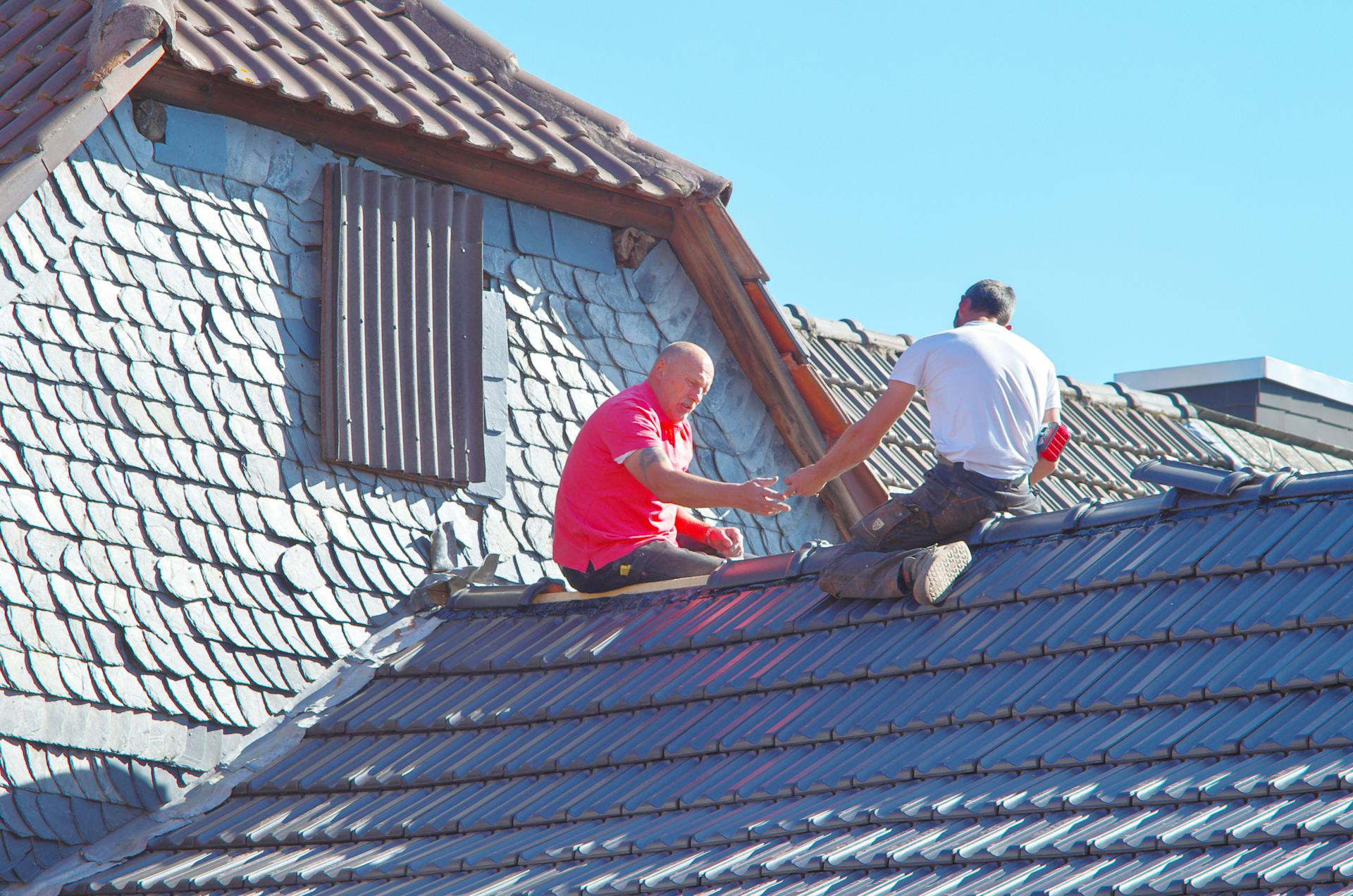
Compared to materials like clay tile or slate, fiber cement is relatively lightweight. This makes it easier to transport, handle, and install, reducing labor costs and structural demands on the building. For renovation projects, especially on older homes where the roof framing may not support heavy materials, fiber cement can be an ideal solution.
Its manageable weight also allows for faster installation, which can be a significant advantage for contractors and homeowners looking to minimize project time.
Aesthetic Versatility
Fiber cement roofing comes in a wide variety of profiles, colors, and finishes. You can find traditional corrugated sheets for agricultural or industrial buildings, as well as flat or shingle-style panels that mimic the look of wood, slate, or even stone. This versatility allows homeowners to achieve both classic and contemporary looks without sacrificing performance.
Manufacturers often apply durable coatings or pigments that resist fading and weathering, ensuring that the roof maintains its appearance for decades.
Environmental and Sustainability Benefits
Modern fiber cement products are designed with sustainability in mind. They are made from abundant raw materials and are free from hazardous substances. Many U.S. manufacturers have adopted energy-efficient production methods and recycling programs for waste materials.
Because fiber cement roofs have a long lifespan and require minimal maintenance, they contribute to lower overall environmental impact compared to materials that need frequent replacement. At the end of their service life, fiber cement panels can often be recycled or safely disposed of without harming the environment.
Maintenance and Care
While fiber cement is a low-maintenance material, occasional care helps preserve its appearance and longevity. Over time, algae or moss may develop in shaded or damp areas, particularly in humid regions. A gentle cleaning with a soft brush or mild detergent can remove buildup without damaging the surface. It’s best to avoid high-pressure washing, which can erode protective coatings.
Inspecting the roof periodically for cracks or loose fasteners ensures that small issues are addressed before they become costly repairs.
Cost and Value
In terms of cost, fiber cement roofing typically falls in the mid-range—more affordable than natural slate or clay tile, but more expensive than asphalt shingles. However, its long lifespan, low maintenance requirements, and resistance to weather damage make it a cost-effective investment over time. For homeowners seeking a balance between performance, aesthetics, and price, fiber cement offers excellent long-term value.
A Modern Classic for American Homes
Fiber cement roofing has evolved from a niche product into a mainstream choice for modern construction. Its combination of strength, fire resistance, design flexibility, and environmental responsibility makes it a standout option for both new builds and renovations. Whether you’re designing a sleek contemporary home or restoring a traditional farmhouse, a fiber cement roof provides a durable, attractive, and sustainable solution that’s built to last for decades.