Teach Kids to Compost and Recycle in a Fun and Easy Way

Teach Kids to Compost and Recycle in a Fun and Easy Way
Teaching kids about composting and recycling is a wonderful way to help them understand how nature works and why it’s important to take care of our planet. When children get to participate hands-on, it becomes more than just a chore—it turns into a fun activity where they can see the results of their efforts. Here are some ideas to make it easy, engaging, and educational to involve kids in green habits at home.
Start with What They Already Know
Kids learn best when they can connect new ideas to everyday life. Begin by talking about the trash your family produces—what do you throw away, and why? Let them help sort recyclables like paper, plastic, and glass, and explain how these materials can be turned into something new. You can show short videos or pictures of how old bottles become new ones or how cardboard is recycled into new boxes.
Make it a game: Who can find the most items in the house that can be recycled? Or who remembers which bin is for what? Turning recycling into a challenge keeps kids motivated and makes learning fun.
Composting – Nature’s Magic Trick
Composting might sound complicated, but to kids, it can feel like magic when they see food scraps turn into rich soil. Start small—a countertop compost bin or a backyard compost pile is enough.
Explain that composting is nature’s way of recycling. All the things we don’t eat—fruit peels, vegetable scraps, coffee grounds—break down and become nutrients for new plants. Let kids help collect food scraps and add them to the compost. They can also help stir or turn the compost and watch how it changes over time.
Give your compost a fun name—like “Compost Carl” or “Dirt Daisy.” When it becomes part of the family routine, kids feel a sense of ownership and pride in taking care of it.
Turn It into a Science Experiment
Kids love to explore and experiment. Use composting as a mini science project. Fill two pots with soil—one with compost and one without—and plant the same seeds in both. Let the kids observe which plants grow faster or look healthier. It’s a simple way to show how compost helps plants thrive.
You can also make a “mini compost jar.” All you need is a clear glass jar, some soil, leaves, and small food scraps. Place it in a sunny spot and let kids watch how the materials slowly break down week by week. It’s a great visual lesson in how nature recycles.
Recycling as a Creative Activity
Recycling isn’t just about sorting waste—it can also be a creative adventure. Collect old jars, cardboard tubes, fabric scraps, and egg cartons, and make a “recycling craft box” for kids to use in art projects.
Turn milk cartons into bird feeders, plant herbs in empty yogurt cups, or make lanterns from glass jars. These projects show kids that many items can have a second life instead of ending up in the trash. Plus, it’s a great way to spend quality time together while sparking creativity.
Make It Part of Everyday Life
For kids to truly adopt green habits, they need to see them as a normal part of daily life. Make it easy for them to participate—label recycling bins clearly, and let them be in charge of emptying the compost bucket. Praise their efforts and show them that their actions make a difference.
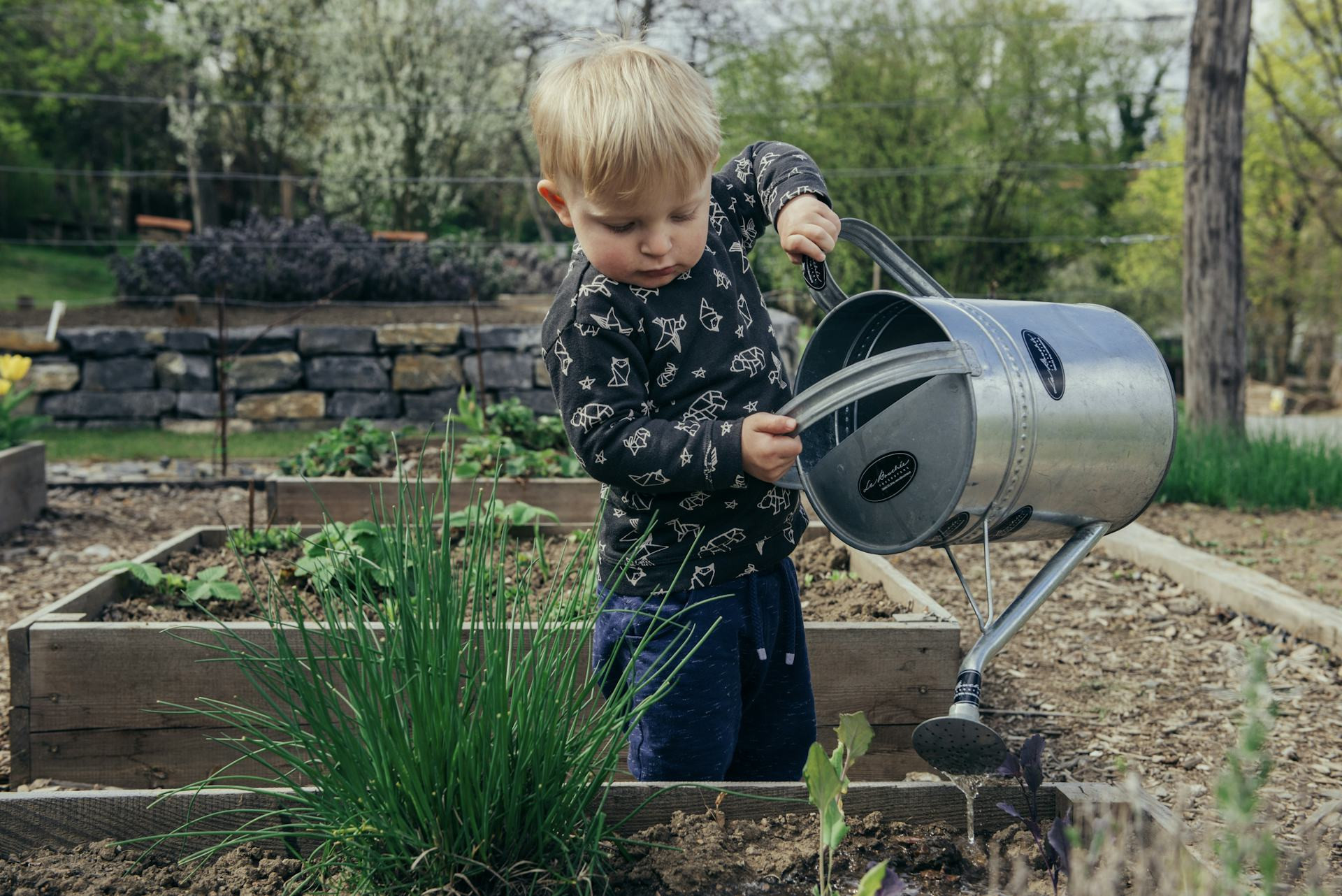
You can also involve them in gardening. Let them use the finished compost to plant flowers or vegetables. When they see that their food scraps have turned into something that helps new plants grow, they’ll understand the full circle of nature.
Small Steps, Big Impact
The key is to start small and keep it fun. Kids don’t need to know all the technical details—it’s about building curiosity and respect for the environment. Over time, these habits will become second nature, and they’ll carry them into adulthood.
Teaching kids to compost and recycle isn’t just good for the planet—it’s an investment in the future. When children learn that even small actions can make a big difference, they grow up believing they have the power to help protect the Earth.