Sort Waste Properly in the Workshop – Simple and Efficient

Sort Waste Properly in the Workshop – Simple and Efficient
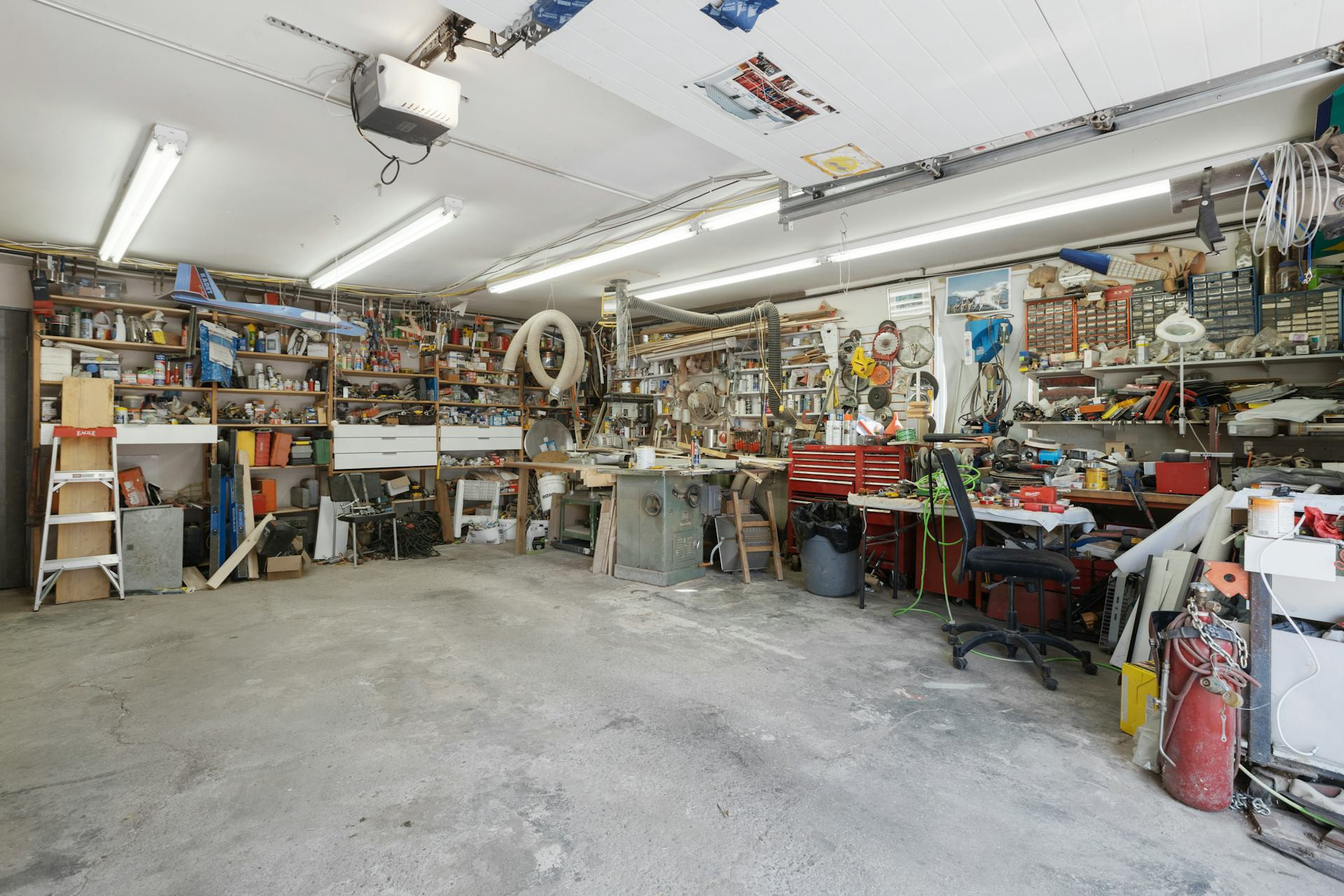
A tidy workshop isn’t just pleasant to work in – it’s also safer and more sustainable. When you sort your waste properly, you save space, time, and resources while doing something good for the environment. But how do you keep track of everything from metal scraps and wood offcuts to paint cans and batteries without making it complicated? Here’s a simple guide to setting up an efficient waste-sorting system in your workshop.
Know Your Waste – and Separate It
The first step is to understand what types of waste you typically generate. Most home or hobby workshops produce a mix of:
- Wood waste – offcuts, sawdust, and old boards.
- Metal – nails, screws, brackets, and trimmings.
- Plastic and packaging – from materials, paint, or tools.
- Hazardous waste – paint, oil, adhesives, spray cans, and solvents.
- Electronics and batteries – old cords, bulbs, and tool batteries.
Once you know what you’re dealing with, it’s easier to plan how many containers you need and where to place them.
Set Up a Smart Sorting System
A good system should be easy to use – otherwise, it won’t be used at all. Place waste bins close to your main work areas, and label or color-code them clearly so you can quickly see where things belong.
A simple setup might include:
- A wood bin for clean wood that can be reused or burned as firewood.
- A metal container for steel, aluminum, and other metals.
- A plastic bin for packaging and plastic parts.
- A sealed container for hazardous waste – with a lid and clear warning label.
- A small box for batteries and electronics.
If you have the space, consider mounting the bins on a rolling cart so you can move them around the workshop as needed.
Handle Hazardous Waste Safely
Hazardous waste requires special care. Paint, oil, adhesives, and spray cans should never go in the regular trash, as they can contaminate soil and water. Store them in tightly sealed containers and take them to your local household hazardous waste collection site when you’ve gathered enough.
Also, make sure to wipe excess paint or oil from brushes and rags before disposal. Rags soaked in oil or solvents can spontaneously combust – keep them in a fireproof container or submerged in water until they can be safely discarded.
Keep It Easy to Stay Organized
A clean workshop starts with good habits. Take a few minutes after each project to tidy up and sort your waste. It’ll make it easier to find your tools next time and prevent clutter from piling up.
A few simple tips:
- Keep a broom and dustpan handy to sweep up sawdust and debris.
- Use small bins for daily waste and empty them regularly.
- Label everything, even temporary boxes.
- Set a routine for taking waste to the recycling center – for example, once a month.
Once your system is in place, it becomes second nature – and you’ll avoid those big, time-consuming cleanups.
Think Reuse and Creativity
Many materials that might seem like waste can be given a second life. Wood scraps can become test pieces, small projects, or support blocks. Metal leftovers can be turned into brackets or decorative items. Even old jars and cans can be used to store screws and nails.
By reusing materials, you save money and resources – and create a more sustainable workspace.
A Workshop with Purpose
Sorting waste properly isn’t just about following rules or protecting the environment – it’s about creating a workshop that works better for you. When your waste is under control, you gain more space, better organization, and a safer place to work. And the best part: it only takes a bit of planning and a few good habits.
So next time you’re holding a handful of scraps or an empty paint can, ask yourself: where does this belong? Small steps like these make a big difference – for you, your workshop, and the planet.