Solar Panels as a Design Element: Where Aesthetics and Energy Efficiency Meet

Solar Panels as a Design Element: Where Aesthetics and Energy Efficiency Meet
For decades, solar panels have symbolized clean energy and sustainability. But in recent years, they’ve also become a statement of design. What was once seen as a technical necessity—often added as an afterthought—is now being reimagined as an integral part of architecture. Thanks to advances in technology and design, solar panels can now enhance both the look and performance of a building, merging aesthetics with energy efficiency in exciting new ways.
From Utility to Architectural Expression
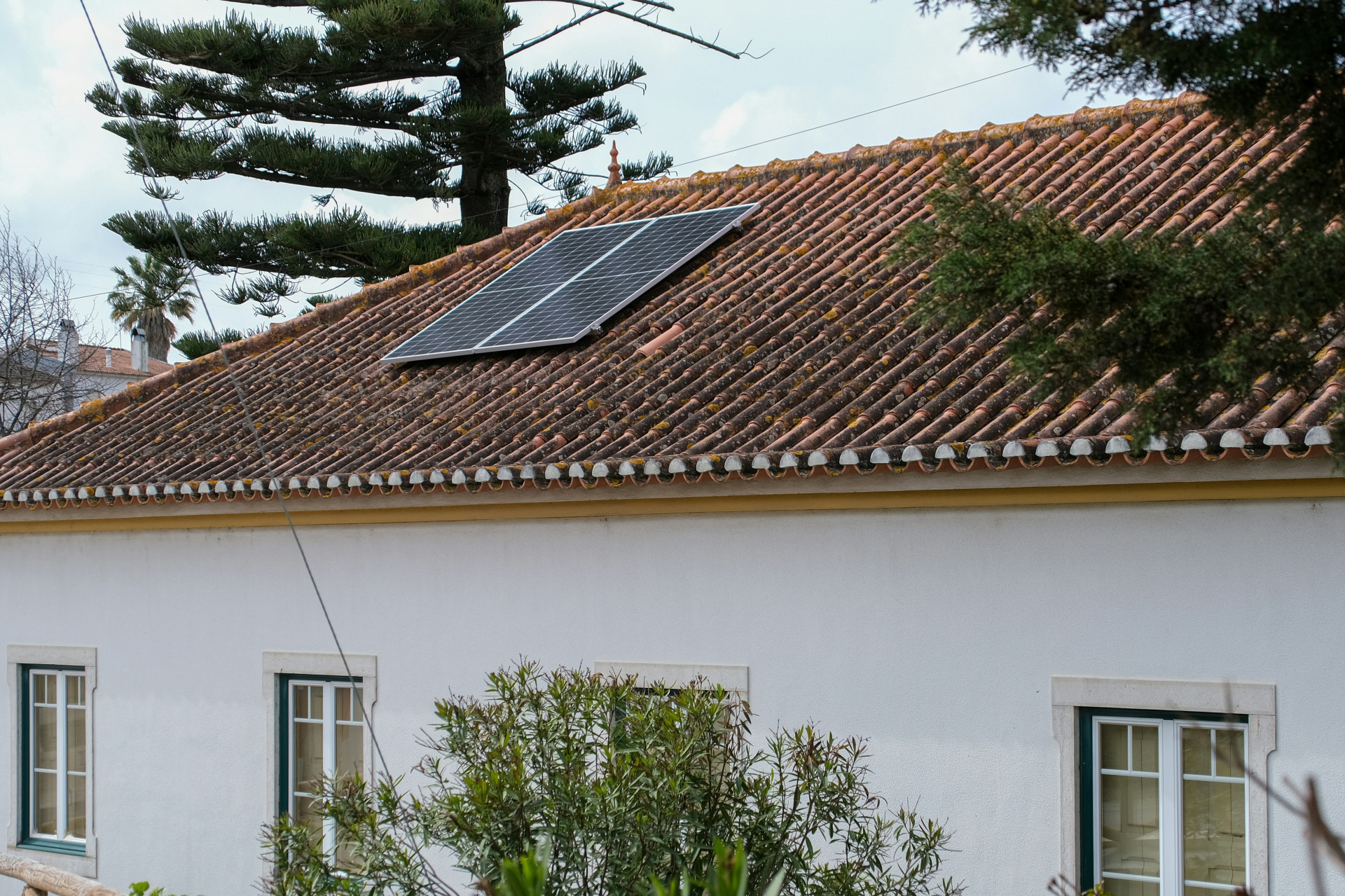
In the past, solar panels were typically mounted on rooftops as separate installations. Today, architects and designers are incorporating them from the very beginning of the design process. This shift has given rise to Building-Integrated Photovoltaics (BIPV)—solar panels that replace traditional building materials such as roof shingles, façade cladding, or glass panels. These systems can be customized in color, texture, and finish, allowing them to blend seamlessly with a building’s overall design.
The result is architecture that doesn’t just house solar technology—it celebrates it. Whether it’s a sleek modern home in California or a commercial building in New York, solar panels are becoming part of the visual identity of the structure, not just its energy system.
Solar Panels in New Forms and Colors
Gone are the days when solar panels had to be shiny black rectangles. Today’s panels come in a variety of hues and finishes, from deep blues and earthy tones to matte surfaces that mimic stone or metal. Some manufacturers even offer semi-transparent solar glass, which can be used in skylights, windows, or balcony railings—providing both natural light and renewable energy.
For designers, this opens up a world of creative possibilities. Solar panels can now complement a building’s lines, materials, and surroundings. They can serve as decorative elements that express innovation and environmental responsibility, turning sustainability into a visible part of the design story.
When Design Meets Everyday Function
The aesthetic potential of solar panels isn’t limited to large-scale projects. Homeowners across the U.S. are embracing solar roofs that look like traditional shingles, offering a clean, cohesive appearance while generating power. These systems are especially popular in neighborhoods where homeowners’ associations value visual harmony.
Solar panels can also be integrated into carports, pergolas, or garden structures—places where they serve both a practical and visual purpose. A solar carport, for example, can charge an electric vehicle while providing shade and a modern architectural touch to a driveway.
Sustainability as a Design Philosophy
When solar panels become part of the design itself, sustainability takes on a new meaning. It’s no longer just about reducing energy consumption—it’s about creating buildings that actively produce energy in a way that’s both functional and beautiful.
Many architects now talk about “visible sustainability”—the idea that green technology should be showcased, not hidden. A building with integrated solar panels tells a story of innovation, responsibility, and forward thinking. It reflects a vision of the future where technology and nature coexist in harmony.
The Future of Solar Cities
As American cities grow and the demand for clean energy increases, integrating solar technology into urban design will become even more important. Imagine cityscapes where building façades generate electricity, glass balconies double as solar collectors, and public spaces are powered by nearby solar installations. This vision is already taking shape in projects across the country—from solar-powered schools in Texas to net-zero office buildings in Seattle.
Local governments and developers are beginning to set new standards for energy-positive construction. In the near future, solar integration may not just be an option—it could be a defining feature of urban architecture.
A New Era for Solar Design
Solar panels as a design element represent a shift in how we think about energy and aesthetics. No longer a technical add-on, they’ve become a symbol of how beauty and sustainability can reinforce each other. When design and efficiency meet, the result is more than just a functional building—it’s an inspiring one.
In this new era, solar energy isn’t just powering our homes and cities. It’s shaping the way they look, feel, and connect with the world around them.