Sensors and Meters – How to Monitor Your Energy Use

Sensors and Meters – How to Monitor Your Energy Use
Most people only think about their energy use when the utility bill arrives. But with modern sensors and meters, you can get a much clearer picture of where and when you use the most electricity, water, and heating or cooling energy—and find out where you can save. The technology has become more affordable and easier to use, and you don’t need to be a tech expert to get started. Here’s a guide to how you can monitor and optimize your energy use with smart tools.
Why Measure Your Energy Use?
Knowing your consumption is the first step toward reducing it. Many homeowners are surprised to learn how much energy goes to standby power, heating, or older appliances. By tracking your usage over time, you can:
- Get a clear overview of where energy is used in your home.
- Spot wasteful habits, such as devices left on all day.
- Compare periods and see the effect of changes, like new appliances or adjusted thermostat settings.
- Plan smarter, for example by shifting usage to off-peak hours when electricity rates are lower.
In short, you can take control of your energy use instead of just reacting to your bill.
Smart Electric Meters – Your Window Into Power Use
Most U.S. households now have smart electric meters that automatically send data to the utility company. Many utilities also let you access this data through an online dashboard or mobile app, where you can view your usage by the hour, day, or month.
If you want even more detail, you can install home energy monitors that connect directly to your electrical panel. These devices show real-time consumption and can break it down by circuit—so you can see how much your refrigerator, HVAC system, or EV charger uses. Some models integrate with smart home systems like Google Home, Amazon Alexa, or Apple Home.
Water and Gas Meters With Data Access
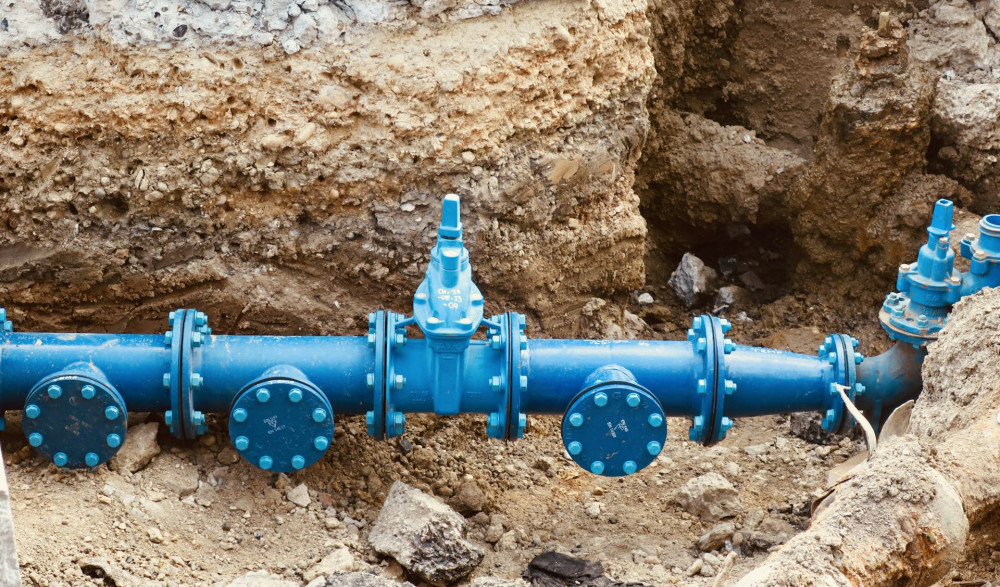
Smart water and gas meters are becoming more common across the U.S. They can transmit data wirelessly, allowing you to track your usage daily or even hourly. This makes it easier to detect leaks, dripping faucets, or inefficient appliances.
Many water utilities now offer online portals where you can view your consumption history and set up alerts for unusual spikes. If you live in an apartment or condo, you may also be able to compare your unit’s usage with the building average—a great way to identify potential savings.
Sensors That Make Your Home Smarter
Beyond meters, sensors can help automate and optimize your energy use. Motion sensors can turn off lights when no one is in the room, and temperature sensors can adjust heating or cooling based on occupancy and time of day. Combined with smart thermostats and plugs, these tools can make your home actively help you save energy.
Useful types of sensors include:
- Temperature and humidity sensors – help maintain comfort while avoiding overuse of heating or air conditioning.
- Light and motion sensors – automatically control lighting based on activity and daylight.
- Plug-in energy monitors – measure the consumption of individual devices and can shut them off automatically.
These sensors can be connected through a single smart home platform, allowing you to lower the thermostat when you leave the house or receive alerts if your energy use suddenly spikes.
How to Get Started
You don’t need to invest in a full smart home setup right away. Start with the area where you think you can save the most—often electricity.
- Check your existing meters. Many already have smart features you can activate through your utility.
- Choose a platform. Decide whether you’ll use your utility’s app, a smart home system, or an independent energy monitor.
- Start tracking. Monitor your usage for a few weeks to establish a baseline.
- Make small changes. Try turning off standby devices, adjusting your thermostat, or changing daily habits—and watch the results in your data.
- Expand gradually. Once you see the benefits, you can add more sensors and automation.
Data as Motivation
When you can see the results in real numbers, it’s easier to stay motivated. Many people find themselves competing with their past performance—can I use a little less this month than last? It turns energy saving into a practical and even fun challenge.
You can also use your data to measure the impact of bigger investments, such as new windows, insulation, a heat pump, or solar panels. This gives you a realistic picture of how quickly those upgrades pay off.
A More Sustainable Home—and a Lower Bill
Monitoring your energy use isn’t just about saving money; it’s also about reducing your environmental footprint. When you understand your consumption, you can make more informed choices—and maybe inspire others to do the same.
With sensors and meters, you gain a tool that makes the invisible visible. And once you see where your energy goes, it becomes much easier to take action.