Safe Tool Storage: How to Prevent Accidents in Your Garage

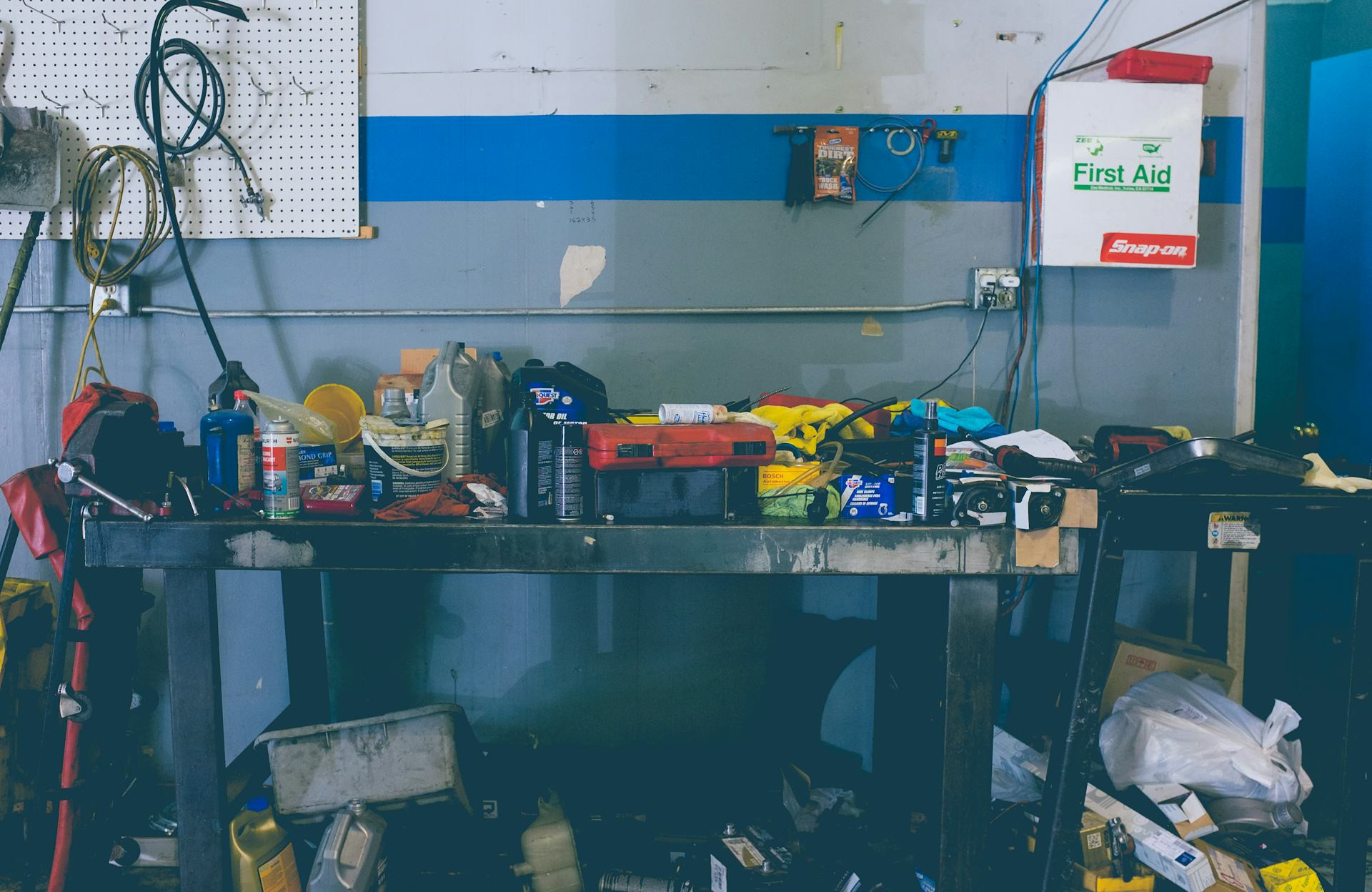
Safe Tool Storage: How to Prevent Accidents in Your Garage
For many Americans, the garage is more than just a place to park the car—it’s a workshop, a storage area, and a space for weekend projects. But without proper organization, it can quickly become a safety hazard. Sharp tools, heavy equipment, and cluttered shelves can lead to accidents and injuries. Here’s how to store your tools safely and create a garage that’s both efficient and secure.
Start by Taking Inventory
The first step toward a safer garage is knowing what you have. Many people discover during cleanup that they own multiple versions of the same tool or that broken equipment has been sitting unused for years.
Take everything out and sort it into categories: hand tools, power tools, garden tools, and hardware like screws and nails. Discard anything that’s damaged beyond repair, and donate or recycle what you no longer use. A clean slate makes it easier to organize and reduces the risk of tripping over stray items.
Make the Most of Wall Space
One of the best ways to keep your garage organized is to use the walls. Install pegboards, sturdy hooks, or wall-mounted racks to hang hammers, wrenches, and saws. This keeps tools visible and off the floor.
For power tools, use labeled shelves or cabinets. Make sure heavy equipment like drills or circular saws are stored securely so they can’t fall. If you have children, store sharp or dangerous tools high up or in a locked cabinet to keep them out of reach.
Pay Attention to Power Tool Safety
Power tools require special care. Cords, batteries, and plugs can become damaged if stored improperly. Coil cords neatly and avoid pinching them under heavy objects or closing them in drawers.
Battery-powered tools should be kept in a dry, temperate area. Never store loose batteries with metal parts, as this can cause short circuits. Inspect your tools regularly, and replace frayed cords or worn parts immediately. Following manufacturer guidelines for storage and maintenance can extend the life of your tools and prevent electrical hazards.
Keep Small Parts Organized
Nails, screws, bolts, and drill bits can easily get lost or scattered. Use small plastic bins, jars with lids, or drawer organizers to keep them sorted. Label each container clearly—it saves time when you’re in the middle of a project and prevents you from stepping on loose metal pieces.
A good system is to group items by type and size, such as all ¼-inch bolts in one container. This not only keeps things tidy but also helps you track your inventory and avoid unnecessary purchases.
Ensure Proper Lighting and Ventilation
A dim or damp garage increases the risk of accidents. Install bright, energy-efficient LED lighting to illuminate your workspace evenly. Good lighting helps you see what you’re doing and reduces the chance of mistakes or injuries.
Ventilation is equally important, especially if you use paints, solvents, or fuels. Open windows or install an exhaust fan to keep air circulating. Proper airflow protects your health and helps prevent rust and moisture damage to your tools.
Build Safe Habits
Safe storage isn’t just about setup—it’s about routine. Always return tools to their designated spots after use, and tidy up before leaving the garage. It only takes a few minutes but makes a big difference in safety and efficiency.
Schedule a quick inspection a few times a year to ensure everything is still in good condition. Check that shelves are secure, cords are intact, and no items are blocking walkways.
A Safer Garage Is a Better Workspace
When every tool has its place and the garage is clutter-free, it’s not only safer—it’s more enjoyable to work in. You’ll save time, reduce frustration, and focus on your projects instead of searching for missing tools.
Safety and organization go hand in hand. With a bit of planning and consistent habits, you can turn your garage into a well-organized, productive, and accident-free workspace.