Properly Clean and Care for New Surfaces After Renovation

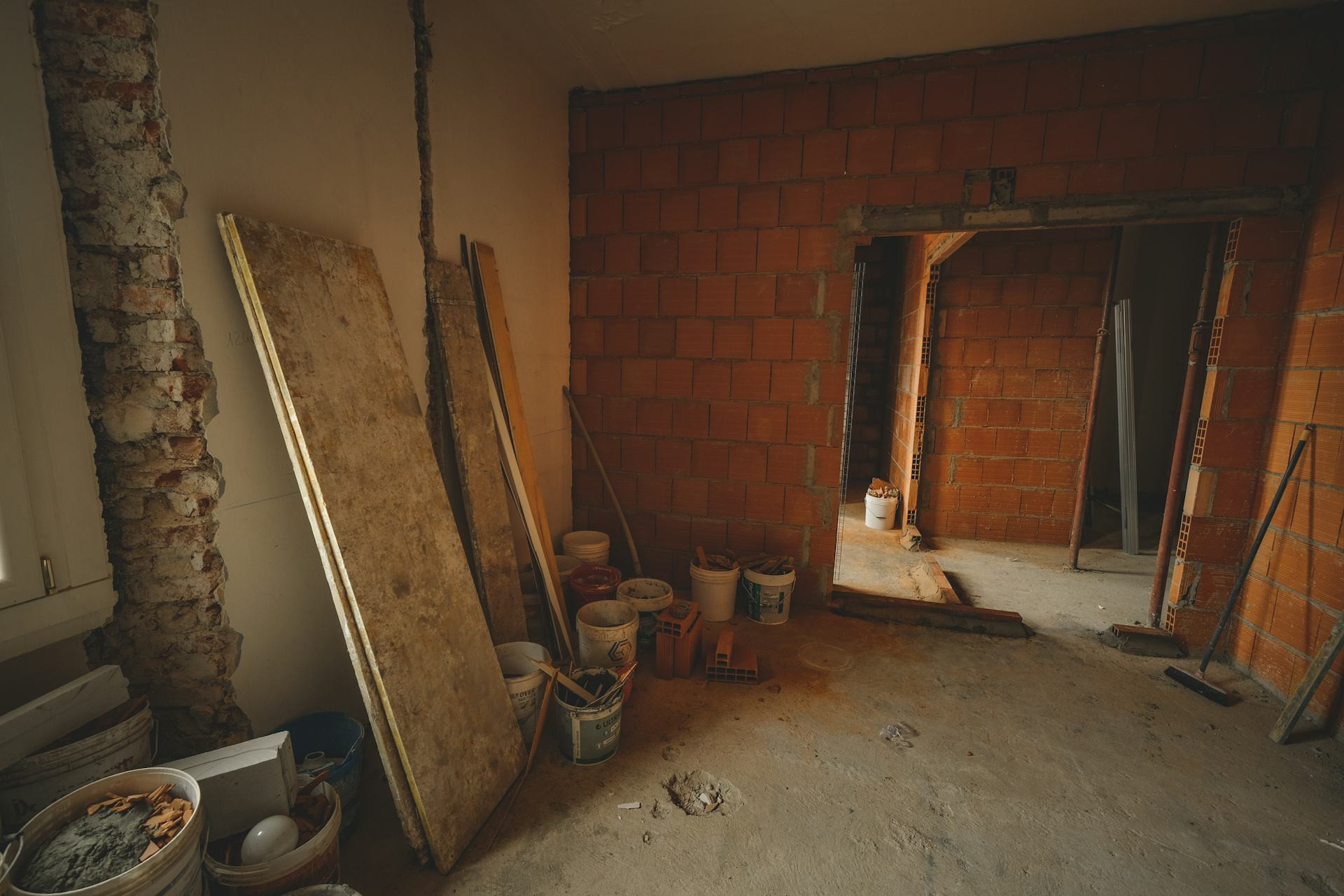
Properly Clean and Care for New Surfaces After Renovation
When a renovation is finally complete, your home may look fresh and new—but it’s also likely covered in fine dust, debris, and residue from construction materials. New surfaces—whether hardwood floors, tile, painted walls, or countertops—need special attention to maintain their appearance and durability. The first cleaning and ongoing care can make the difference between a lasting, beautiful result and surfaces that quickly lose their shine. Here’s a guide to properly clean and care for your new finishes after renovation.
Start with a Thorough Construction Dust Cleanup
After contractors leave, fine dust often lingers everywhere—even in places you wouldn’t expect. Before wiping or washing anything, start by vacuuming thoroughly with a vacuum equipped with a HEPA filter. This prevents fine dust from being recirculated into the air.
Work methodically:
- Begin at the top—ceilings, walls, window sills—and move downward.
- Use soft attachments on delicate surfaces like hardwood floors and painted walls.
- Don’t forget vents, baseboards, and light fixtures where dust tends to collect.
Once the dust is removed, you can move on to deeper cleaning.
The First Cleaning of New Floors
New floors—especially wood and tile—require gentle care. They can be sensitive to moisture, chemicals, and harsh cleaners.
- Hardwood floors: Use a slightly damp mop and a mild cleaner formulated for wood. Avoid all-purpose cleaners, which can strip protective finishes. If the floor is unfinished or oil-treated, consider applying a fresh coat of oil after the first cleaning to seal and protect it.
- Tile and stone floors: Remove any grout haze with a damp sponge and clean water. Then use a pH-neutral cleaner. Avoid acidic products, which can damage grout and natural stone.
- Vinyl and laminate: These materials should only be cleaned with a lightly damp mop and a gentle, non-wax, non-ammonia cleaner.
Allow floors to dry completely before moving furniture back in—moisture can damage both the surface and the subfloor.
Cleaning Walls and Ceilings
Freshly painted walls and ceilings need time to cure before they can handle moisture. Wait at least a week before wiping them down. Use a soft cloth dampened with clean water, and avoid scrubbing too hard—especially on matte finishes, which can become shiny if rubbed.
If you notice stubborn spots or dust, use a mild soap solution, but always test it in an inconspicuous area first.
Caring for Countertops and Fixtures
Kitchen and bathroom countertops are among the most used surfaces in any home. After renovation, they may have traces of dust, adhesive, or silicone.
- Wood countertops: Wipe with a damp cloth and mild soap. Once dry, apply a coat of food-safe oil to nourish the wood and protect it from moisture.
- Natural stone (marble, granite): Use only cleaners designed for stone. Regular soap or acidic products can etch or dull the surface.
- Laminate and composite: Clean with a damp cloth and a neutral cleaner. Avoid abrasive products that can scratch the finish.
Windows, Doors, and Finishing Details
Windows, doors, and trim often collect dust and construction residue in corners and hardware. Use a microfiber cloth and clean water to remove dust, then finish glass surfaces with a streak-free glass cleaner. Don’t forget door handles, light switches, and baseboards—small details that make a big difference in the overall look.
Ongoing Maintenance
Once the initial cleaning is done, regular gentle maintenance will keep your new surfaces looking their best. Frequent light cleaning is better than occasional heavy scrubbing. Always use products suited to each material and avoid excessive water.
A simple maintenance plan can help:
- Weekly vacuuming and dusting.
- Monthly deep cleaning of floors and surfaces.
- Annual re-oiling or resealing of wood and other treated materials.
This routine helps prevent minor wear from turning into major damage.
Keeping Your Home Looking New
After a renovation, it’s tempting to simply enjoy the results—but proper cleaning and care are the best investments you can make in your new space. They extend the life of your materials, preserve their beauty, and ensure that your home continues to look and feel fresh for years to come.