Professional or Hobby Equipment? How to Choose the Right Tools for Your Painting Project

Professional or Hobby Equipment? How to Choose the Right Tools for Your Painting Project
When you’re getting ready to paint your home, it can be tempting to grab the cheapest brushes and rollers from the hardware store. But the difference between hobby-grade and professional tools can have a big impact on both your results and your experience. Are you painting a single room, or tackling a full home makeover? Here’s how to choose the right equipment for your project.
What Defines Professional Equipment?
Professional painting tools are designed for frequent use and long work sessions. They’re typically made from higher-quality materials, offering better precision, durability, and comfort. A professional-grade brush keeps its shape after hours of use, and a quality roller applies paint evenly without leaving streaks or lint behind.
Ergonomics also play a major role. A well-balanced handle, comfortable grip, and easy-to-clean materials make the job faster and more enjoyable. It might seem like a small detail, but when you’re holding a brush for hours, comfort matters.
When Hobby Equipment Is Enough
If you’re painting a single room or doing small touch-ups, hobby-level tools can be a smart and budget-friendly choice. Many mid-range products available at U.S. home improvement stores like Home Depot or Lowe’s are perfectly adequate for smaller projects—just avoid the absolute cheapest options.
For a quick weekend project, a standard roller and a good all-purpose brush may be all you need. The key is to match your tools to the type of paint you’re using—different brushes and rollers are designed for latex, oil-based, or specialty finishes.
Brushes and Rollers – Where to Invest
If you’re going to splurge on one thing, make it your brushes and rollers. They have the biggest impact on the final look. A cheap brush can shed bristles and leave uneven edges, while a high-quality roller ensures a smooth, consistent finish.
- Brushes: Use synthetic bristles for water-based (latex) paints and natural bristles for oil-based paints. An angled sash brush is perfect for cutting in along edges and corners.
- Rollers: For smooth walls, choose a short-nap roller; for lightly textured surfaces, go with a medium nap.
- Extension pole: A sturdy pole saves your back and shoulders, especially when painting ceilings or tall walls.
A good tip is to buy one high-quality set and take care of it. Clean your brushes and rollers thoroughly after each use, and they’ll last for years.
Paint Sprayer or Brush – Which Should You Choose?
Paint sprayers have become more accessible for homeowners, but they require some practice. They deliver a smooth, even coat on large surfaces but need careful masking and thorough cleaning afterward. If you only paint occasionally, it may not be worth buying an expensive sprayer—renting one from a local hardware store can be a great alternative.
For smaller projects like trim, furniture, or detailed work, brushes and rollers are still the most flexible and forgiving tools. They offer better control and less waste.
Accessories That Make Painting Easier
Small accessories can make a big difference in both speed and quality. Consider adding these to your toolkit:
- Painter’s tape and plastic sheeting – protect floors, trim, and furniture.
- Paint bucket with grid – helps distribute paint evenly on your roller.
- Stir sticks and strainers – ensure smooth, lump-free paint.
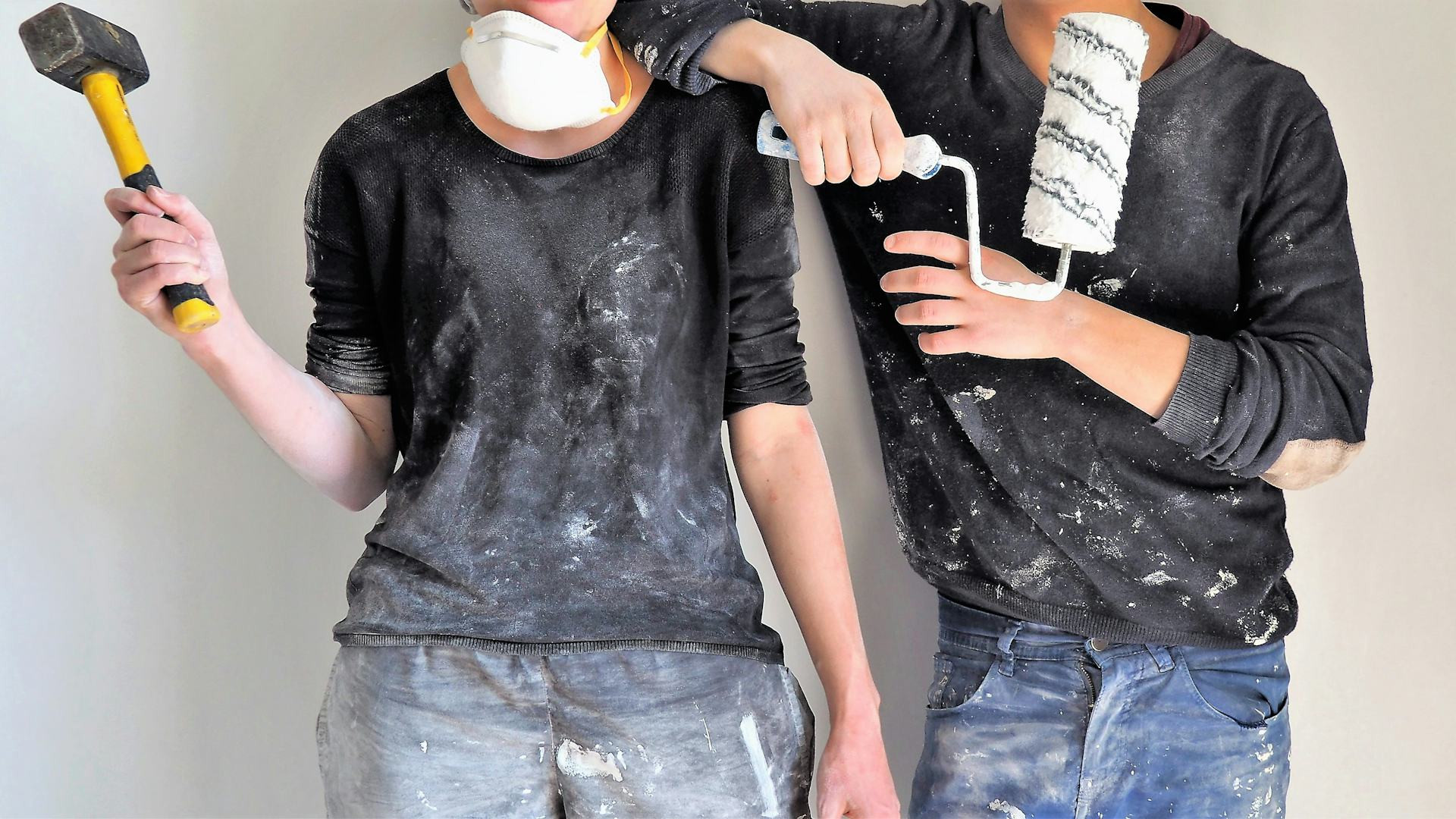
- Quality gloves and work clothes – keep you comfortable and protect your skin.
Even the best tools can’t make up for poor preparation, so take time to sand, patch, and clean your surfaces before painting.
Finding the Right Balance
It’s not about buying the most expensive gear—it’s about choosing tools that fit your project and your goals. A good rule of thumb: the larger and more visible the project, the more it pays to invest in quality.
Professional tools deliver a smoother finish and last longer, but hobby tools can be perfectly fine for smaller jobs. The most important thing is to work with equipment that feels comfortable and helps you paint efficiently and accurately.
A Great Finish Starts with the Right Tools
A successful paint job isn’t just about color or technique—it’s also about the tools you use. With the right equipment, the work becomes easier, faster, and more enjoyable, and you’ll end up with a result you can be proud of. Whether you choose professional or hobby-grade tools, make your selection thoughtfully—it’s an investment that pays off in the long run.