Prevent Fire Hazards in the Workshop with Simple Measures

Prevent Fire Hazards in the Workshop with Simple Measures
A workshop is a place for creativity, craftsmanship, and repair work—but it can also be a place where fire hazards hide if you’re not careful. Sparks from tools, overloaded outlets, oily rags, and sawdust can quickly turn into a dangerous mix. Fortunately, with a few simple precautions, you can greatly reduce the risk and create a safe environment where you can focus on your projects with peace of mind.
Know the Common Fire Risks
The first step in preventing fires is understanding where the danger comes from. In many home workshops, three main sources stand out:
- Electrical equipment and wiring – old extension cords, frayed cables, or overloaded power strips can overheat and ignite.
- Flammable materials – sawdust, paint, solvents, and oil-soaked rags can catch fire if stored improperly.
- Sparks and heat – from grinders, soldering irons, or welding equipment can ignite dust or vapors nearby.
By recognizing these risks, you can take targeted steps to make your workspace safer.
Keep It Clean and Organized
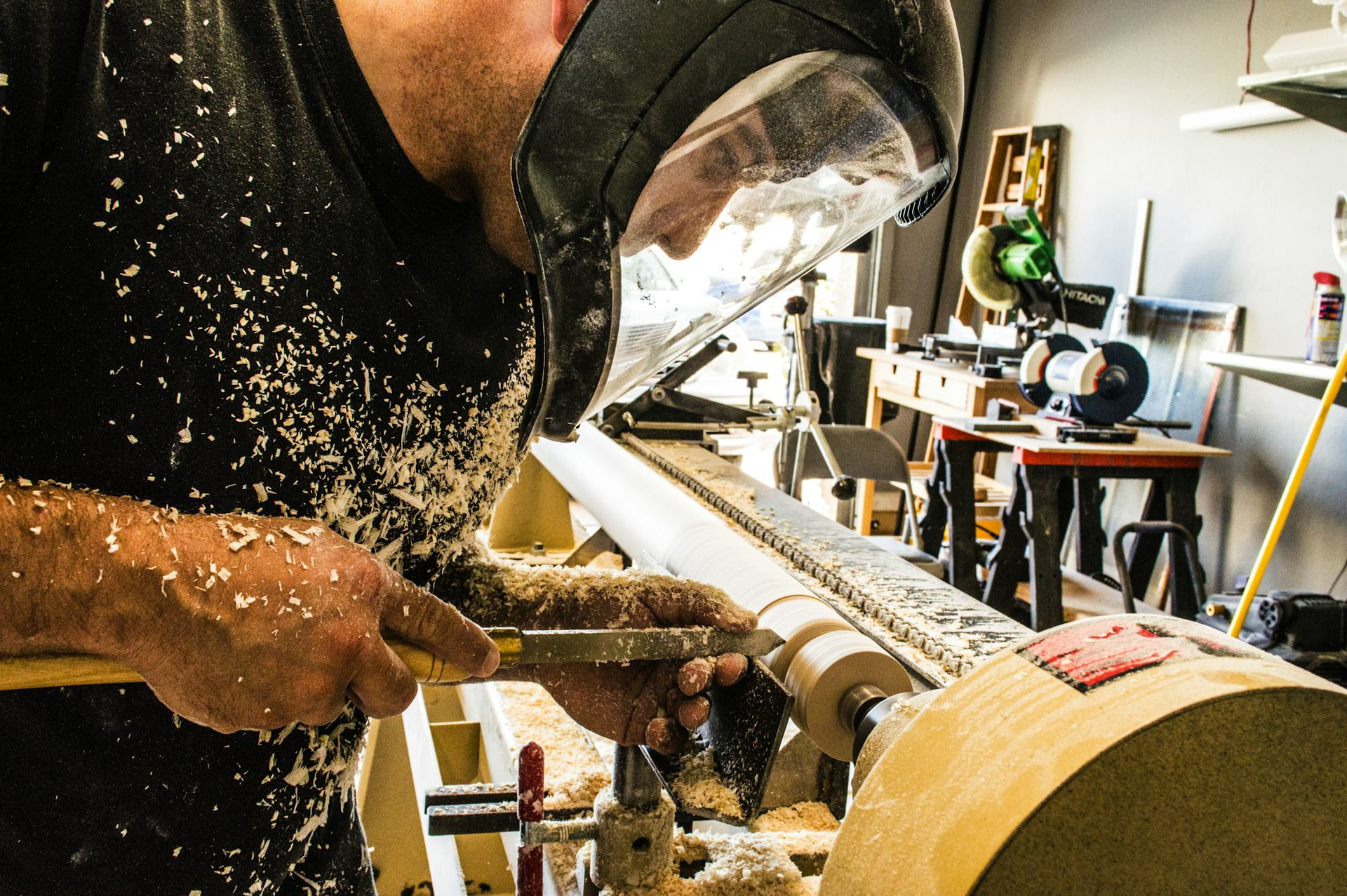
A cluttered workshop isn’t just inconvenient—it’s a fire hazard. Sawdust, cardboard, and oily rags can self-ignite if left in piles. Make it a habit to:
- Sweep or vacuum regularly, especially around machines and electrical outlets.
- Store oily rags in a sealed metal container.
- Dispose of scrap materials and trash after each project.
A tidy workspace not only looks better but also helps you spot potential hazards before they become serious.
Inspect Electrical Systems and Tools
Electrical issues are one of the leading causes of workshop fires. Regularly check your setup to ensure everything is in good condition:
- Use UL-listed power strips with built-in circuit breakers, and avoid daisy-chaining multiple strips.
- Replace cords that are cracked, frayed, or discolored.
- Unplug tools and chargers when not in use—even for short breaks.
- If you have multiple heavy-duty machines, consider having a licensed electrician inspect your wiring.
A quick inspection can prevent costly damage and keep your workshop safe.
Store Chemicals and Flammable Liquids Properly
Paints, varnishes, thinners, and gasoline are among the most flammable materials in a workshop. Always store them in tightly sealed containers, preferably in a flammable storage cabinet or a separate, well-ventilated area.
Avoid leaving open cans or bottles on your workbench, and never transfer chemicals into unsuitable containers like plastic soda bottles or jars without lids. When using spray paint or solvents, work in a well-ventilated space away from open flames or heat sources.
Keep Fire Safety Equipment Ready
Even with good prevention, accidents can happen. Be prepared to act quickly by keeping the right equipment on hand:
- A multi-purpose (ABC) fire extinguisher, at least 5 pounds, mounted in an easy-to-reach location.
- A fire blanket for smothering small fires on clothing or work surfaces.
- A smoke alarm on the ceiling to provide early warning.
Check your safety equipment at least once a year, and make sure everyone in your household knows how to use it.
Build Safe Habits
Fire prevention is mostly about consistent habits. Turn off all electrical equipment when you’re done. Clean up before leaving. Never smoke or use open flames in the workshop.
If you’re working with heat-producing tools like welders or soldering irons, stay nearby until you’re sure everything has cooled down. Many fires start after someone has left the room.
A Safe Workshop Fuels Creativity
Your workshop should be a place for inspiration and craftsmanship—not worry. With simple steps like keeping things organized, storing materials safely, and maintaining your safety gear, you can minimize fire risks and work with confidence.
Fire prevention doesn’t require big investments—just awareness and good routines. A little care goes a long way toward protecting both your safety and your workshop.