Plan a Safe Construction Project with a Focus on Design and Material Selection

Plan a Safe Construction Project with a Focus on Design and Material Selection
A successful construction project begins long before the first shovel hits the ground. Safety, durability, and efficiency all depend on careful planning, smart design, and the right choice of materials. Whether you’re building a new home, adding an extension, or renovating an existing structure, it’s essential to integrate safety and quality from the start. This guide will help you plan a construction project that’s structurally sound, energy-efficient, and built to last.
Start with a Strong Foundation
The foundation is the backbone of any building. It supports the entire structure and must withstand weight, moisture, and shifting soil. Before construction begins, have a geotechnical survey or soil test performed. This will determine the type of foundation needed—such as a slab-on-grade, crawl space, or full basement—based on local soil conditions and climate.
A properly designed and constructed foundation prevents settling, cracking, and water intrusion. Include drainage systems and moisture barriers to keep water away from the structure. Investing in a solid foundation pays off in long-term stability and reduced maintenance costs.
The Structure – The Building’s Framework
Once the foundation is in place, the next step is choosing the right structural system. The choice depends on the building’s purpose, size, and design preferences:
- Wood framing is common in residential construction across the U.S. It’s cost-effective, flexible, and easy to work with, but it must be properly treated and protected against moisture and pests.
- Masonry construction—using brick, block, or stone—offers excellent durability, fire resistance, and sound insulation.
- Concrete structures are ideal for large or multi-story buildings where strength and fire resistance are priorities.
- Steel framing provides design flexibility and is often used in commercial or industrial projects.
No matter the system, ensure that all load-bearing elements are correctly sized and installed according to local building codes and engineering standards. Consulting a licensed structural engineer can help verify that your design meets safety and performance requirements.
Choosing the Right Materials – Think Long-Term and Sustainable
Material selection affects not only the building’s appearance but also its longevity, maintenance needs, and environmental footprint. When choosing materials, consider durability, maintenance, and sustainability.
- Durable materials like brick, concrete, and stone require less upkeep and have long service lives.
- Wood adds warmth and character but needs proper sealing and ventilation to prevent rot and insect damage.
- Insulation materials such as fiberglass, cellulose, or spray foam influence both energy efficiency and indoor comfort. Choose products with high R-values and low environmental impact.
- Finishes and coatings should be selected for both aesthetics and function—opt for low-VOC paints and breathable materials that help manage indoor humidity.
Sustainable building materials—such as recycled steel, reclaimed wood, or low-carbon concrete—are increasingly popular. They can reduce your project’s environmental impact and may qualify for green building certifications like LEED.
Fire Safety and Structural Stability
Fire safety is a critical part of any construction project. Materials and assemblies must meet fire-resistance ratings to allow safe evacuation and protect structural integrity during a fire. Use fire-rated drywall, insulation, and doors where required, and ensure that fire barriers and egress routes are properly designed.
Structural stability also means accounting for wind, snow, and seismic loads. In many parts of the U.S., building codes specify design requirements for these forces. Proper connections, bracing, and anchoring are essential to prevent structural failure during extreme weather or earthquakes.
Moisture Control, Ventilation, and Indoor Air Quality
A safe building is not only strong but also healthy. Moisture management is key to preventing mold, rot, and structural damage. Install effective drainage systems, vapor barriers, and roof flashing to keep water out. Proper ventilation—both natural and mechanical—helps control humidity and maintain good indoor air quality.
Choose materials that contribute to a healthy indoor environment, such as low-emission paints, adhesives, and flooring. Good air quality supports occupant health and extends the life of the building.
Collaboration and Quality Assurance
Safe construction depends on teamwork. Architects, engineers, contractors, and inspectors must work together from design through completion. Develop detailed plans and specifications, and ensure that all work is inspected and documented throughout the process. Regular site meetings and clear communication help prevent errors and delays.
Implement a quality assurance plan that includes testing, inspections, and record-keeping. This ensures compliance with codes and standards and provides peace of mind that the project is built to last.
Safety During Construction
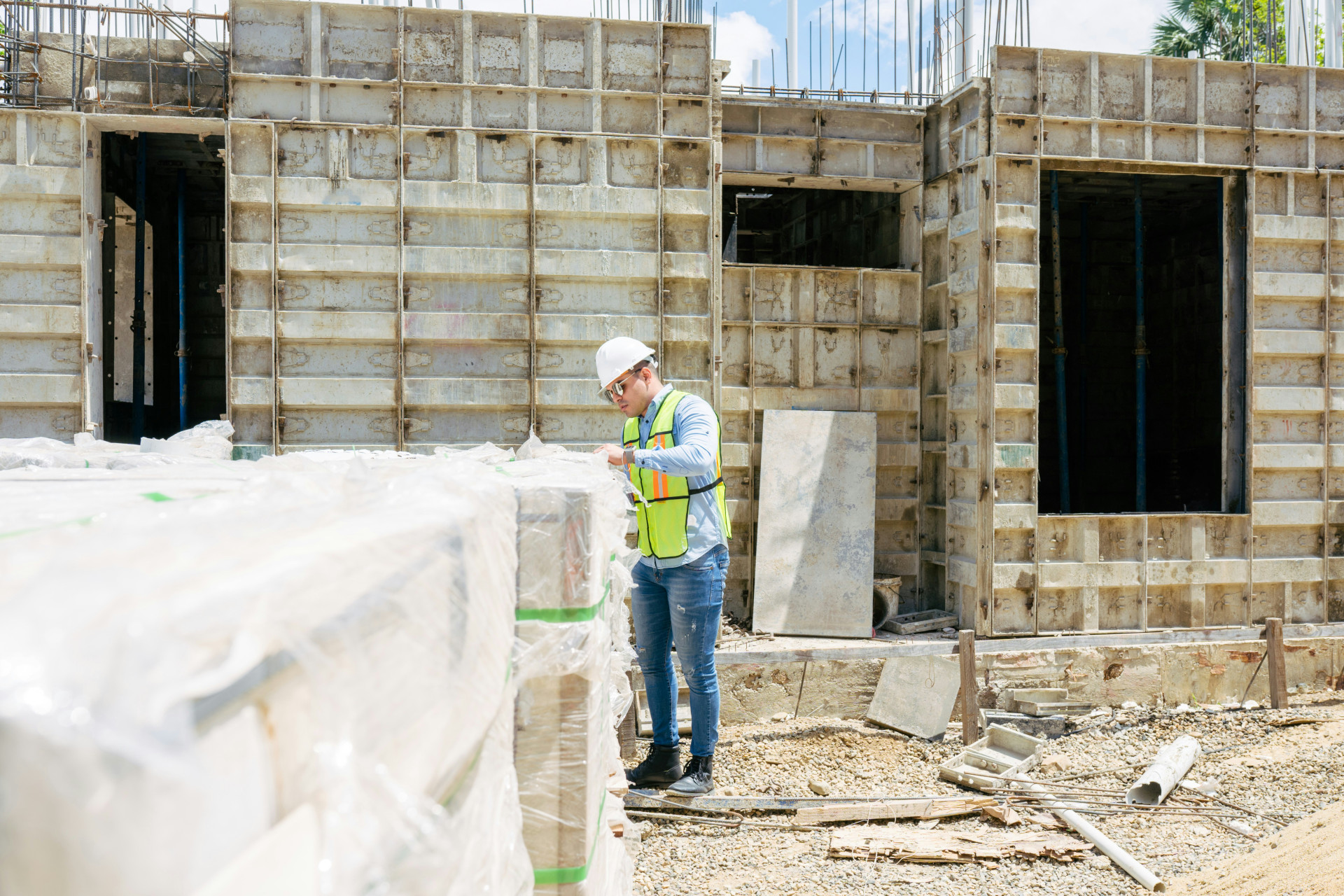
Safety doesn’t end with design—it continues on the job site. Follow OSHA regulations for construction safety, including proper use of scaffolding, fall protection, and personal protective equipment. A clean, organized site reduces the risk of accidents and keeps the project on schedule.
Provide safety training for all workers and ensure that emergency procedures are in place. A safe work environment protects both people and the project’s success.
Building for the Future
A well-planned construction project is an investment in safety, comfort, and sustainability. By focusing on sound design, quality materials, and careful execution, you create a building that stands strong for generations. The result is more than just a structure—it’s a safe, efficient, and enduring space that provides security and value for years to come.