Pavements and Walkways: Maintenance That Extends Their Lifespan

Pavements and Walkways: Maintenance That Extends Their Lifespan
Pavements and walkways are essential features of any property—both for their appearance and their practicality. They define outdoor spaces, provide safe footing, and help manage rainwater runoff. But like any surface exposed to weather and wear, they need regular care to stay attractive and durable. With the right maintenance, you can significantly extend their lifespan and avoid costly repairs.
Know Your Material—and Its Needs
The first step in proper maintenance is understanding what your pavement is made of. Different materials require different care:
- Concrete is strong and versatile but can develop stains, algae, or cracks over time. It can be pressure-washed, but use moderate pressure to avoid damaging the surface.
- Natural stone such as granite, slate, or flagstone is porous and should be cleaned gently with a brush and mild detergent.
- Gravel paths need periodic raking and refilling to maintain an even, stable surface.
- Wooden walkways or decks should be cleaned of algae and treated with sealant or oil to resist moisture and sun damage.
Choosing the right cleaning and maintenance method for your material prevents unnecessary wear and keeps the surface looking its best.
Cleaning and Preventing Algae Growth
Algae and moss are common problems, especially in shaded or damp areas. They not only discolor surfaces but can also make them slippery. Regular sweeping and removing leaves or debris helps reduce moisture and organic buildup that encourage growth.
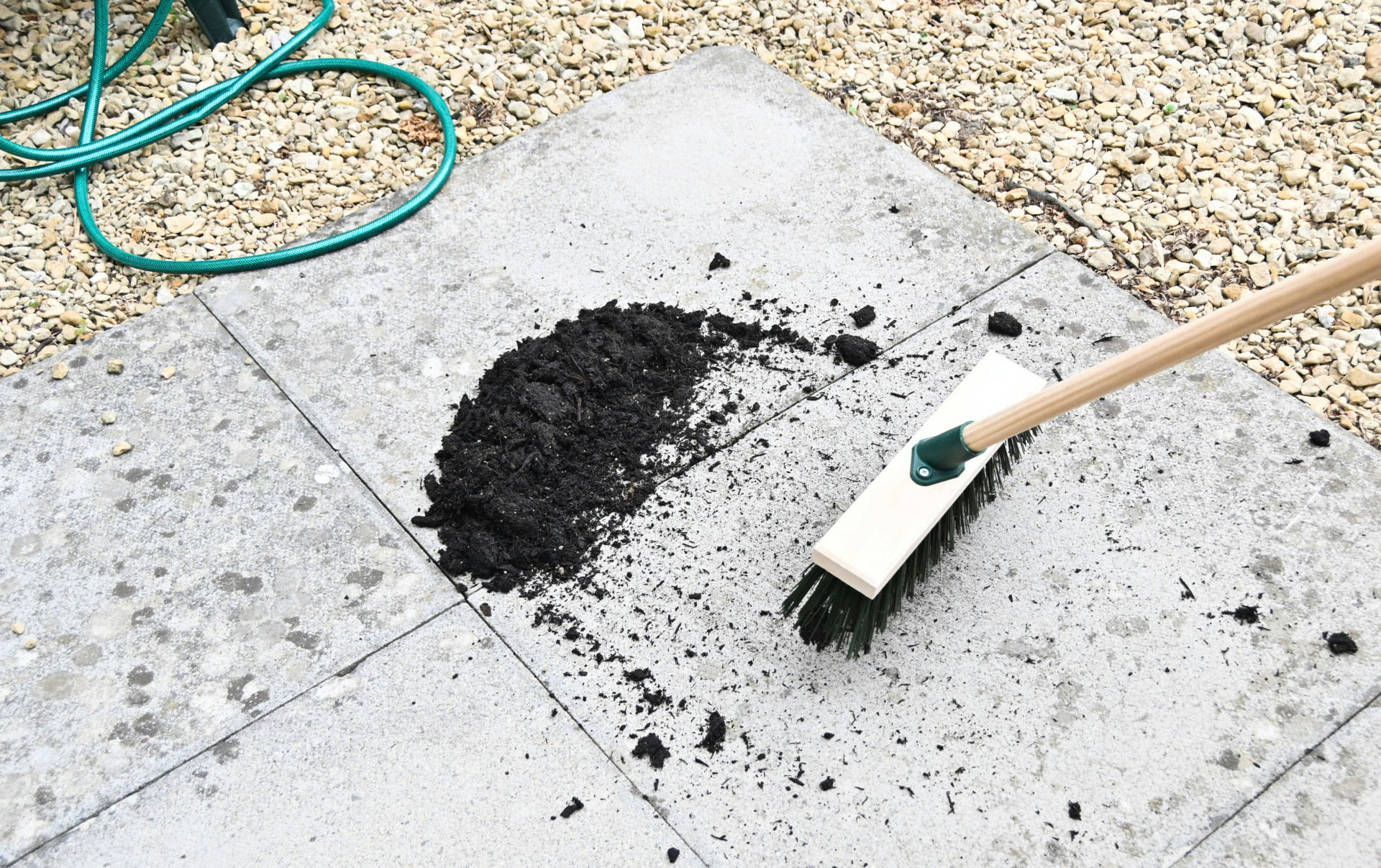
For cleaning, use a stiff brush and warm, soapy water. Avoid harsh chemical cleaners when possible—they can harm both the environment and the surface. If you use a pressure washer, keep the nozzle at a safe distance and use low pressure to avoid dislodging joint sand or damaging the material.
Keep the Joints Tight
The joints between pavers or stones do more than just fill gaps—they stabilize the surface and help prevent weed growth. Over time, rain and cleaning can wash away joint sand. Refill joints regularly with polymeric or weed-inhibiting sand to maintain stability.
If you notice uneven or rocking pavers, it may indicate that the base has settled. In that case, lift the affected pieces, level the base, and reinstall them properly.
Drainage and Water Management
Water is one of the biggest threats to pavements. Poor drainage can lead to pooling, erosion, and freeze-thaw damage in colder climates. Make sure your walkways slope slightly away from buildings and that drains or gutters are clear of debris.
For larger paved areas, consider installing drainage channels or gravel trenches to direct water away safely. Proper drainage not only prevents damage but also helps keep surfaces cleaner and drier.
Seasonal Maintenance
Maintenance is most effective when done seasonally:
- Spring: Clean off winter grime, remove moss, and refill joints.
- Summer: Sweep regularly and control weeds.
- Fall: Clear leaves and check that drainage systems are working.
- Winter: Avoid using rock salt on concrete or stone—it can cause surface damage. Use sand or gravel for traction instead.
A consistent routine makes it easier to keep your pavements safe and attractive year-round.
When Repairs Are Needed
Even with good care, damage can occur. Cracked or uneven sections should be repaired promptly to prevent further deterioration. Replacing a few damaged pavers or patching small cracks early can save you from larger repairs later.
For extensive damage or recurring drainage issues, it’s wise to consult a professional who can assess the base and recommend long-term solutions.
An Investment in Safety and Longevity
Well-maintained pavements and walkways enhance curb appeal, improve safety, and add value to your property. Regular upkeep extends their lifespan, reduces replacement costs, and keeps your outdoor spaces functional and inviting.
With a bit of planning and consistent care, your pavements can remain strong, stable, and beautiful for many years to come.