Paint Outdoors Safely – Protect Yourself from Sun, Dust, and Paint Fumes

Paint Outdoors Safely – Protect Yourself from Sun, Dust, and Paint Fumes
When the weather is warm and sunny, it’s tempting to tackle outdoor painting projects. But even though painting outside may seem harmless, it comes with a few health and safety risks. Sun exposure, sanding dust, and paint fumes can all cause discomfort or harm if you’re not careful. Here’s a practical guide to help you paint outdoors safely while protecting your skin, lungs, and overall well-being.
Plan Around the Weather
Before you start, check the forecast. Avoid painting in direct sunlight during the hottest part of the day, when both you and the paint can overheat. Early morning or late afternoon are usually the best times to work, as temperatures are cooler and the light is softer.
Watch out for rain and wind as well. Rain can ruin fresh paint, while strong winds can blow dust and paint particles around—making it harder to control your work and protect yourself.
Protect Your Skin from the Sun
Even short periods in the sun can lead to sunburn when you’re working outdoors for hours. Always apply a broad-spectrum sunscreen with SPF 30 or higher to exposed areas like your neck, ears, arms, and legs. Reapply every couple of hours, especially if you’re sweating.
Wear lightweight, long-sleeved clothing made from breathable fabric to shield your skin from both sun and paint splatter. A wide-brimmed hat or a cap with a neck flap can also help keep you cool and protected.
Avoid Breathing Dust and Fumes
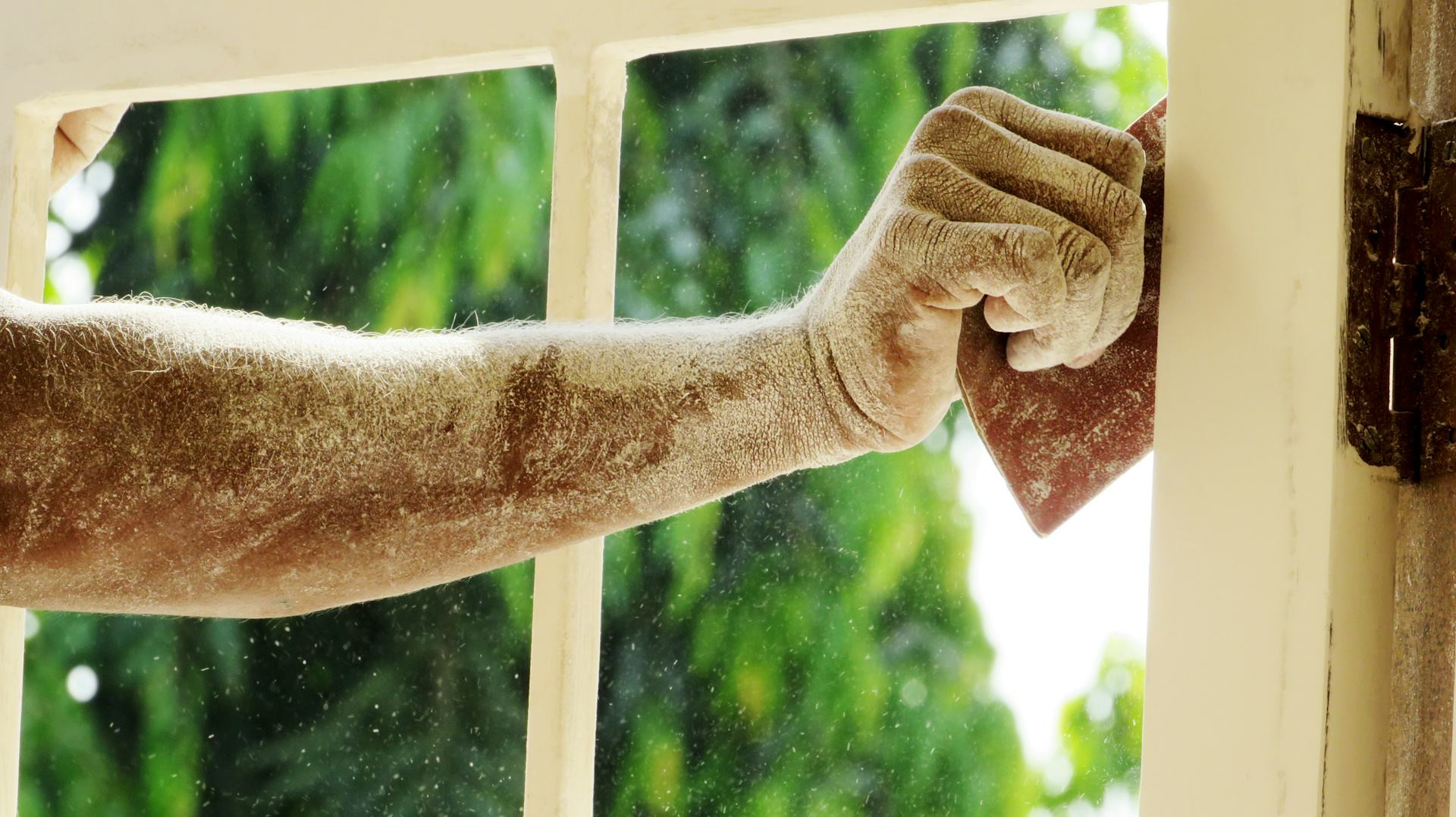
Sanding old surfaces can release dust that may contain mold, old paint particles, or even lead if the structure was built before 1978. Always wear a properly fitted respirator or dust mask rated N95 or higher when sanding. If you suspect lead paint, follow EPA guidelines for lead-safe work practices and avoid dry sanding.
When painting, fumes from solvents can irritate your eyes and lungs or cause headaches. Choose water-based paints whenever possible, and make sure you have plenty of ventilation—even outdoors. Don’t lean directly over paint cans or breathe in freshly applied paint fumes.
Use Gloves and Eye Protection
Paints, stains, and sealants can contain chemicals that irritate the skin. Wear nitrile or latex gloves while working, and replace them if they tear. If you’re using a sprayer or painting overhead, wear safety goggles to protect your eyes from splashes.
After finishing, wash your hands and face thoroughly with soap and water—even if you wore gloves. Avoid using paint thinner or other solvents on your skin, as they can cause dryness and irritation.
Take Breaks and Stay Hydrated
Painting outdoors can be physically demanding, especially in summer heat. Take regular breaks in the shade and drink plenty of water throughout the day. Avoid alcohol and energy drinks, which can dehydrate you. If you start feeling dizzy, get a headache, or feel nauseated, stop working and move to a cooler area—these can be signs of heat exhaustion.
Protect Your Surroundings
Outdoor painting affects more than just you. Keep children and pets away from the work area, and cover nearby plants, furniture, and walkways to prevent paint splatter. Never pour leftover paint or rinse water down the drain or onto the ground—take it to a local hazardous waste collection site instead.
A Safe and Satisfying Result
Painting outdoors can be a rewarding way to refresh your home’s appearance and protect it from the elements. With a little planning, the right protective gear, and attention to safety, you can achieve great results—without putting your health or the environment at risk.