Nature-Inspired Offices – Boost Well-Being and Focus

Nature-Inspired Offices – Boost Well-Being and Focus
Across the United States, more people are discovering that nature can be a powerful ally in creating calm, focus, and creativity—even in front of a computer screen. Nature-inspired office design isn’t just about adding a few plants or painting the walls green. It’s about shaping an environment that supports our innate need for light, air, and balance. Here’s how you can bring the outdoors in and enhance both well-being and concentration at work.
Why Nature Works
Humans are wired to connect with nature. Studies from institutions like Harvard and Cornell have shown that exposure to natural elements can lower stress, improve focus, and boost overall happiness. Even small touches—a leafy plant on your desk or a photo of a forest—can make a measurable difference.
When we surround ourselves with natural materials, colors, and shapes, our brains respond as if we were outdoors. This helps us recharge mentally and stay calm, which is especially valuable in a fast-paced, screen-heavy workday.
Green Elements That Make a Difference
Plants are the easiest and most effective way to bring nature into your workspace. They clean the air, reduce noise, and add life to the room. Some low-maintenance favorites include:
- Peace Lily – thrives in low light and helps purify the air.
- Rubber Plant – sturdy and elegant with glossy leaves.
- Pothos – grows quickly and tolerates a variety of conditions.
- Snake Plant – nearly indestructible and great for air quality.
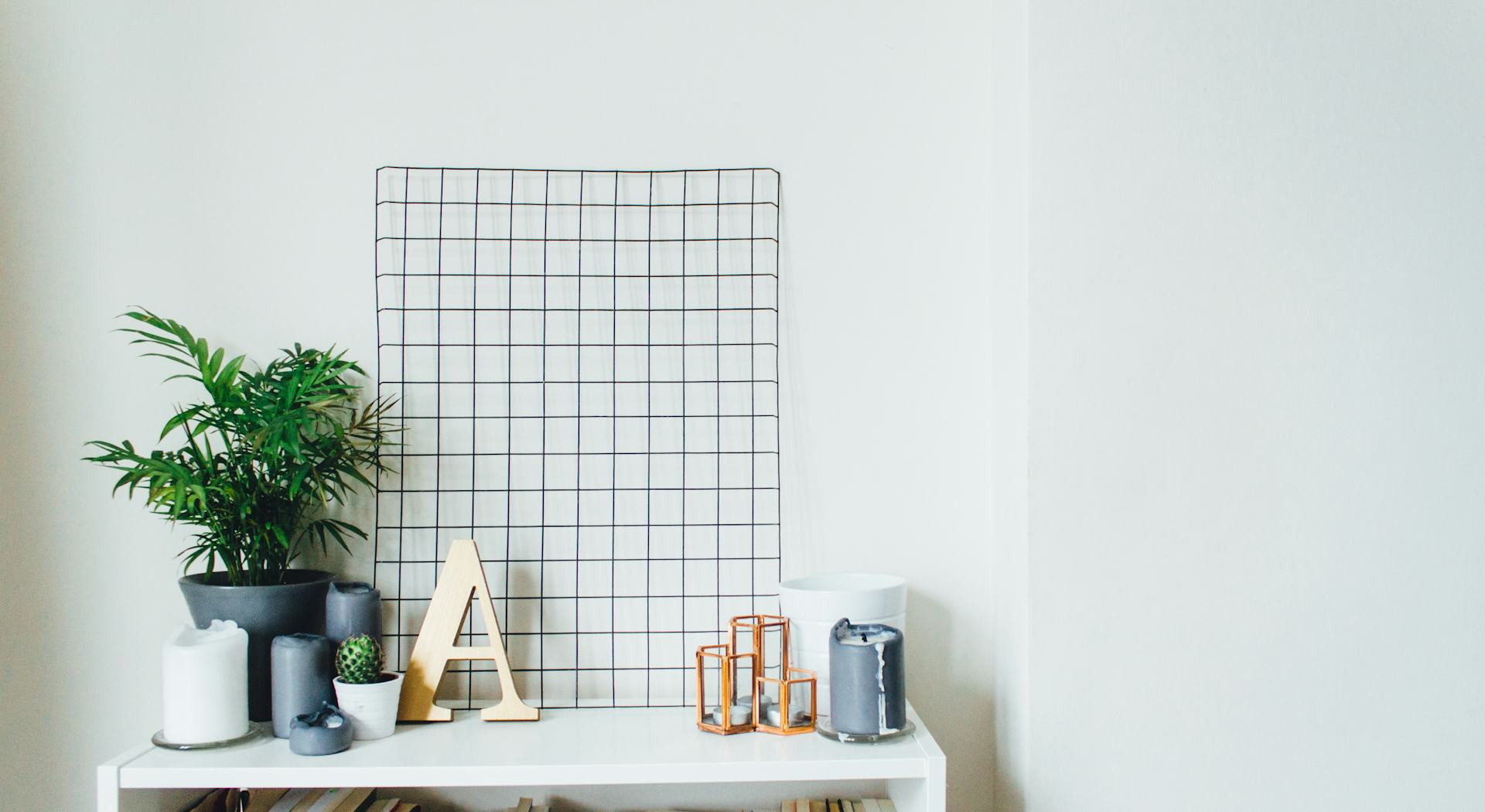
If you’re not confident in your plant-care skills, consider preserved moss walls, dried arrangements, or nature-themed artwork that provides the same visual calm.
Light and Air – Nature’s Essentials
Natural light is one of the most important factors for mood and productivity. Position your desk near a window if possible, and avoid heavy curtains that block daylight. If your office lacks windows, use adjustable lamps with warm, full-spectrum bulbs that mimic the sun’s rhythm throughout the day.
Fresh air is equally vital. Open windows when you can, or use air-purifying plants and filters to keep the atmosphere clean. A healthy indoor climate helps you stay alert and reduces afternoon fatigue.
Materials and Colors That Bring Calm
Wood, stone, wool, and bamboo add warmth and texture reminiscent of the outdoors. Try a light wood desk, a wall in soft earth tones, or a chair upholstered in natural fabric. Shades of green, blue, and sand are known to have a soothing effect and can help reduce stress.
Even small details—a wooden picture frame, a ceramic mug, or a smooth river stone—can ground your space in nature’s aesthetic and make it feel more personal.
Create Small Nature Breaks
Bringing nature into your workday isn’t only about design—it’s also about habits. Short breaks that connect you with nature can make a big difference. Step outside for a few minutes, look out the window, or take a moment to water your plants and breathe deeply.
These small pauses help your mind reset and regain focus. They’re a simple, sustainable way to prevent burnout and maintain steady energy throughout the day.
Nature as Part of Workplace Culture
More U.S. companies are embracing biophilic design—a concept that integrates natural elements into architecture and interiors—as part of their wellness and engagement strategies. This can include living walls, natural materials, outdoor meeting areas, or flexible work zones with plenty of daylight.
When nature becomes part of the workplace culture, it sends a clear message: employee well-being matters. The result is often higher creativity, stronger collaboration, and greater job satisfaction.
Simple Steps Toward a Greener Office
You don’t need a full renovation to make your workspace more nature-friendly. Start small:
- Add a plant or two to your desk.
- Replace synthetic materials with wood or fabric.
- Improve lighting and airflow.
- Take short outdoor breaks during the day.
Over time, these small changes can transform your office into a place that not only supports productivity—but also feels good to be in.