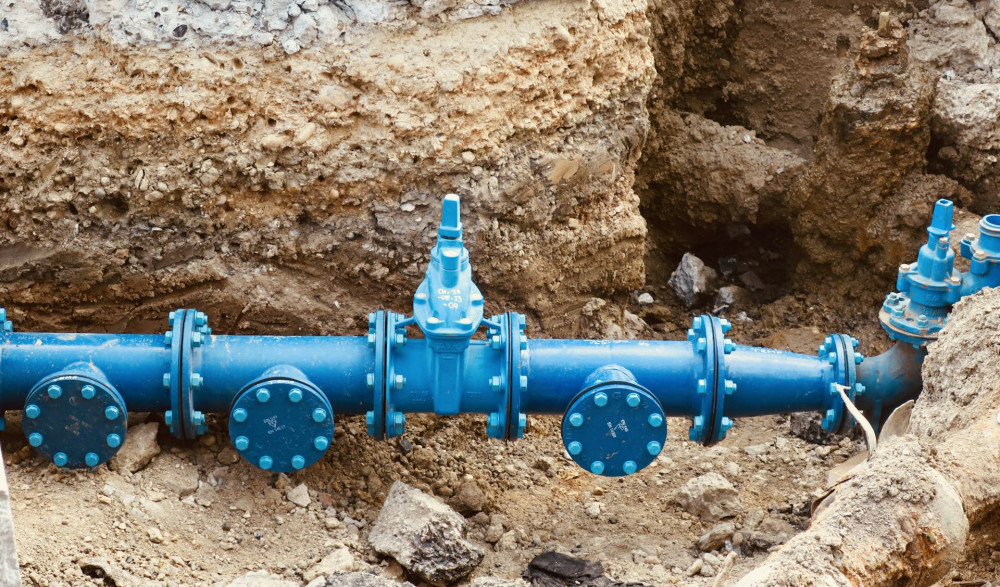
Minimize Construction Waste with Good Planning

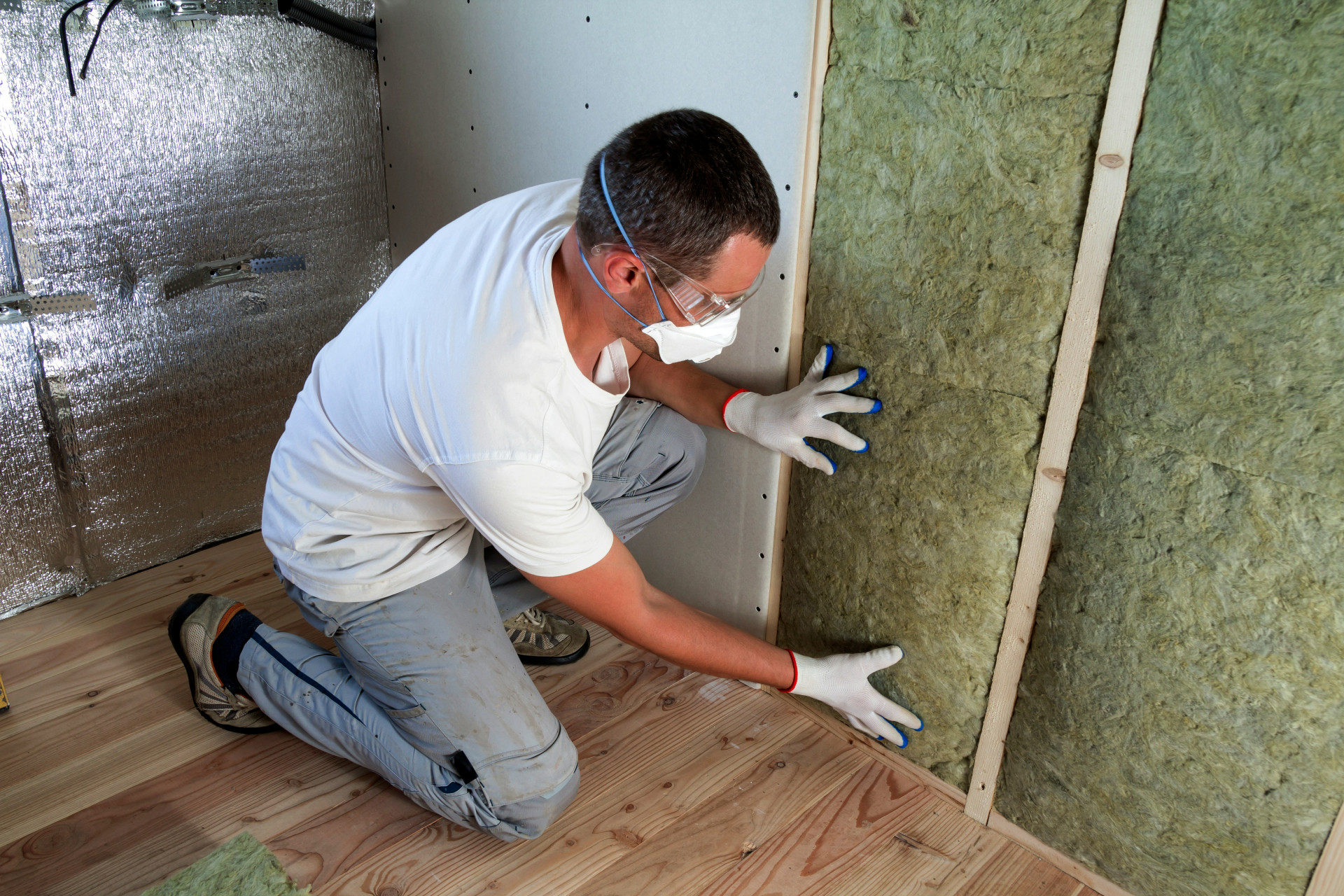
Minimize Construction Waste with Good Planning
Construction and demolition waste make up a significant portion of the total waste generated in the United States. Every new build, renovation, or teardown produces large amounts of materials—many of which could have been reused, recycled, or avoided altogether. With careful planning, both homeowners and professional contractors can dramatically reduce waste, saving money and protecting the environment. Here’s how good planning can help you minimize construction waste.
Plan for Waste Reduction from the Start
The best opportunity to reduce waste comes long before construction begins. During the design and planning phase, think about how materials can be used efficiently and how unnecessary leftovers can be avoided.
- Design to standard dimensions – Using standard sizes for drywall, lumber, and tiles helps minimize offcuts and waste.
- Choose adaptable designs – Structures that can be disassembled make it easier to reuse materials in the future.
- Plan logistics carefully – Schedule deliveries in the right order and quantity to prevent damage and excess materials.
Early collaboration between architects, contractors, and tradespeople ensures that waste prevention becomes an integral part of the project—not an afterthought.
Choose Materials Wisely
Material selection has a major impact on both waste generation and environmental footprint. Opting for durable, recyclable, and responsibly sourced materials can reduce the need for replacement and disposal.
- Use reclaimed materials – Consider reclaimed wood, bricks, doors, or fixtures. Many U.S. salvage yards and online marketplaces offer high-quality materials with character and history.
- Select modular systems – Products designed for easy assembly and disassembly can be repaired or reused instead of discarded.
- Look for certified products – Seek materials with sustainability certifications such as FSC (Forest Stewardship Council) or Cradle to Cradle.
By thinking in terms of a material’s full life cycle rather than single use, you can create buildings that last longer and have a smaller environmental impact.
Sort and Handle Waste Properly
Even with the best planning, some waste is inevitable. The key is how it’s managed. Effective on-site sorting allows a large portion of materials to be recycled or reused.
- Label waste containers clearly so everyone knows where to place different materials.
- Separate hazardous waste such as paint, adhesives, and insulation for proper disposal.
- Partner with a waste management company that specializes in recycling construction materials.
The cleaner and better sorted your waste is, the more likely it can be reused instead of ending up in a landfill.
Avoid Overordering and Material Waste
Overordering is one of the most common causes of construction waste. Many projects order extra materials “just in case,” but those extras often become waste.
- Use accurate quantity estimates – Digital tools and takeoff software can help calculate material needs precisely.
- Coordinate deliveries – Order materials as needed to prevent damage or deterioration from long storage times.
- Return unused materials – Many suppliers in the U.S. accept returns of unopened or undamaged products.
Good logistics and inventory control save both money and resources.
Plan for Reuse During Demolition and Renovation
When older buildings are demolished or remodeled, there’s often a wealth of materials that can be salvaged. Selective demolition, where materials are separated rather than crushed together, allows for reuse and recycling.
- Survey the building before demolition to identify reusable materials.
- Work with local reuse centers or nonprofits such as Habitat for Humanity ReStores that specialize in salvaging building materials.
- Document material sources so they can be easily incorporated into new projects.
By treating demolition as an opportunity for recovery rather than disposal, waste becomes a valuable resource.
An Investment in the Future
Minimizing construction waste isn’t just good for the planet—it’s good business. Less waste means lower disposal costs, fewer material purchases, and more efficient project management. It also strengthens your company’s sustainability profile and supports the growing circular economy in the U.S. construction industry.
With thoughtful planning, smart material choices, and responsible waste handling, you can build projects that are sustainable, cost-effective, and ready for the future.