Match the Mortar: Color and Texture in Harmony with the Existing Brickwork

Match the Mortar: Color and Texture in Harmony with the Existing Brickwork
When repairing or repointing brickwork, choosing the right mortar is about much more than simply holding the bricks together. The color, texture, and composition of the mortar all play a crucial role in both the appearance and the long-term health of the wall. A mismatched mortar can make even a small repair stand out—or worse, cause damage to the existing masonry. Here’s how to ensure your new mortar blends seamlessly with the old.
Why Color Matters
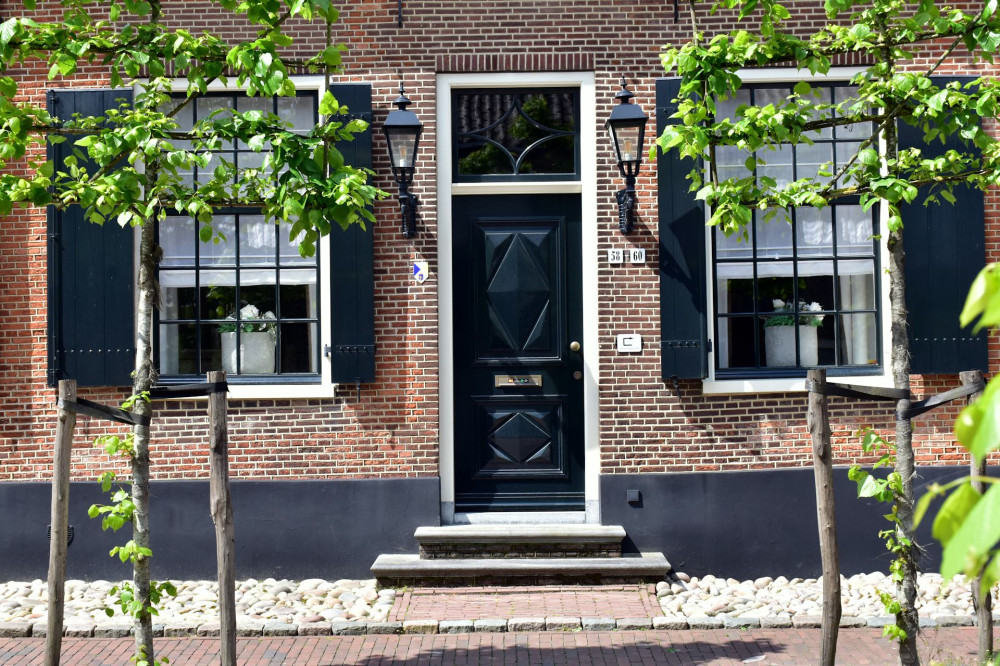
Mortar color contributes significantly to the overall look of a brick wall. Joints can make up as much as 20% of the visible surface, so even subtle color differences can be noticeable. The final color depends on several factors:
- Type of binder – Lime mortars tend to have a lighter, warmer tone, while Portland cement mortars are usually grayer.
- Sand color and grain size – Sand is the main color contributor. Local sands vary widely across the U.S.—from buff and tan in the Midwest to reddish or gray along the coasts—and matching the original sand is often the key to getting the right hue.
- Additives and pigments – Modern mortars can be tinted with mineral pigments, but use them sparingly. Too much pigment can create an artificial look and alter the mortar’s performance.
Always make small test samples and let them dry completely before judging the color. Mortar appears darker when wet and lightens as it cures.
Texture and Finish – The Subtle Art of Blending In
Beyond color, the texture and finish of the mortar joints have a major impact on how well a repair blends with the existing wall. A coarse, sandy mortar gives a rustic look, while a smoother mix appears more uniform and contemporary.
When matching mortar joints, pay attention to:
- Grain size – Use sand with a similar particle size to the original.
- Joint profile – Is the joint flush with the brick face, slightly recessed, or concave?
- Surface finish – Was the joint tooled, brushed, or scraped?
These small details make the difference between a repair that disappears into the wall and one that draws the eye immediately.
Choosing the Right Mortar Type
Matching appearance is only half the job—the mortar’s physical properties must also be compatible with the existing masonry. A mortar that’s too hard can damage older bricks, while one that’s too soft may not provide enough protection.
- Historic buildings (pre-World War II) were often built with lime-based mortars. Use a pure lime mortar or a lime-cement blend that remains flexible and breathable.
- Modern brickwork can usually handle stronger Portland cement mortars, but the mix should still be softer than the brick itself to allow for natural movement and moisture evaporation.
If you’re unsure, take a small sample of the old mortar to a materials lab or consult a mason experienced in restoration work.
Making a Test Batch
The best way to find the right match is through experimentation. Mix small batches using different sands and binder ratios, and apply test patches in an inconspicuous area. Once dry, compare them to the existing wall in both sunlight and shade.
Keep in mind that mortar color changes over time. A new joint may look slightly lighter or darker at first, but after a few months of weathering, the difference usually fades.
Common Mistakes to Avoid
Even minor errors in selection or application can have lasting effects. Watch out for these common pitfalls:
- Using mortar that’s too hard – Can lead to brick spalling and cracking.
- Over-pigmenting – Produces unnatural colors that don’t age like the original mortar.
- Skipping pre-wetting – Especially with lime mortars, the brick should be dampened to ensure proper bonding.
- Inconsistent mixing – Causes color variations from joint to joint.
Taking the time to prepare and test your mix will pay off in both appearance and durability.
When Old and New Become One
A well-matched repair should be nearly invisible. Achieving that harmony requires patience, attention to detail, and respect for the original craftsmanship. When color, texture, and strength align, the wall retains its authentic character—and the building continues to age gracefully.
Matching mortar is not just a technical task; it’s an act of preservation. It connects today’s work with the history embedded in every brick, ensuring that the story of the building endures for generations to come.