Make Your Home More Resistant to Break-Ins with Durable Materials

Make Your Home More Resistant to Break-Ins with Durable Materials
A secure home starts with strong materials. While alarms and cameras can help deter intruders, it’s often the physical barriers that make the biggest difference. A house that looks sturdy and well-maintained sends a clear message: breaking in won’t be easy. With the right materials and design choices, you can make your home significantly more resistant to break-ins—without sacrificing curb appeal.
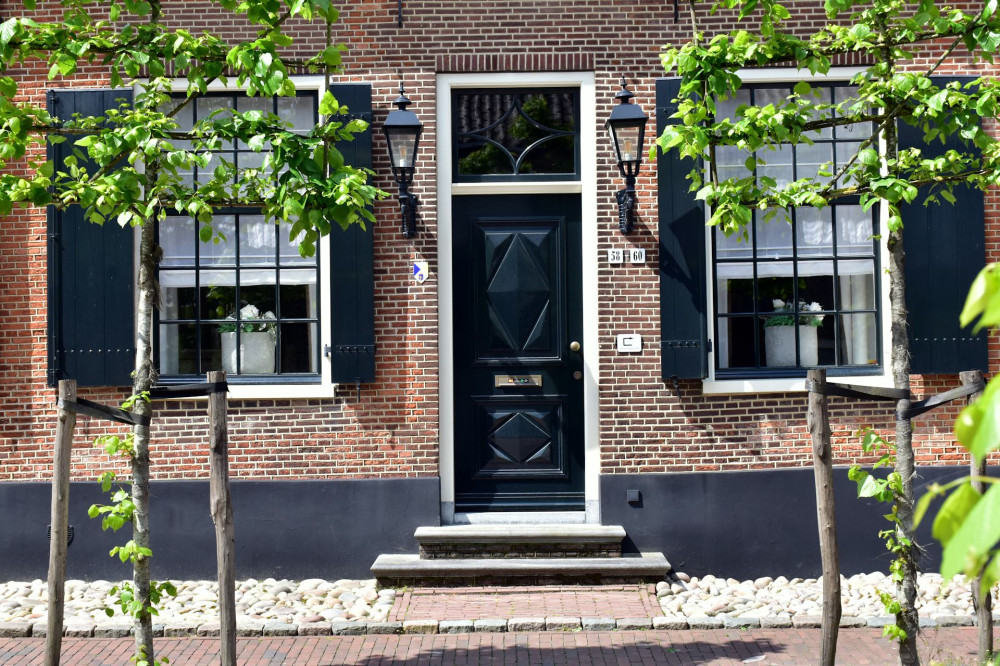
Doors and Frames – The First Line of Defense
Your doors are among the most vulnerable points of entry. Many break-ins happen simply because a door can be kicked open. That’s why both the door and its frame should be made from durable materials.
- Solid-core doors made of hardwood or steel-reinforced construction are far stronger than hollow-core doors.
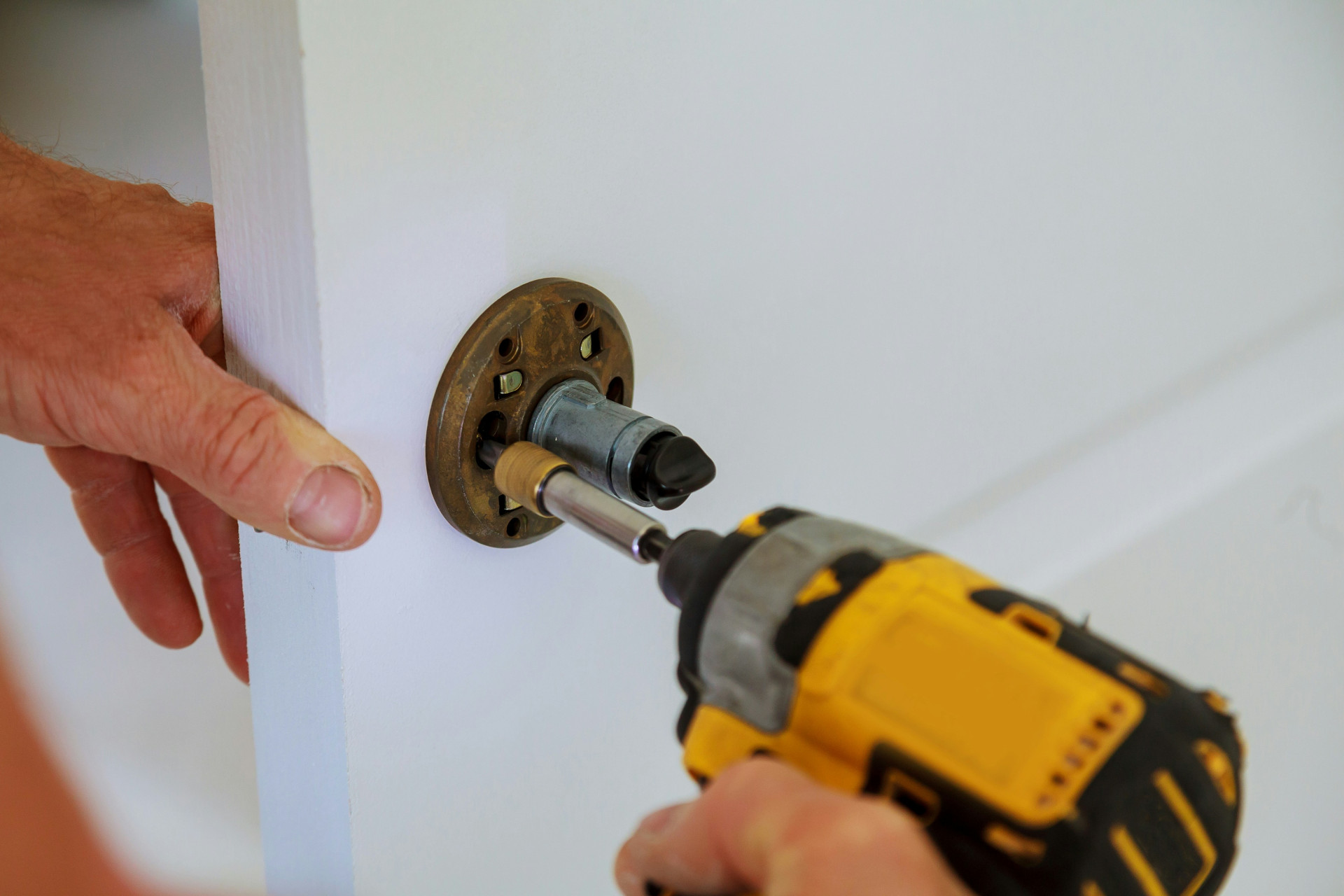
- Reinforced frames and long screws in hinges and strike plates make it much harder to force the door open.
- High-quality deadbolts and ANSI Grade 1 locks provide extra protection and may even lower your homeowner’s insurance premium.
If you live in an area with higher crime rates, consider installing a security door. These doors look like standard residential doors but include internal steel reinforcements and multi-point locking systems that make them extremely difficult to breach.
Windows – Strengthen the Weak Spots
Windows are often the next target after doors. Burglars prefer windows that can be opened quickly and quietly. The right materials can make a big difference.
- Laminated safety glass consists of two layers of glass with a plastic interlayer. Even if the glass breaks, it stays in place, preventing quick entry.
- Window locks and keyed handles make it harder to open windows from the outside.
- Reinforced frames made of aluminum, fiberglass, or composite materials hold up better than soft wood frames.
If you’re replacing windows, look for impact-resistant or security-rated models that meet U.S. standards such as ASTM or UL certifications. They not only improve security but also enhance energy efficiency.
Exterior and Landscaping – Create Natural Barriers
A home that’s easy to approach unnoticed is more at risk. Security isn’t just about doors and windows—it’s also about the surroundings.
- Fences and hedges should be low enough for neighbors or passersby to see if someone is trying to break in.
- Gravel paths around the house can make it harder for intruders to move quietly.
- Motion-activated outdoor lighting deters many burglars before they even attempt entry.
Materials like steel, concrete, and treated hardwood in fences and gates provide both a strong physical barrier and a clean, modern look.
Garages, Sheds, and Basements – The Overlooked Entrances
Many break-ins start in secondary structures. A burglar might use a garage or shed as a hiding spot or a way to access the main house. These areas deserve the same attention as your front door.
- Use metal-reinforced doors and heavy-duty padlocks.
- Ensure basement and shed windows are small, high up, and, if possible, protected with bars or grilles.
- Avoid leaving tools or ladders easily accessible—they can be used to break in.
A sturdy steel garage door or reinforced shed can be a simple but effective way to prevent unauthorized access.
Materials That Protect and Complement Your Home
Security doesn’t have to come at the expense of style. Modern materials like composite, aluminum, and laminated wood can be combined to provide both strength and aesthetic appeal. Many manufacturers offer products that mimic the look of traditional wood doors and windows but have steel or reinforced plastic cores.
When choosing materials, think holistically: a solid, well-built home not only deters intruders but also lasts longer, requires less maintenance, and gives you peace of mind.
An Investment in Peace of Mind
Making your home more resistant to break-ins isn’t just about protecting valuables—it’s about creating a sense of safety. Knowing your home is built with durable materials and thoughtful design allows you to relax, whether you’re home or away.
You don’t have to upgrade everything at once. Start with the most vulnerable areas and improve gradually. Each step strengthens your home’s defenses and sends a clear message to potential intruders: this house isn’t worth the effort.