Insulation Requirements and Moisture Protection: How Do Building Codes Affect Your Choice of Solutions?

Insulation Requirements and Moisture Protection: How Do Building Codes Affect Your Choice of Solutions?
When you build a new home or renovate an existing one, it’s not just about comfort and design. U.S. building codes set specific requirements for insulation and moisture protection that directly influence which materials and construction methods you can use. These rules are designed to ensure energy efficiency, durability, and healthy indoor air quality—but they can also make the decision-making process more complex. Here’s an overview of how building codes shape your choices and what you should pay special attention to.
Why Do Building Codes Set Insulation Requirements?
The main goal of insulation requirements is to reduce energy consumption. A well-insulated home needs less heating in winter and less cooling in summer, which saves money and lowers greenhouse gas emissions.
In the United States, insulation standards are largely based on the International Energy Conservation Code (IECC), which is adopted and modified by individual states. The IECC sets maximum U-factors (rates of heat transfer) and minimum R-values (resistance to heat flow) for walls, roofs, floors, and windows. The higher the R-value, the better the insulation.
For example, in colder climate zones (such as the northern Midwest or New England), attic insulation may need to reach R-49 or higher, while exterior walls typically require R-20 to R-25. In warmer regions, like the South or Southwest, the requirements are lower but still significant. When you build or remodel, your insulation must meet or exceed the R-values specified for your local climate zone.
Moisture Protection – The Hidden Key to Durability
While insulation keeps heat in, moisture protection keeps water out—and it’s just as critical. Poor moisture control can lead to mold, rot, and structural damage.
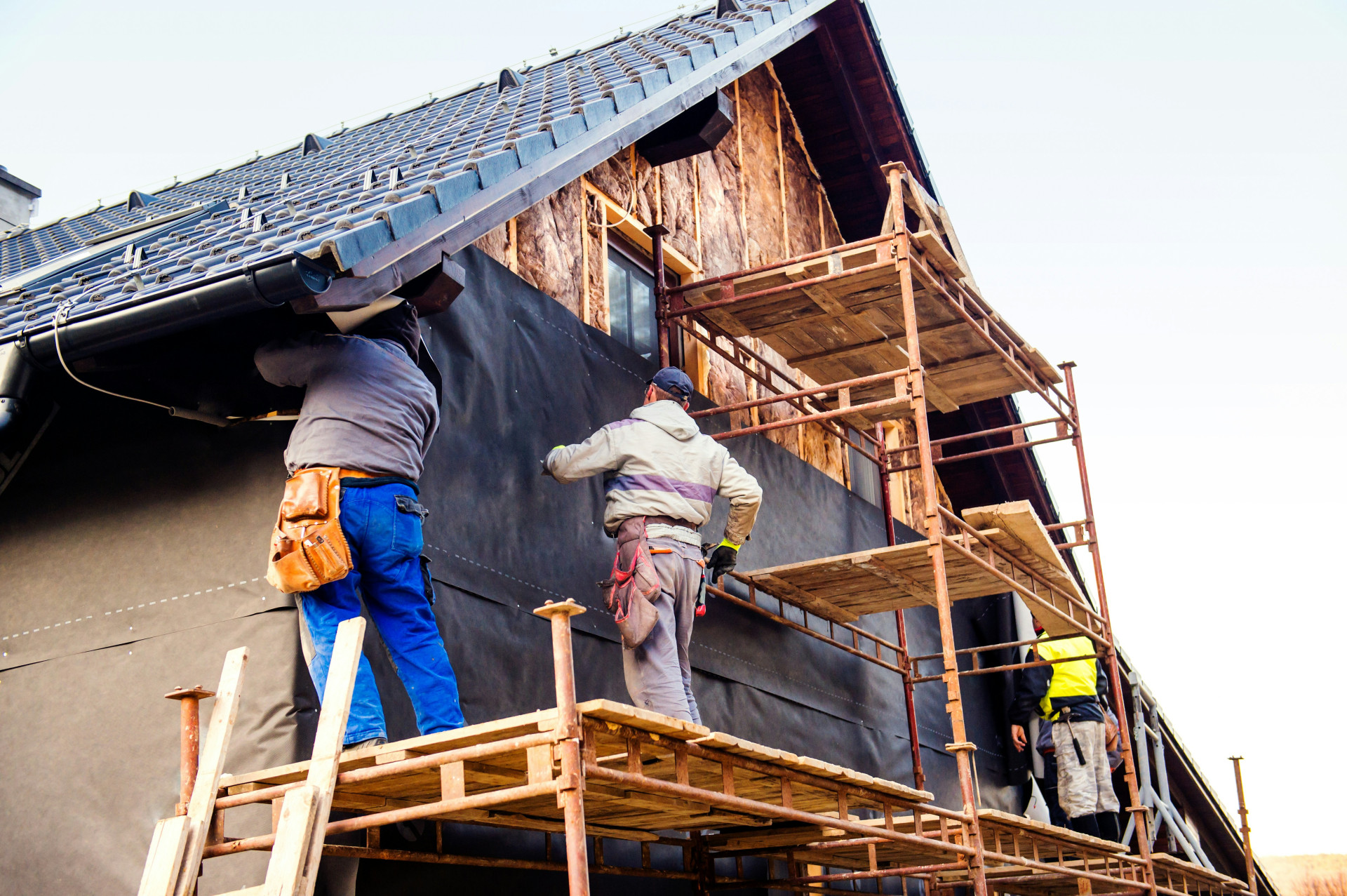
Building codes require that walls, roofs, and foundations be designed to prevent water intrusion and allow moisture to escape. This includes the use of vapor retarders, weather-resistant barriers (WRBs), and proper drainage systems. The International Residential Code (IRC) specifies that materials and assemblies must be constructed to avoid condensation and moisture accumulation.
In practice, this means:
- Install vapor retarders on the warm side of the insulation in cold climates, and use permeable materials in humid regions to allow drying.
- Ensure proper flashing and sealing around windows, doors, and penetrations.
- Use moisture-tolerant materials in basements, crawl spaces, and bathrooms.
- Provide ventilation behind cladding systems to allow trapped moisture to escape.
Good moisture management is often invisible, but it’s essential for keeping insulation effective and the building structure sound.
Renovation: When Do You Have to Meet Current Standards?
If you’re renovating, the rules differ from those for new construction. Generally, you must upgrade insulation when you significantly alter a building component—such as replacing a roof, siding, or windows.
The IECC and most state codes require that improvements meet current energy standards when it’s technically and economically feasible. That means you don’t have to tear down walls just to add insulation, but if you’re already opening up a wall or replacing a roof, you’re expected to bring that part of the building up to code.
For example, if you replace your roof, you’ll likely need to add attic insulation to meet the current R-value requirement. Similarly, new windows must have lower U-factors than the ones they replace.
Choosing Materials – More Than Just Thickness
When selecting insulation, it’s not only about how thick it is. The material’s performance in terms of moisture resistance, fire safety, and environmental impact also matters.
- Fiberglass and mineral wool are common, cost-effective, and fire-resistant.
- Foam boards (EPS, XPS, or polyisocyanurate) offer high R-values per inch and are often used in foundations or exterior walls where moisture is a concern.
- Spray foam provides both insulation and air sealing but must be installed carefully to avoid trapping moisture.
- Natural materials like cellulose, wool, or wood fiber are gaining popularity for sustainable construction but require careful moisture management.
Building codes don’t dictate which material you must use—only that the assembly meets the required performance levels. The best choice depends on your building’s design, location, and climate.
The Link Between Insulation and Ventilation
As insulation and air sealing improve, homes become tighter—and that increases the need for proper ventilation. Without it, moisture and pollutants can build up indoors, leading to poor air quality and potential mold growth.
Modern codes often require mechanical ventilation systems, such as heat recovery ventilators (HRVs) or energy recovery ventilators (ERVs), especially in new or extensively renovated homes. These systems exchange stale indoor air for fresh outdoor air while minimizing heat loss.
In short: the better your insulation, the more important your ventilation strategy becomes.
How to Ensure Your Project Meets Code
To avoid costly mistakes, involve qualified professionals early in the process. An energy consultant, architect, or building engineer can help calculate R-values, select materials, and design assemblies that meet both energy and moisture requirements.
You can also refer to resources such as:
- The U.S. Department of Energy’s Building Energy Codes Program
- ASHRAE Standard 90.1 for commercial buildings
- Local building department guidelines for your state or municipality
These resources translate code requirements into practical solutions you can apply to your project.
Building Codes Are Evolving
Building codes continue to evolve as technology advances and climate goals become more ambitious. Future updates are expected to emphasize sustainability, carbon reduction, and the use of renewable or recycled materials.
That means the choices you make today should be forward-looking—both energy-efficient and environmentally responsible. Proper insulation and moisture protection aren’t just code requirements; they’re long-term investments in a durable, healthy, and sustainable home.