Indoor and Outdoor Drains: How the Systems Work and Connect

Indoor and Outdoor Drains: How the Systems Work and Connect
Every time you flush the toilet, drain the sink, or watch rainwater flow off your roof, you’re setting a complex network of pipes and drains into motion. This system—both inside and outside your home—plays a crucial role in carrying wastewater and stormwater safely away. But how exactly does it work, and how do the indoor and outdoor parts connect?
Indoor Drains – From Fixture to Main Line
The indoor drainage system is what you encounter in your kitchen, bathroom, and laundry area. It collects wastewater from sinks, toilets, showers, and appliances, channeling it through a network of pipes toward the home’s main drain line.
Key components of the indoor system include:
- Drain pipes and stacks – vertical and horizontal pipes that carry wastewater from each fixture.
- Traps (P-traps or S-traps) – curved sections of pipe that hold a small amount of water to block sewer gases from entering the home.
- Proper slope – pipes must be installed with the correct pitch so water flows freely and solids don’t settle.
A well-functioning indoor drain system depends on correct sizing, venting, and tight connections. Even small installation errors can lead to clogs, leaks, or unpleasant odors. That’s why plumbing work should always be done by a licensed plumber.
Outdoor Drains – The Connection to the Sewer or Septic System
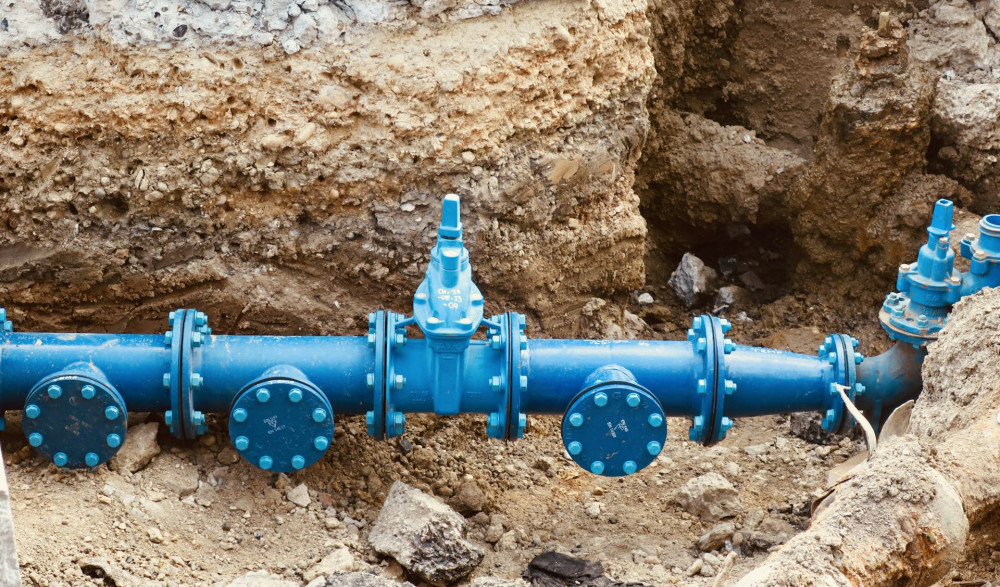
Once wastewater leaves your home, it enters the outdoor drainage system. Depending on where you live, this may connect to a municipal sewer line or a private septic system.
Outdoor drainage typically includes two main types of piping:
- Sanitary sewer line – carries wastewater from the home to the public sewer or septic tank.
- Stormwater drainage – collects rainwater from gutters, downspouts, and yard drains.
In many older neighborhoods, stormwater and wastewater share a single combined sewer line. Newer developments, however, often use separate systems to reduce the risk of flooding and sewage backups during heavy rain.
Outdoor drain lines are buried below the frost line to prevent freezing. The point where your private line meets the public sewer—often at the property cleanout or sewer lateral connection—marks the boundary between homeowner and municipal responsibility. Homeowners are typically responsible for maintenance up to that point.
How the Two Systems Work Together
Indoor and outdoor drains form one continuous system. A problem in one area can quickly affect the other. For example, a blockage in the outdoor sewer line can cause water to back up into basement drains, while a missing or dry trap indoors can let sewer gases escape even if the outdoor system is working fine.
When renovating or maintaining your plumbing, it’s important to consider the entire system. Proper sizing, venting, and alignment between indoor and outdoor components ensure smooth operation and prevent costly damage.
Common Problems – and How to Prevent Them
Even the best drainage systems need regular attention. Here are some of the most common issues homeowners face:
- Clogged pipes – often caused by grease, hair, or food waste. Avoid pouring grease down the sink and use strainers to catch debris.
- Tree root intrusion – roots can enter older clay or cast-iron pipes, causing blockages. Periodic camera inspections can catch problems early.
- Sewer backups during heavy rain – when municipal systems are overwhelmed, water can flow back toward your home. Installing a backwater valve can prevent basement flooding.
- Leaking joints or cracked pipes – can lead to moisture damage and foul odors. Have your system inspected during major home projects.
Preventive maintenance is far cheaper than emergency repairs. Annual inspections and cleaning can help keep your drains flowing freely and protect your property.
Climate Change and the Future of Drainage
With more frequent heavy rain and extreme weather, drainage systems face increasing pressure. Many U.S. cities are investing in green infrastructure to manage stormwater locally—using rain gardens, permeable pavements, and retention basins to let water soak into the ground instead of overloading sewers.
Homeowners can help by disconnecting downspouts from the sewer, installing rain barrels, or creating landscaped areas that absorb runoff. These small steps reduce strain on public systems and lower the risk of flooding.
A Hidden but Essential System
Your drainage system may be out of sight, but it’s one of the most vital parts of your home. When it works, you hardly notice it—but when it fails, the consequences are immediate. Understanding how indoor and outdoor drains connect helps you maintain a healthy, efficient, and safe home.
A well-designed and well-maintained drainage system isn’t just about convenience—it’s essential for sanitation, comfort, and peace of mind.