How the Heat Source and Thermostat Work Together for Optimal Comfort

How the Heat Source and Thermostat Work Together for Optimal Comfort
A comfortable home isn’t just about how much heat you produce—it’s about how that heat is controlled and distributed. In modern American homes, the relationship between the heat source—such as a furnace, boiler, or heat pump—and the thermostats in each room is key to both comfort and energy efficiency. When these two components work in harmony, you enjoy steady warmth without wasting energy. Let’s take a closer look at how this partnership functions and how you can make the most of it in your own home.
The Thermostat – Your Home’s Temperature Manager
The thermostat acts as the “brain” of your heating system. It measures the indoor temperature and signals the heating system to turn on or off to maintain your desired comfort level. When the temperature drops below the set point, the thermostat calls for heat; when the room warms up, it tells the system to stop.
Today’s thermostats range from simple manual models to advanced smart thermostats that can be controlled through an app, learn your schedule, and even adjust based on local weather conditions. Regardless of type, their main job is to ensure you use only as much heat as you need.
The Heat Source – The Heart of the System
The heat source is what actually produces the warmth. In the U.S., this could be a natural gas or oil furnace, an electric heat pump, or a boiler that sends hot water to radiators or underfloor heating. Its role is to deliver the right amount of heat to your home’s distribution system—whether that’s air through ducts or water through pipes.
Modern heating systems are most efficient when they run steadily rather than constantly cycling on and off. That’s why good communication between the thermostat and the heat source is essential: the system should produce only the amount of heat that’s truly needed.
How the Heat Source and Thermostat Work Together
When everything is working properly, the thermostat sends signals to the heat source about how much heat to produce. In more advanced systems, a central controller gathers information from multiple thermostats throughout the home, ensuring that the furnace or heat pump doesn’t overwork when only one room needs heat.
A well-coordinated system provides:
- Even temperatures throughout the home, without hot or cold spots.
- Lower energy bills, since the system runs only as much as necessary.
- Longer equipment life, because components aren’t overused or stressed.
Common Issues – and How to Fix Them
Even small setup errors can disrupt the balance between the thermostat and the heat source. Here are some common problems and solutions:
- Thermostat placement: If a thermostat is near a heat vent, in direct sunlight, or close to a drafty window, it may give inaccurate readings. Place it in a central location away from these influences.
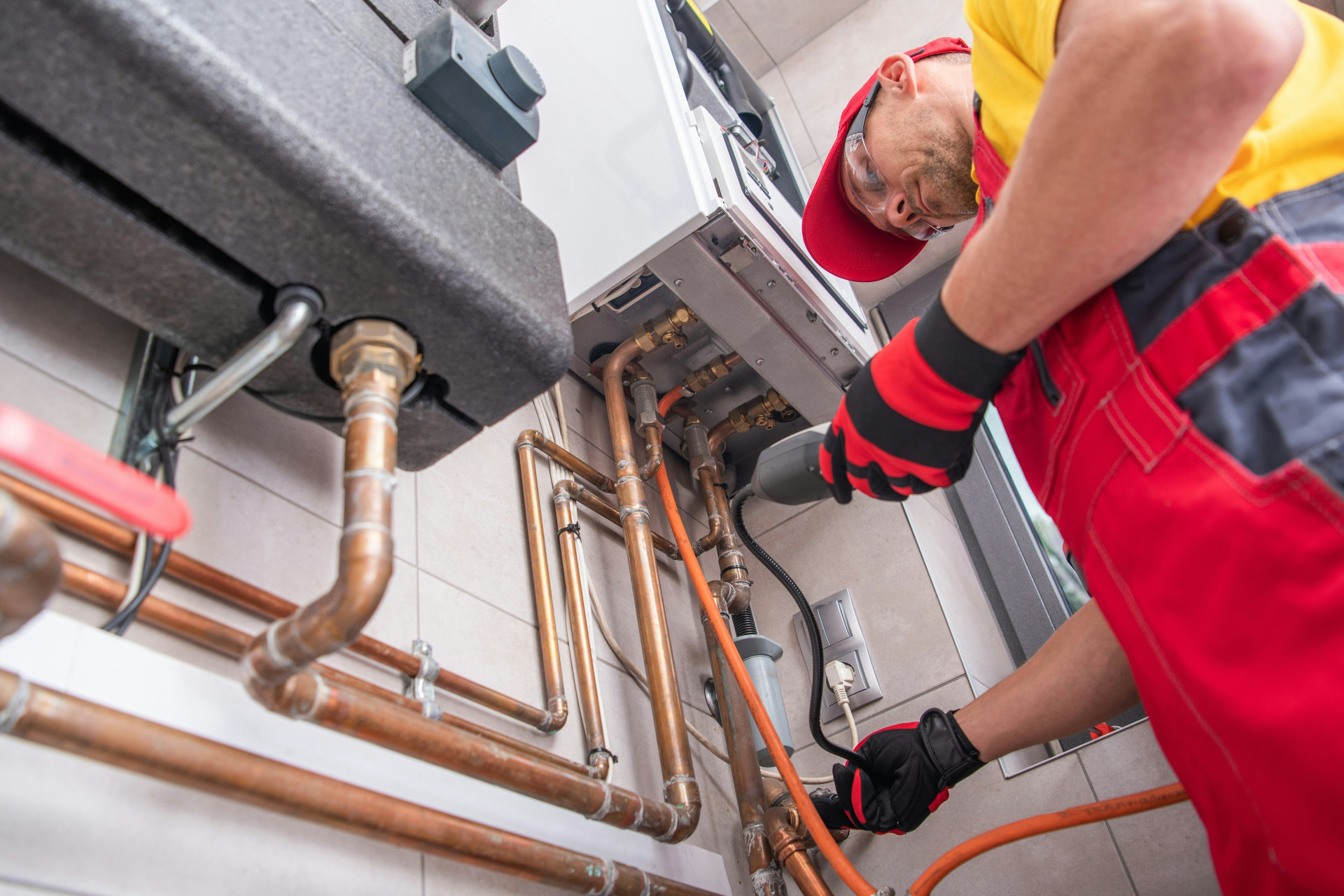
- Short cycling: If your furnace or heat pump turns on and off frequently, it may be oversized or the thermostat may be set incorrectly. A professional HVAC technician can help adjust or recalibrate the system.
- Poor communication: In older systems, the thermostat and heat source may not “talk” efficiently. Upgrading to a modern, programmable or smart thermostat can greatly improve performance.
Smart Solutions for Modern Homes
Smart thermostats have revolutionized home heating control. With one, you can:
- Adjust the temperature remotely from your smartphone.
- Set schedules so the heat automatically lowers when you’re away or asleep.
- Use geofencing or weather-based adjustments to fine-tune comfort and efficiency.
When paired with a high-efficiency furnace or heat pump, a smart thermostat can help you achieve both comfort and savings—without constant manual adjustments.
Getting the Most from Your Heating System
To ensure your heat source and thermostats work together effectively, follow these simple tips:
- Set consistent temperatures across rooms to avoid confusing the system.
- Keep vents and radiators clear of furniture and drapes for better airflow.
- Have your heating system serviced annually to maintain peak efficiency.
- Seal drafts and insulate properly so your system doesn’t have to work harder than necessary.
- Consider an energy audit to identify opportunities for improvement.
When your heat source and thermostats operate in sync, you’ll enjoy steady warmth, lower energy costs, and a more sustainable home—all while staying perfectly comfortable through every season.