Extend the Lifespan of Solar Panels – Understand Performance Development

Extend the Lifespan of Solar Panels – Understand Performance Development
Solar panels are a long-term investment that can lower your electricity bills and reduce your carbon footprint. Like any technology, their performance changes over time. To get the most out of your solar system, it’s important to understand how efficiency develops—and what you can do to extend the panels’ lifespan.
The Natural Aging of Solar Panels
Solar panels gradually lose a small portion of their efficiency each year. This is mainly due to the natural degradation of materials, exposure to sunlight, temperature fluctuations, and moisture. Most manufacturers offer a performance warranty of around 80–85% after 25 years, meaning the panels will still produce electricity, just at a slightly reduced rate.
However, degradation doesn’t occur uniformly. The quality of the panels, the installation, and local climate conditions all play a major role. A well-installed and properly maintained system can continue to generate reliable power for 30 years or more.
Factors That Affect Performance
Several factors can accelerate or slow down the aging process of solar panels:
- Temperature – High heat can temporarily reduce efficiency and, over time, stress the materials. Good airflow around the panels helps keep them cool.
- Dirt and Shade – Dust, leaves, and bird droppings can block sunlight and create uneven stress on the cells. Regular cleaning makes a noticeable difference.
- Moisture and Corrosion – Water that seeps into the panel edges can damage electrical connections. Inspect seals and mounting hardware periodically.
- Inverter Condition – The inverter converts the panels’ direct current (DC) into alternating current (AC). It typically has a shorter lifespan than the panels themselves and should be replaced after 10–15 years to maintain optimal performance.
How to Extend the Lifespan
There are several simple steps you can take to ensure your solar system lasts as long as possible:
- Keep Panels Clean – Gently wash them a few times a year, especially after pollen or dust seasons. Use soft water and avoid harsh cleaning agents.
- Monitor Energy Production – Many systems include apps or online portals that track output. A sudden drop in production may indicate dirt buildup or a technical issue.
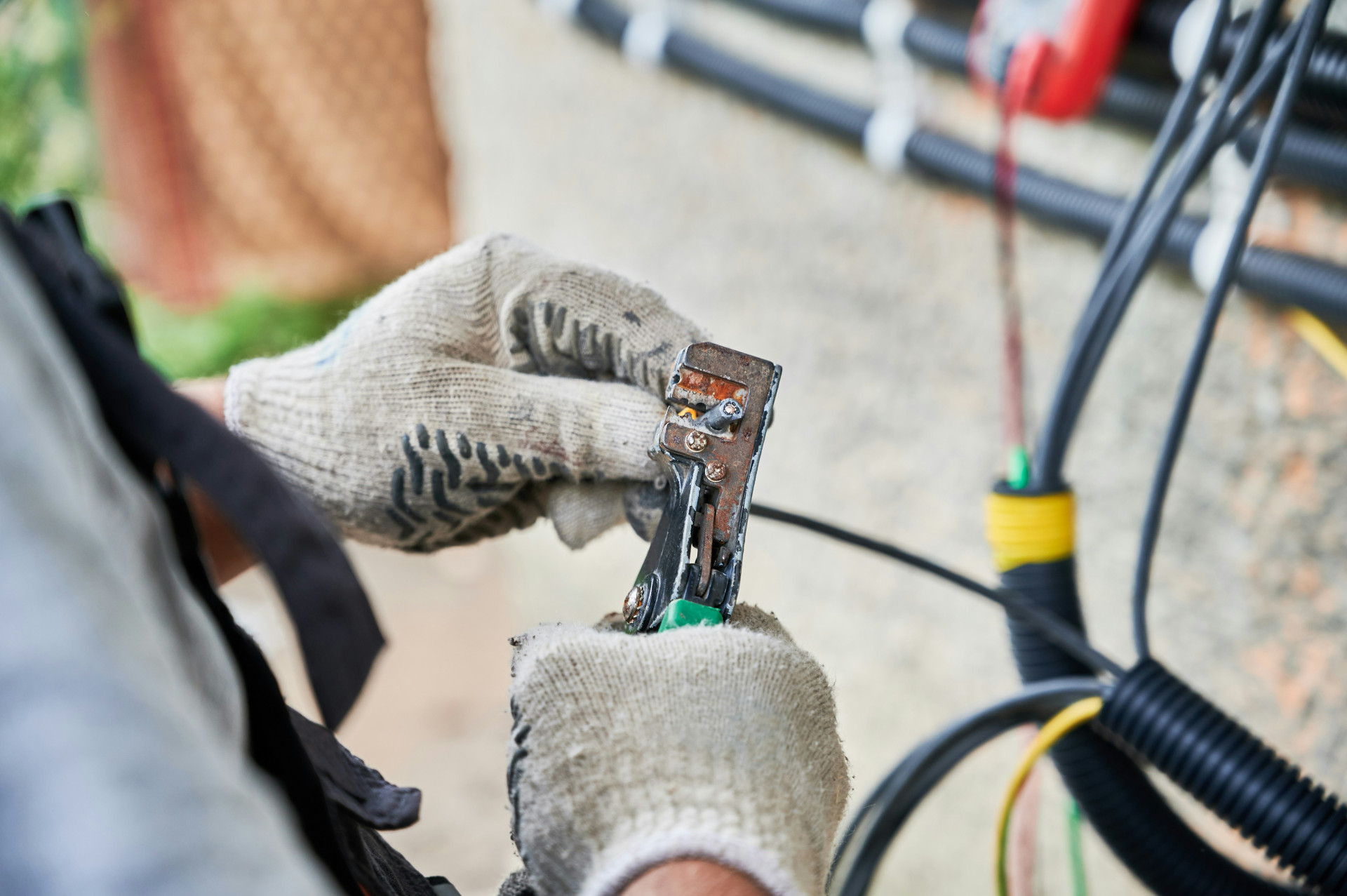
- Schedule Annual Inspections – A professional can check wiring, the inverter, and mounting structures. Preventive maintenance helps avoid costly repairs later.
- Minimize Shading – Trees or nearby buildings casting shadows can significantly reduce output. Consider trimming branches or adjusting panel placement.
- Ensure Proper Ventilation – Air circulation beneath the panels helps regulate temperature and prolongs their lifespan.
Technological Advances and the Future of Solar Panels
Solar technology is evolving rapidly. New panel types—such as PERC, bifacial, and heterojunction cells—offer higher efficiency and lower degradation rates than older models. At the same time, inverters and monitoring systems are becoming smarter, making it easier to detect and correct performance issues.
If you have an older system, it may be worth considering an upgrade of certain components rather than a full replacement. This can extend the system’s life and improve energy yield without a major investment.
A Long-Lasting Investment
Solar panels require minimal maintenance, but a bit of attention can significantly extend their lifespan. By understanding how performance develops and taking timely action, you can ensure your system continues to deliver clean, renewable energy for decades—benefiting both your wallet and the environment.