Extend the Lifespan of Materials as Part of a Sustainable Bathroom Lifestyle

Extend the Lifespan of Materials as Part of a Sustainable Bathroom Lifestyle
A sustainable bathroom isn’t just about low-flow fixtures and eco-friendly cleaning products. It’s also about thinking long-term—choosing materials that last and caring for them so they maintain their beauty and function for years to come. By extending the lifespan of what you already own, you can save resources, reduce waste, and create a bathroom that ages gracefully.
Choose Quality Over Quick Replacements
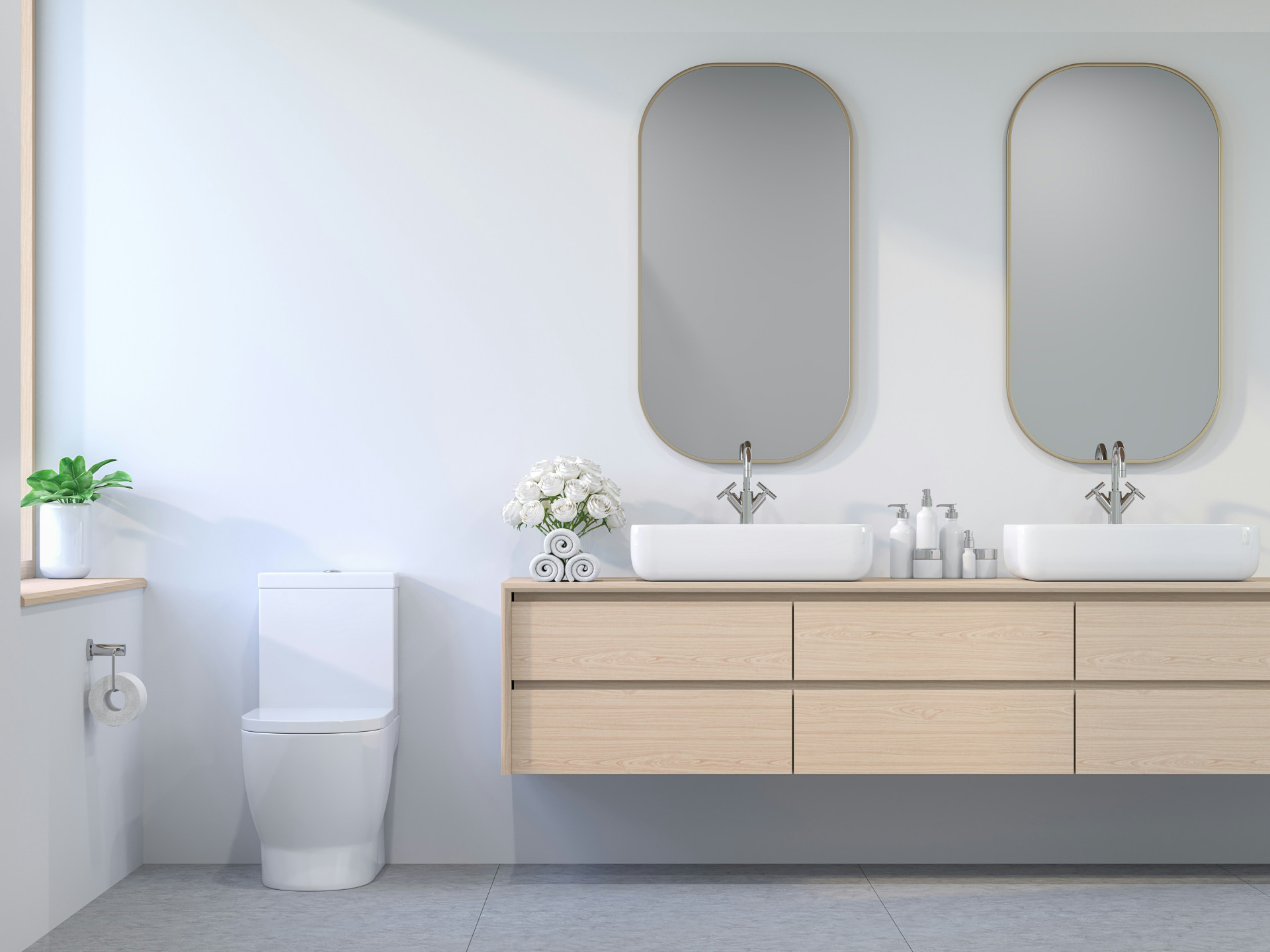
When remodeling or upgrading your bathroom, it can be tempting to go for the cheapest options. But investing in quality materials often pays off in the long run. Porcelain, natural stone, solid wood, and stainless steel are durable choices that can withstand daily use in a humid environment.
A well-made faucet or sink can last for decades with proper care. Fewer replacements mean less waste and a smaller environmental footprint—plus, you’ll likely save money over time.
Maintenance as a Sustainable Habit
Even the most durable materials need regular care. Gentle, pH-neutral cleaners help preserve surfaces and grout, while harsh chemicals can degrade materials and harm the environment.
- Tiles and grout: Clean regularly to prevent mold and mineral buildup. A mix of vinegar and water works well for removing soap scum. Wipe down surfaces after showers to reduce moisture.
- Fixtures: Polish with a soft cloth and mild soap. Avoid abrasive pads that can scratch finishes.
- Wood elements: Treat with oil or wax a few times a year to protect against humidity.
- Mirrors and glass: Use a vinegar-and-water solution for a streak-free shine.
Simple routines like these can dramatically extend the life of your bathroom materials while keeping the space fresh and healthy.
Repair Instead of Replace
In a culture of convenience, repairing can feel old-fashioned—but it’s one of the most effective ways to reduce resource use. A dripping faucet might only need a new washer, and a loose tile can often be reattached instead of redoing an entire wall.
Consider reaching out to local repair professionals or community tool libraries for help. Supporting local trades not only benefits the environment but also strengthens your community.
Give Materials a Second Life
If replacement is unavoidable, think creatively about reuse and recycling. Old tiles can become decorative accents, and a dated vanity can be refreshed with paint or new hardware. Many home improvement stores and salvage centers in the U.S. offer reclaimed materials that add character and sustainability to your project.
Blending old and new elements gives your bathroom a unique personality while reducing the demand for new production.
Design for Longevity
A sustainable bathroom is also a timeless one. Choose neutral colors, classic shapes, and adaptable layouts that won’t feel outdated in a few years. This makes it easier to refresh the space with small updates—like new towels, plants, or lighting—rather than a full renovation.
Modular designs are another smart choice. Being able to replace individual parts without tearing out entire installations makes maintenance and future upgrades far more sustainable.
A Mindful Way of Living
Extending the lifespan of materials is ultimately about adopting a mindful lifestyle—one that values care, quality, and responsibility. It may take a bit more attention and effort, but the reward is a bathroom that lasts longer, looks better, and reflects your commitment to sustainability.
When you take care of what you already have, sustainability becomes less of a project and more of a natural part of everyday life.