Early Signs of Roof Damage: How to Spot Them in Time

Early Signs of Roof Damage: How to Spot Them in Time
A healthy roof is one of the most important parts of your home’s structure. It shields you from rain, wind, snow, and heat—keeping your home safe and dry. But roof problems often go unnoticed until they’ve already caused serious damage. The good news is that with a little attention, you can catch early signs of roof damage before they turn into costly repairs. Here’s how to spot them in time.
Look for Discoloration and Dark Stains
One of the first warning signs of roof trouble is discoloration. Dark streaks or patches on shingles can indicate algae growth, moisture buildup, or the beginning of water damage. In humid or shaded areas—especially on the north side of your home—these stains are common because the roof doesn’t dry out as quickly.
If you notice black or green streaks, don’t ignore them. They can trap moisture and gradually weaken your shingles. A professional roof cleaning can often solve the problem, but it’s also important to check whether there’s any underlying damage.
Missing or Damaged Shingles
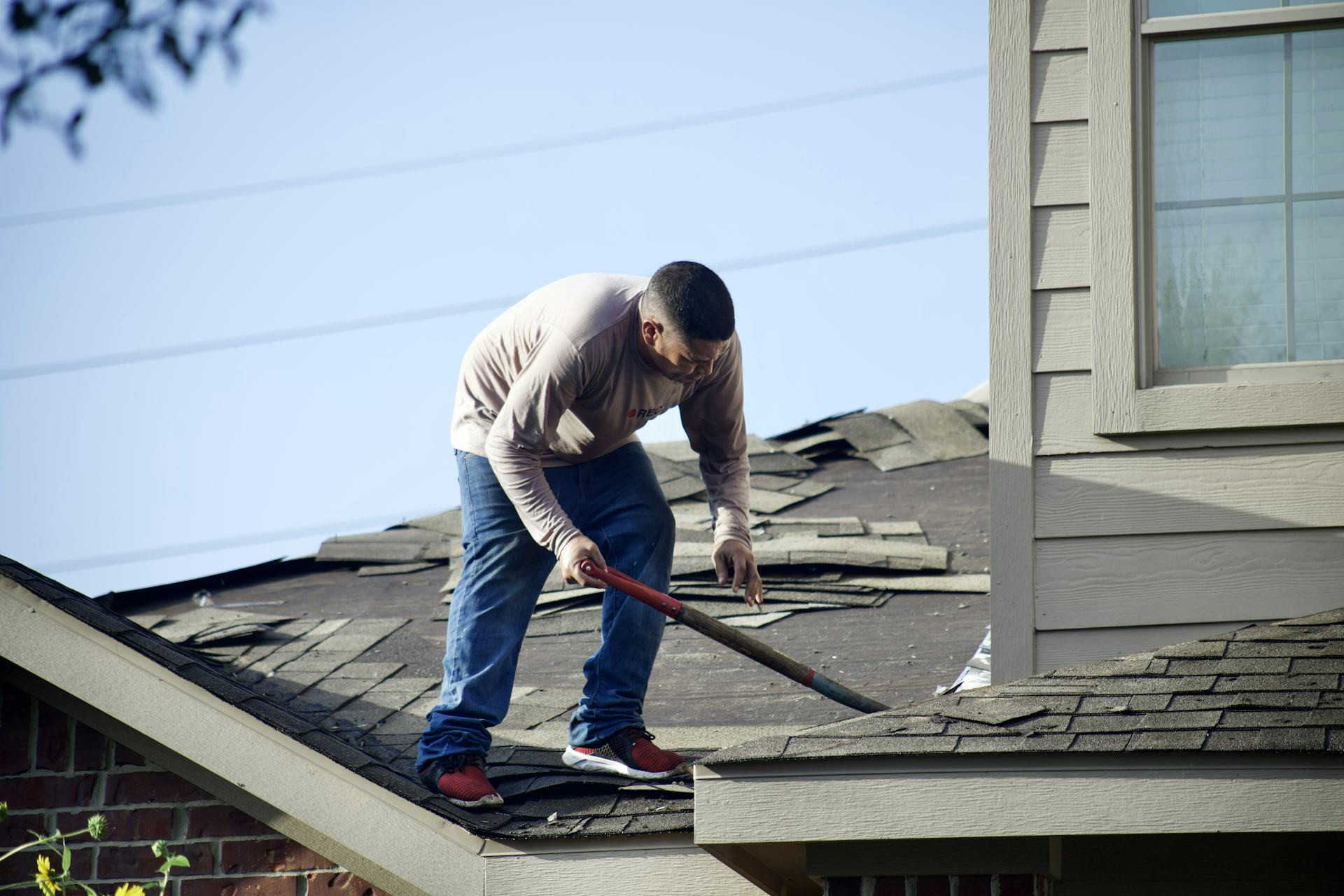
After heavy winds, hail, or storms, shingles can crack, curl, or even blow off completely. It might not look serious at first, but even a small gap can allow water to seep underneath, leading to leaks, mold, and rot in the roof deck.
Walk around your home and look up at the roof—especially after severe weather. If you see uneven lines, missing shingles, or areas that look worn, it’s time to call a roofing contractor. A quick repair now can prevent major water damage later.
Cracks and Wear Around Flashing and Gutters
Flashing—the metal or rubber seals around chimneys, vents, and skylights—is one of the most common sources of roof leaks. Over time, flashing can crack, rust, or pull away from the surface. Similarly, gutters and downspouts can develop leaks or clogs that cause water to back up under the shingles.
Check that your gutters are clear and that water flows freely during rain. Look for rust, cracks, or damp spots on the siding. Replacing or resealing flashing is usually a simple fix, but only if you catch the problem early.
Water Stains or Musty Smells in the Attic
Some of the clearest signs of roof damage show up inside your home. Water stains on the ceiling, damp insulation, or a musty odor in the attic are all red flags. These signs mean that water has already made its way through the roof layers.
Inspect your attic regularly—especially after heavy rain or snow. Use a flashlight to look for dark spots, wet insulation, or wood that feels soft to the touch. The sooner you find the source, the easier and cheaper it will be to repair.
Moss, Leaves, and Debris Buildup
Moss, leaves, and branches that collect on your roof or in your gutters might seem harmless, but they trap moisture and prevent proper drainage. Over time, this can cause shingles to deteriorate and even lead to ice dams in colder climates.
Clean your gutters at least twice a year—typically in spring and fall—and remove any moss or debris from the roof surface. Regular maintenance like this can significantly extend the life of your roof.
Unexpected Changes in Energy Bills
A damaged roof doesn’t just let in water—it can also let out heat. If your energy bills suddenly rise without explanation, it could be a sign that your attic insulation has become damp or that air is escaping through gaps in the roof.
A professional energy audit or roof inspection can help identify whether your roof is the culprit. Fixing leaks and improving insulation can save you money in the long run.
Schedule Regular Roof Inspections
Even the best roofs need routine care. Having a professional inspection every two to three years—or after major storms—can help catch small issues before they become serious. Many roofing companies offer maintenance plans that include cleaning, minor repairs, and detailed reports.
While it might seem like an extra expense, regular inspections are an investment in your home’s safety and value. A well-maintained roof not only lasts longer but also gives you peace of mind when the weather turns rough.
A Strong Roof Starts with Awareness
Most roof problems start small—an overlooked crack, a missing shingle, or a bit of trapped moisture. But with regular inspections, cleaning, and quick action when you spot early warning signs, you can prevent leaks, rot, and expensive repairs. A roof that’s cared for properly doesn’t just protect your home—it protects your investment.