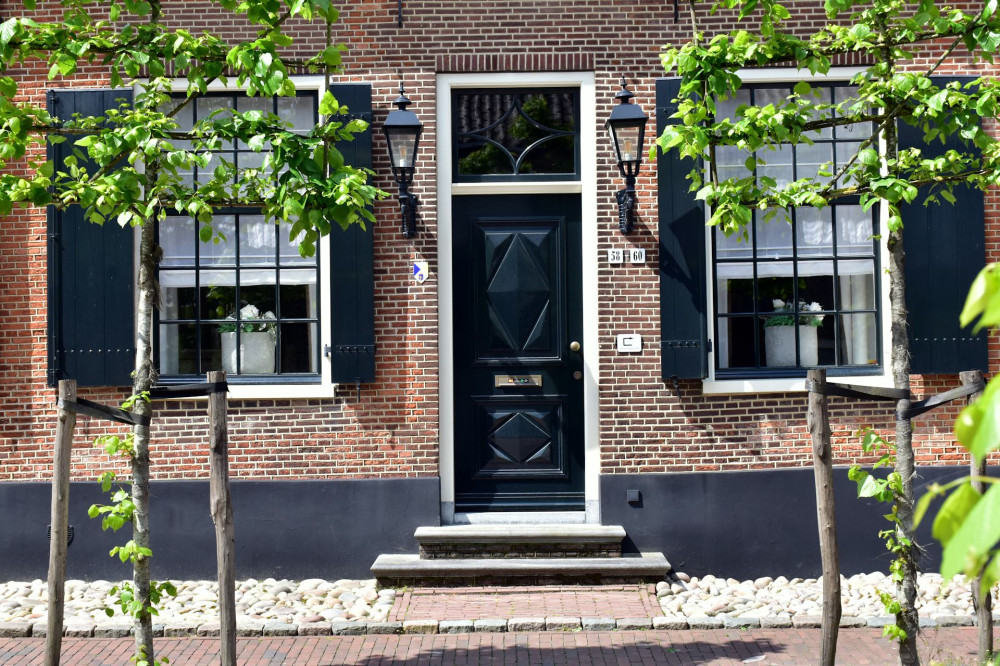
Create Sensory Appeal in the Wellness Space with Textures and Variety

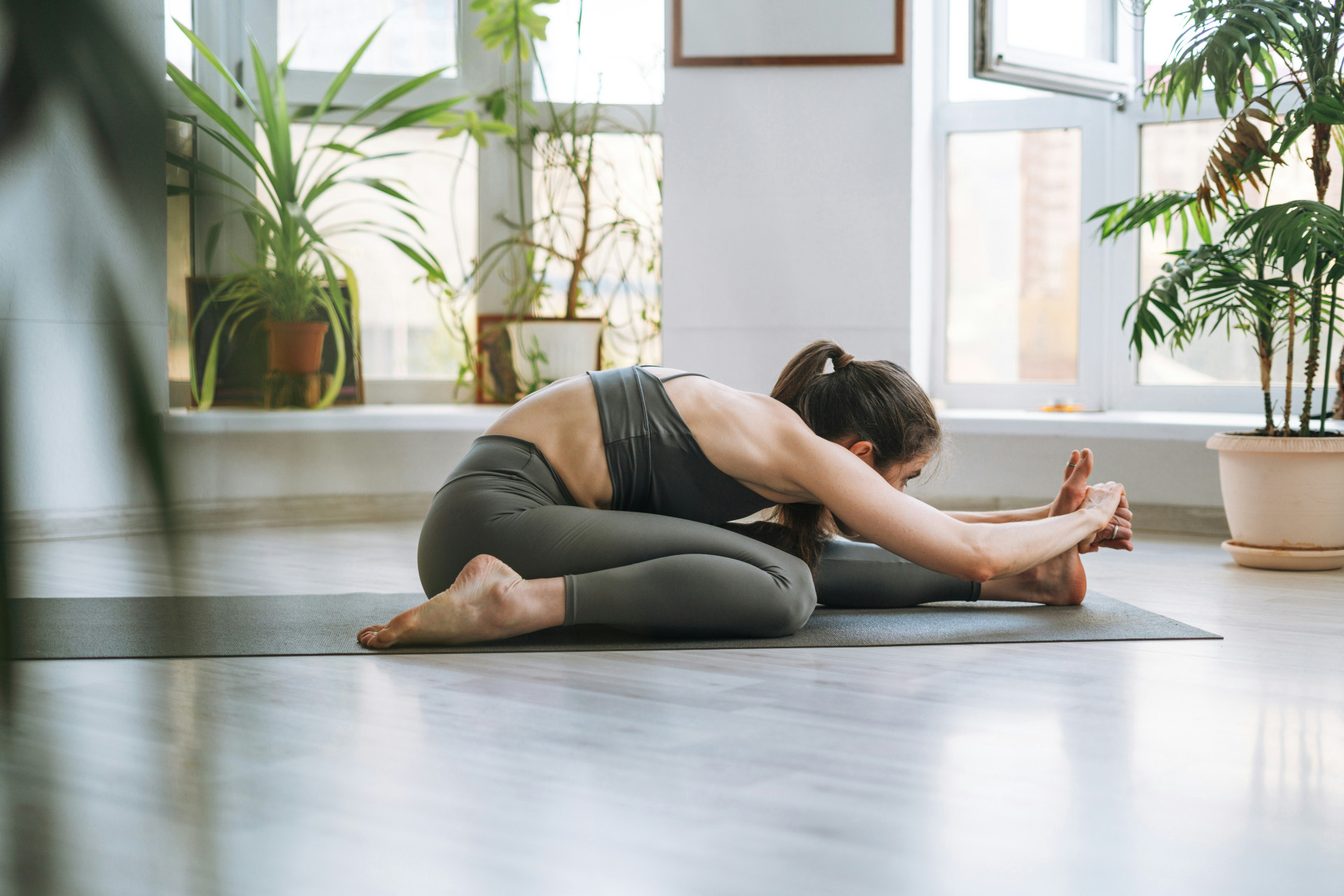
Create Sensory Appeal in the Wellness Space with Textures and Variety
A wellness space is more than a functional area—it’s a sanctuary for calm, comfort, and sensory connection. When you step into a space designed for relaxation, it’s not only the scent of essential oils or the sound of soft music that sets the tone. The materials you touch, the surfaces you see, and the way light interacts with them all play a vital role. Texture and variety are key to creating a space that feels alive, inviting, and balanced.
Bring Calm with Natural Materials
Natural materials have an innate ability to ground us. Wood, stone, linen, and cotton bring the beauty of nature indoors and create a sense of authenticity. A wooden floor with visible grain, a wall of slate tile, or a woven rattan basket adds warmth and character.
When choosing materials, think about how they feel against the skin. A plush towel, a smooth pebble, or a matte surface each contributes to a sensory experience. Combining different natural textures makes the space more dynamic and harmonious.
Play with Contrasts
A wellness space thrives on subtle contrasts—they create balance and visual interest. Pair soft with hard, matte with glossy, warm with cool. A sleek marble sink can look stunning next to a textured plaster wall, and a soft rug can offset the coolness of tile flooring.
The contrasts should feel organic, not jarring. They should support the room’s calm atmosphere. Consider how you respond to different surfaces—some invite touch, others create distance. It’s in the interplay between them that sensory richness emerges.
Use Textiles to Set the Mood
Textiles are an easy way to add comfort and variation. Sheer linen curtains can soften natural light, while thick terry towels and robes bring a sense of indulgence. A cushion on a bench or a throw over a chair can make the space feel more welcoming.
Choose colors that promote tranquility—muted tones of sand, gray, sage, and beige work beautifully in wellness environments. These hues create a soothing backdrop that allows textures to take center stage.
Light, Shadow, and Surface
Lighting shapes how we perceive texture. Soft, diffused light enhances surface depth and brings warmth to the room. Use multiple light sources—overhead fixtures, wall sconces, and candles—to adjust the mood throughout the day.
A flickering candle casting shadows on a rough wall or sunlight gliding across a polished stone can transform the atmosphere. This natural variation in light and texture keeps the space engaging and alive.
Details that Make a Difference
Small details can have a big impact on the overall experience. A wooden tray with candles, a bowl of smooth river stones, or a vase of dried grasses can emphasize the natural aesthetic. It’s not about filling the space, but about choosing a few meaningful elements that enhance the sense of calm.
Don’t forget sound and scent. The gentle trickle of a tabletop fountain or the aroma of eucalyptus can deepen the feeling of relaxation and presence.
A Space for All the Senses
A well-designed wellness space speaks to every sense. It’s a place where you can see, touch, smell, and hear serenity. By thoughtfully layering textures and introducing variety, you create a space that’s not only beautiful but also alive and sensory—a place where body and mind can truly find balance.