Create a Comfortable Acoustic Environment in Shared Spaces

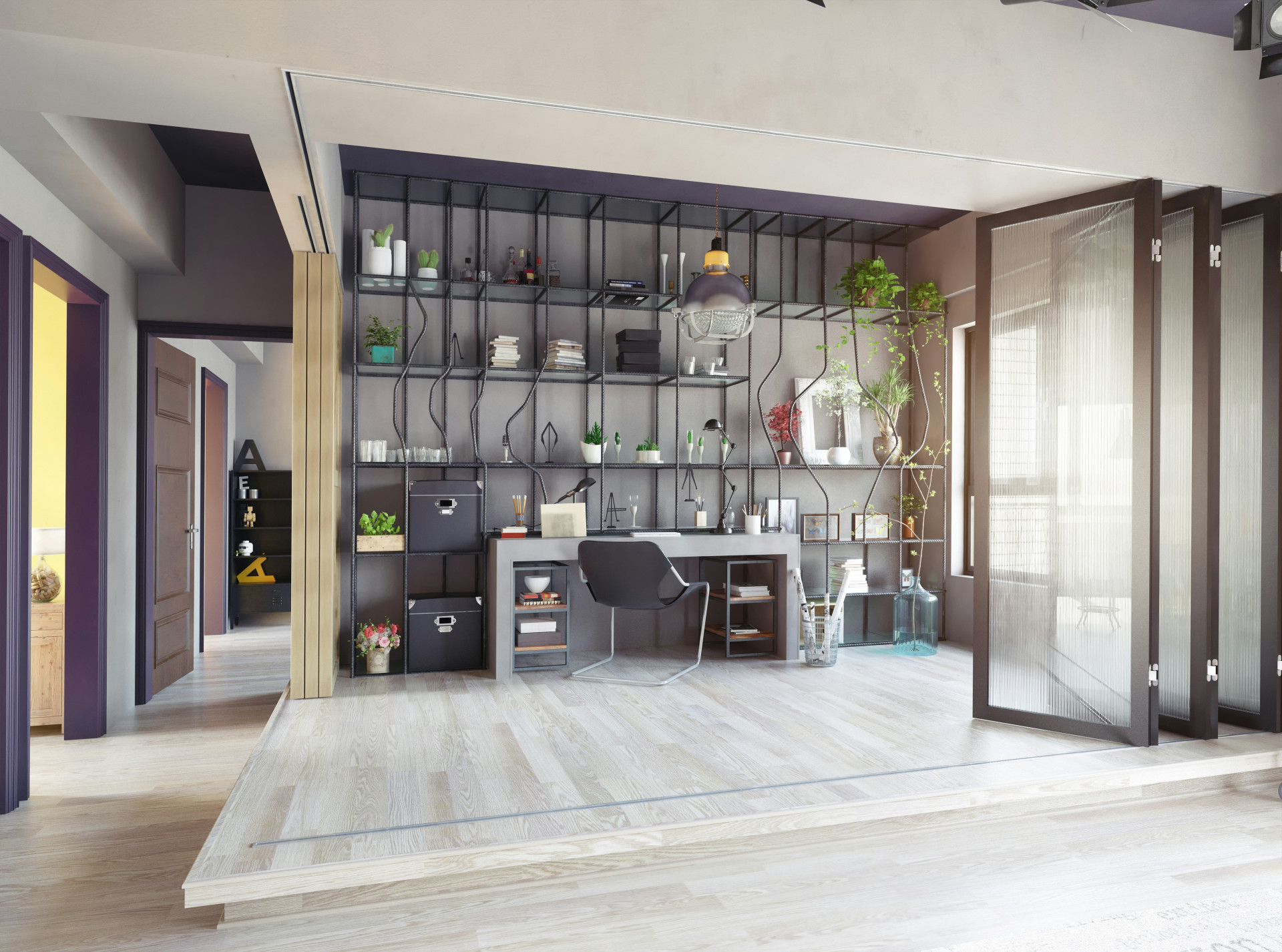
Create a Comfortable Acoustic Environment in Shared Spaces
A pleasant acoustic environment is essential for well-being, focus, and collaboration—especially in shared spaces where many people gather. Whether it’s an office, a school, a senior living community, or a residential complex, noise can quickly become a source of stress and distraction. Fortunately, with thoughtful design and a few practical steps, you can create a more comfortable sound environment where everyone feels at ease.
Why Sound Matters
Sound affects us more than we often realize. A room filled with hard surfaces, overlapping conversations, and constant background noise can make it difficult to concentrate and may lead to fatigue or irritation. In contrast, a well-balanced acoustic environment promotes calm, enhances productivity, and encourages positive social interaction.
In shared spaces, the challenge is that people use the area in different ways—some are talking, others are working, and some are simply passing through. The goal isn’t to eliminate all sound, but to find a balance between activity and quiet.
Identify the Sources of Noise
Before improving acoustics, it’s important to understand where the noise comes from. Common sources in shared spaces include:
- Conversations and phone calls
- Coffee machines, printers, and HVAC systems
- Footsteps on hard floors
- Echoes from walls and ceilings
Take a few minutes to observe: When is the space noisiest? Where do sounds seem to build up? These insights will help you choose the right solutions.
Use Materials That Absorb Sound
One of the most effective ways to improve acoustics is by working with the room’s surfaces. Hard materials like glass, concrete, and metal reflect sound, while soft materials absorb it. You can make a big difference by adding:
- Acoustic panels on walls or ceilings—available in many styles to blend with your décor.
- Rugs and textiles, which soften footsteps and voices.
- Upholstered furniture and curtains that help break up sound waves.
- Plants, which not only add life but also help diffuse sound.
Even small changes can have a noticeable impact, especially in spaces dominated by hard surfaces.
Design with Zones and Variety
A good acoustic environment also depends on how the space is used. If the area serves multiple purposes, create zones with different sound levels:
- Quiet zones for focused work, reading, or low-voice conversations.
- Active zones for meetings, socializing, or collaborative work.
- Transition zones for people passing through without disturbing others.
You can define zones with furniture, rugs, screens, or lighting. This makes it intuitive for users to understand where it’s appropriate to talk freely and where to keep noise to a minimum.
Manage the Direction and Flow of Sound
Sound travels freely in open spaces, but you can guide it with strategic placement of furniture and partitions. Use bookshelves, plants, or acoustic screens to break up sound waves and create pockets of calm. Avoid placing noisy equipment near seating areas, and distribute sound-absorbing materials evenly throughout the room.
Foster a Culture of Sound Awareness
Even the best design can’t solve everything if people aren’t mindful of their noise levels. A positive sound culture means being considerate of others:
- Speak at an appropriate volume.
- Use meeting rooms for longer conversations.
- Silence notifications and ringtones when possible.
- Respect designated quiet areas.
Simple guidelines and friendly reminders can make a big difference—especially in open offices or shared lounges.
Sound as Part of the Overall Experience
A comfortable acoustic environment is about more than just sound—it’s part of the overall atmosphere. When sound, light, color, and furniture work together, the space feels both inviting and functional. This harmony makes shared areas places where people want to spend time and where collaboration and community thrive.
Small Steps, Big Impact
You don’t need a full renovation to improve acoustics. Start with the easy wins: a few acoustic panels, a rug, some plants, and a clear zoning plan. You’ll likely notice the difference quickly—in both the mood and the energy of those using the space.
A well-designed acoustic environment is an investment in well-being, and it pays off every single day.