Create a Calm Bedroom with Meditative Lighting

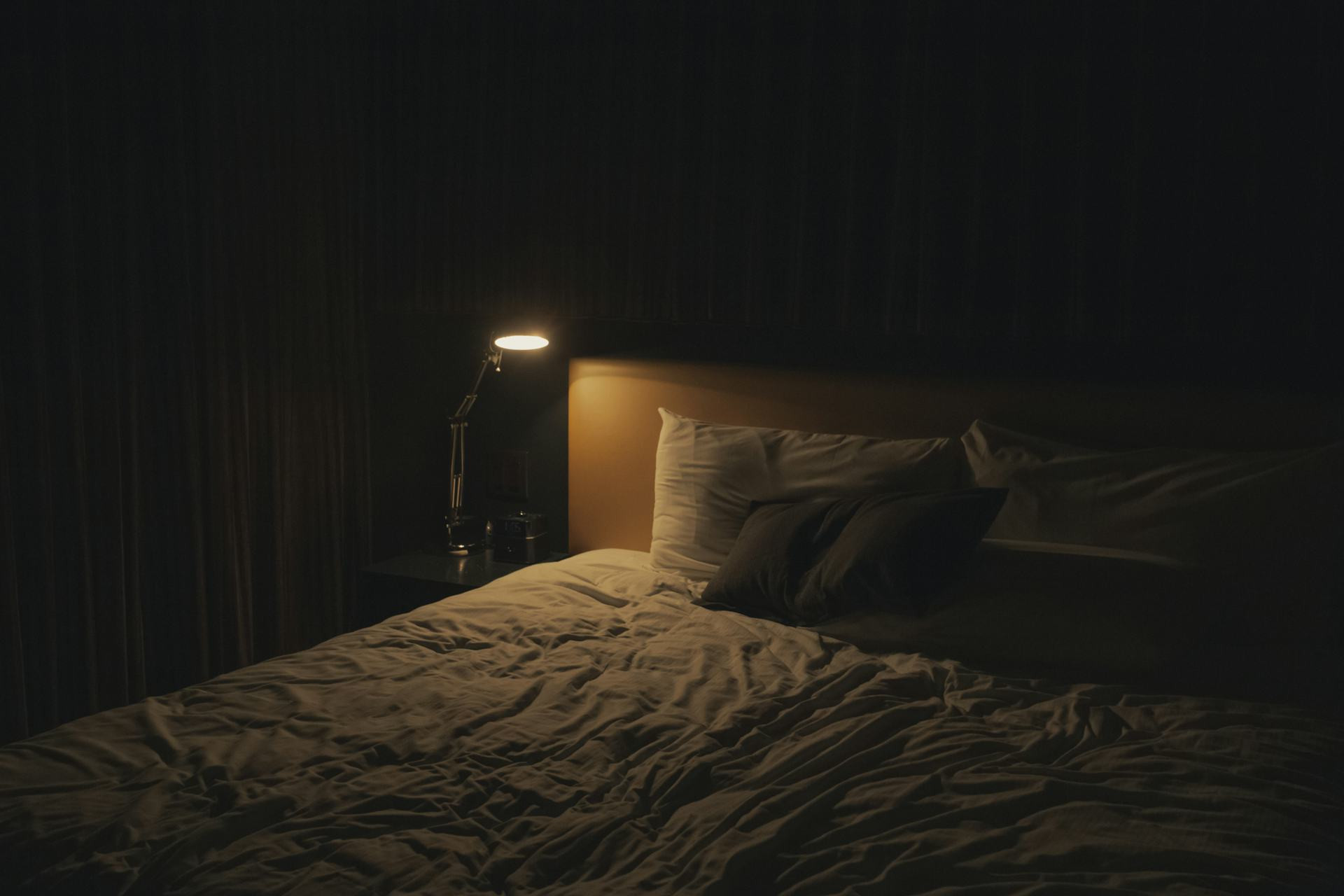
Create a Calm Bedroom with Meditative Lighting
A bedroom is more than just a place to sleep – it’s a space for rest, reflection, and renewal. In a world filled with constant stimulation, the way you light your bedroom can make a real difference in how easily you unwind. Meditative lighting helps you create an atmosphere that supports relaxation, mindfulness, and better sleep. Here’s how to use light as a tool for calm.
The Connection Between Light and Calm
Light affects both body and mind. It regulates your circadian rhythm, influences mood, and can either energize or soothe you. While bright, cool light signals alertness, warm and dim light tells your body it’s time to slow down.
Meditative lighting is about creating a light environment that invites stillness. Think soft transitions, natural tones, and gentle shadows. When light becomes part of your evening ritual, it helps your body and mind shift from activity to rest.
Choose the Right Light Sources
The first step toward meditative lighting is choosing the right fixtures and bulbs. Avoid harsh overhead lights and cool white tones often associated with workspaces. Instead, layer several smaller light sources to create a peaceful glow.
- Warm light (below 3000 Kelvin) gives a cozy, sunset-like hue that encourages relaxation.
- Dimmable lamps let you adjust brightness for reading, journaling, or winding down.
- String lights or Himalayan salt lamps offer a soft, diffused glow that feels soothing.
- Candles provide a natural, flickering light that promotes presence and calm – just remember to use them safely.
By combining different types of light, you can create a flexible environment that supports both quiet reflection and bedtime routines.
Set a Meditative Mood
Meditative lighting isn’t only about the lamps themselves – it’s about the atmosphere they create. Consider how light interacts with your room’s colors and textures. Soft fabrics, natural materials, and muted tones enhance the sense of serenity.
You can also use light as part of a mindfulness practice. Try these ideas:
- Turn off bright lights an hour before bed and switch to softer lamps.
- Sit quietly and focus on the play of light and shadow – a simple form of visual meditation.
- Pair the lighting with gentle music or a guided meditation to deepen relaxation.
Over time, your body will begin to associate this lighting with calm and rest.
Use Technology Mindfully
Smart lighting makes it easy to create the right mood. App-controlled bulbs allow you to adjust color temperature and brightness from your phone, and some systems can automatically dim as the evening progresses.
Still, be mindful of screen exposure before bed. The blue light from phones and tablets can interfere with melatonin production and delay sleep. Use voice control or preset timers so you can enjoy the benefits of smart lighting without the distraction of screens.
Make Lighting Part of Your Sleep Routine
Good sleep isn’t just about darkness – it’s about the transition from wakefulness to rest. Meditative lighting helps your body follow a natural rhythm, easing you into sleep. It can be especially helpful if you struggle to quiet your mind at night.
Think of lighting as part of your sleep hygiene, along with fresh air, calming sounds, and consistent bedtimes. When you treat light as an intentional part of your evening routine, it becomes a tool for balance and well-being.
A Space for Stillness
Your bedroom should be a retreat from the demands of the day – a place where you can breathe deeply, reconnect with yourself, and let go. With meditative lighting, you can transform it into a sanctuary of calm.
It doesn’t require major renovations or expensive equipment, just awareness of how light affects you. Once you experience the difference, you’ll see that it’s not only about aesthetics – it’s about creating peace in both body and mind.