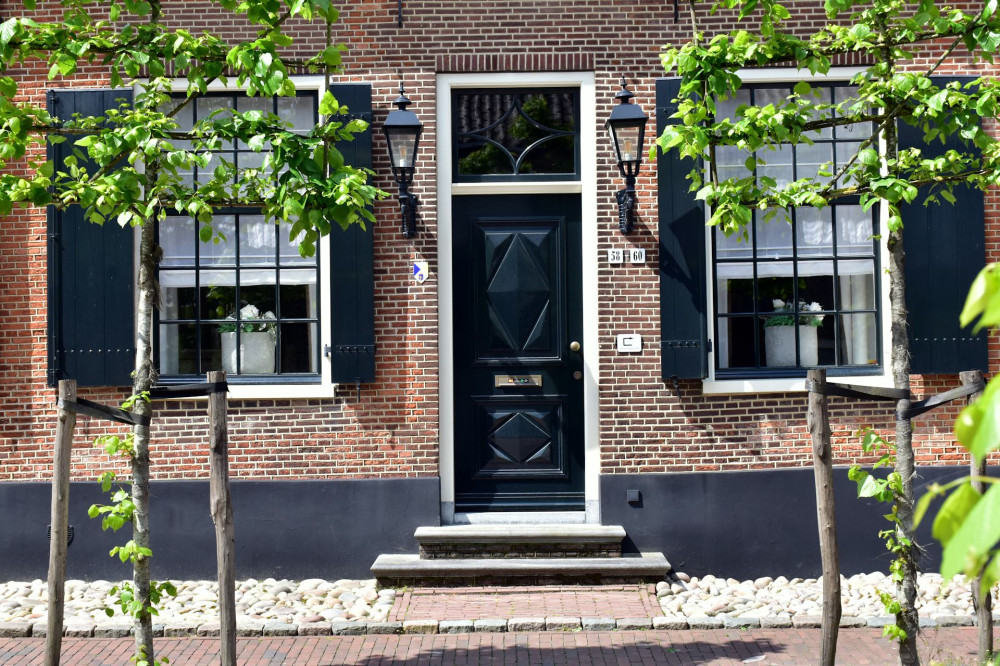
Combine Painted Doors and Frames with Colored Walls or Wallpaper


Combine Painted Doors and Frames with Colored Walls or Wallpaper
When you’re updating a room, your first thought might be the walls—but doors and frames play a much bigger role than most people realize. They act as transitions between spaces and as visual frames that can highlight or contrast with the wall color or wallpaper. By painting doors and frames in a deliberate color and pairing them with walls in a different shade or pattern, you can create a cohesive and personal look that feels intentional and stylish.
Here’s how to combine colors and materials so your doors and frames become an active part of your home’s design.
Create Harmony with Tone-on-Tone Colors
One of the most elegant ways to combine colors is to work tone-on-tone. This means choosing colors that are close to each other on the color spectrum—for example, a soft sage wall with a deeper forest green door frame.
This approach creates a calm, sophisticated look where the transition between wall and door feels natural. It works especially well in spaces where you want a relaxed atmosphere, such as bedrooms or living rooms.
A good rule of thumb is to paint the door one or two shades darker than the wall. This adds depth without creating too much contrast.
Add Character with Contrasts
If you prefer a bolder, more expressive style, let your doors and frames stand in contrast to the walls. A navy-blue door against a warm beige wall or a crisp white frame around a patterned wallpaper can make a striking statement.
Contrasts work best when they’re intentional. Decide whether you want the door to be a focal point or to complement the room’s other colors. A black or charcoal-gray door can add a modern, graphic touch to a light space, while a colored frame around a white door can act as a subtle border that ties the room together.
Balance Wallpaper and Painted Surfaces
Wallpaper has made a big comeback in American interiors, offering endless creative possibilities. When combining wallpaper with painted doors and frames, balance is key.
If the wallpaper has a bold pattern, consider painting the door and frame in a color that appears within the wallpaper design. This ties the elements together and prevents the look from feeling chaotic.
On the other hand, a solid or subtly patterned wallpaper can benefit from a contrasting door color—for example, a warm terracotta door against a cool gray wallpaper. The difference in tone and texture adds visual interest.
Keep in mind that wallpaper and paint often have different finishes. A matte wall paired with a semi-gloss door creates a pleasing variation in surface texture, even if the colors are similar.
Classic White—with a Twist
Even though color is the focus, white still has its place. A white frame around a colored wall gives a clean, timeless look that highlights the wall color.
To avoid a stark or overly traditional feel, choose an off-white with a hint of gray, beige, or green. This softer shade feels more contemporary and works beautifully in older homes where pure white can appear too bright.
Practical Considerations
When painting doors and frames, it’s important to choose the right type of paint. A semi-gloss or gloss finish is more durable and easier to clean than a flat finish, making it ideal for high-traffic areas.
Also consider how the colors interact with natural light. A dark door in a dimly lit room can feel heavy, while the same color in a bright space can create a striking contrast.
If you’re unsure, test your colors on a small area and observe how they look throughout the day as the light changes.
Make It Personal
Combining painted doors and frames with colored walls or wallpaper is ultimately about creating a home that reflects your personality. There are no strict rules—only possibilities.
Some homeowners choose to paint all doors the same color for a unified look throughout the house, while others give each room its own character. Whatever your approach, thoughtful use of color and finish can bring warmth, depth, and individuality to your home.