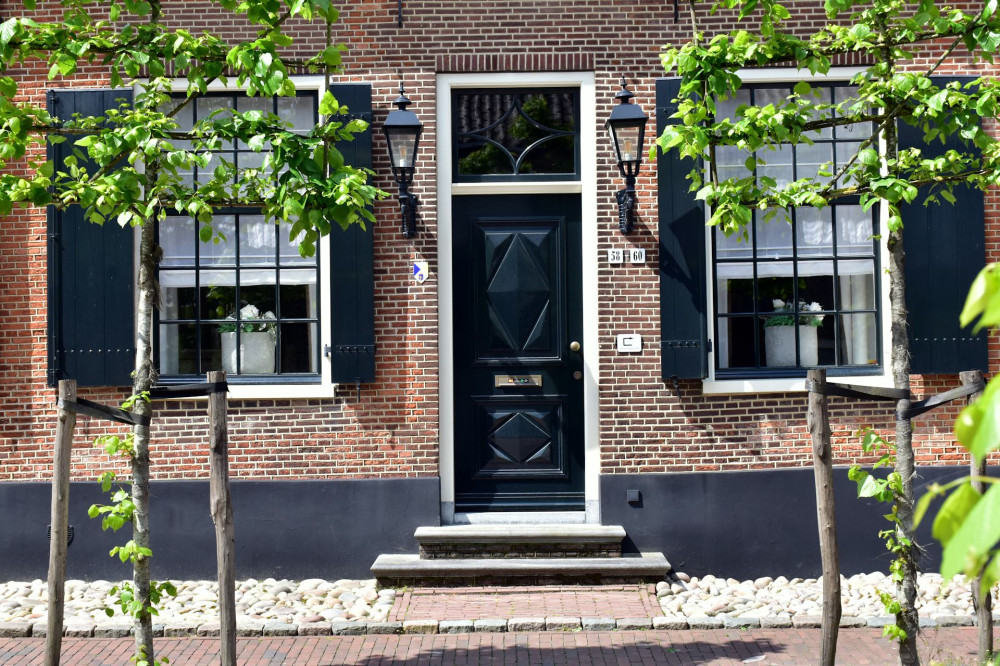
Colors and Finishes on Doors – How They Influence a Room’s Look


Colors and Finishes on Doors – How They Influence a Room’s Look
A door is much more than a functional passage between rooms. It’s an integral part of a home’s design and can dramatically change the atmosphere with the right color and finish. While walls and floors often set the stage, the door acts as a visual connector that can either highlight or balance a room’s style. In this article, we’ll explore how door colors and finishes influence the look and feel of a space—and how you can use them intentionally in your home design.
The Power of Color
Color affects us both emotionally and visually. The shade you choose for a door can make a room feel larger, cozier, or more serene—depending on the mood you want to create.
- Light colors such as white, cream, and soft gray make a room feel more open and airy. They reflect light beautifully and are ideal for smaller spaces or areas with limited natural light.
- Dark colors like charcoal, navy, or forest green add depth and sophistication. They can create a calm, elegant atmosphere but should be balanced with lighter elements to avoid a heavy feel.
- Warm tones such as beige, terracotta, or muted blush bring comfort and softness—perfect for living rooms and bedrooms.
- Cool tones like blue and gray evoke calm and simplicity, fitting well in modern or minimalist interiors.
A good design tip is to paint the door the same color as the wall for a seamless, understated look—or choose a contrasting color if you want the door to stand out as a design feature.
Finishes: From Matte to High Gloss
The finish of a door plays a major role in how its color is perceived. It affects both how light interacts with the surface and how the door feels to the touch.
- Matte finishes create a soft, subtle appearance. They hide small scratches and fingerprints well and are great for spaces where you want a calm, understated look.
- Satin or semi-gloss finishes strike a balance between elegance and durability. They’re easy to clean and work well in high-traffic areas like hallways or kitchens.
- High-gloss finishes reflect light and add a sleek, modern touch. They’re ideal for contemporary spaces with strong architectural lines and good lighting.
- Wood finishes—whether stained, oiled, or lacquered—bring warmth and natural texture. Depending on the wood species and treatment, they can range from rustic to refined.
Consider how the finish interacts with other surfaces in the room. A matte door against glossy walls can create an interesting contrast, while matching finishes produce a more harmonious effect.
Materials and Texture
Beyond color and sheen, the door’s material also shapes its character. A smooth, painted door feels modern and minimal, while a paneled or molded door adds classic detail and depth. The natural grain of wood—its knots, lines, and tonal variations—can be emphasized or softened depending on the finish.
For a natural look, consider oak, maple, or pine with a clear varnish or oil. If you prefer a uniform, contemporary style, a painted MDF or veneer door is a great choice.
Coordinating with the Rest of the Room
A door rarely stands alone. It interacts with trim, walls, flooring, and hardware, so it’s important to think about the overall composition when choosing color and finish.
- In traditional homes, highlight the door’s details with a subtle contrast color or a semi-gloss paint that accentuates the molding.
- In modern interiors, let the door blend with the wall for a clean, architectural look.
- In colorful or eclectic spaces, use the door as a statement piece—perhaps in a deep green, navy, or even a bold red to break up neutral tones.
Don’t forget the hardware. A handle in brass, matte black, or brushed nickel can completely change the door’s personality and tie it into the rest of your décor.
Practical Considerations
Beyond aesthetics, practical factors matter too. In high-traffic areas like entryways, kitchens, and kids’ rooms, choose a durable finish that can withstand frequent cleaning and daily wear. For bathrooms or other humid spaces, opt for materials and coatings that resist moisture and temperature changes.
If you’re painting doors yourself, use paint formulated for woodwork or doors, and remember that the level of gloss affects both appearance and maintenance.
Creating Cohesion and Character
Color and finish choices on doors are a simple yet powerful way to give your home personality. You can create cohesion by using a consistent color palette throughout—or give each room its own identity with subtle variations. The key is to ensure that your doors support the atmosphere you want and fit your lifestyle.
A well-chosen door can be the element that ties your rooms together—or the one that gives each space its own distinctive charm.