Bio-Based Materials – The Path to Sustainable Insulation of the Future

Bio-Based Materials – The Path to Sustainable Insulation of the Future
As the United States faces growing pressure to reduce carbon emissions and build more energy-efficient homes, interest in bio-based materials is on the rise. These materials offer a greener alternative to conventional insulation products like fiberglass and foam, while also improving indoor air quality and reducing environmental impact. But what exactly are bio-based materials, and how might they shape the future of sustainable construction in America?
What Are Bio-Based Materials?
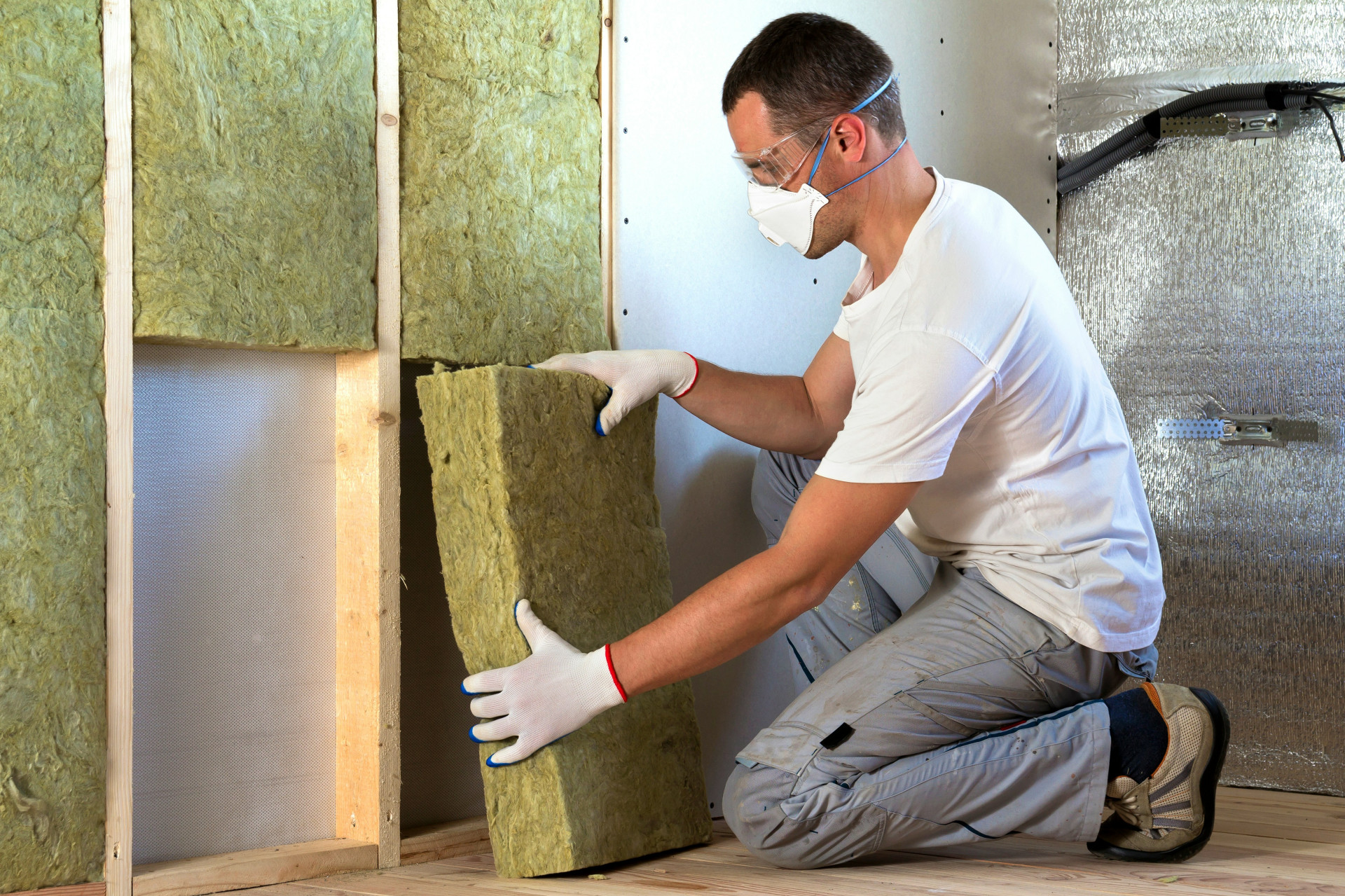
Bio-based materials are made from renewable, natural resources—typically plants, wood, or agricultural by-products. In insulation, this can include:
- Hemp – a fast-growing crop that requires minimal pesticides and absorbs large amounts of CO₂ during growth.
- Wood fiber – produced from sawmill residues and forestry by-products, offering excellent moisture regulation.
- Flax and sheep’s wool – natural fibers that provide effective thermal insulation and are biodegradable.
- Cellulose insulation – made from recycled paper, treated for fire and mold resistance.
What these materials have in common is their ability to harness nature’s own resources while fitting into a more circular, low-carbon building economy.
The Benefits of Bio-Based Insulation
The most significant advantage of bio-based insulation is its climate friendliness. These materials generally require less energy to produce and can store carbon throughout their lifespan, effectively turning buildings into small carbon sinks.
They also offer superior moisture and thermal performance. Materials like hemp and wood fiber can absorb and release moisture without losing insulating power, helping to maintain a stable and comfortable indoor climate. Because they are free from harmful chemicals, they also contribute to healthier living environments—an increasingly important factor for homeowners and builders alike.
Another key benefit is local production potential. Many bio-based materials can be sourced and manufactured regionally, reducing transportation emissions and supporting local economies, particularly in rural areas with strong agricultural or forestry sectors.
Challenges and Barriers
Despite their promise, bio-based materials still face several challenges before they can become mainstream in the U.S. construction market. One major hurdle is limited awareness and experience among builders, architects, and contractors, who are more familiar with traditional insulation products.
Cost and availability can also be obstacles. Because production is not yet at the same scale as conventional materials, bio-based insulation can be more expensive. Additionally, building codes and certification processes often require extensive testing for fire resistance, durability, and moisture control—standards that bio-based materials must meet to gain wider acceptance.
However, progress is being made. Research institutions, startups, and established manufacturers are investing in innovation, certification, and scaling up production. As demand for sustainable building solutions grows, these materials are becoming increasingly competitive.
Examples from Practice
Across the U.S., pioneering projects are already showcasing the potential of bio-based insulation. In states like California, Oregon, and New York, architects are experimenting with hempcrete walls and cellulose insulation in both new construction and retrofits. Nonprofits and green building organizations are promoting pilot projects that demonstrate how natural materials can meet modern performance standards.
In the Midwest, where agriculture plays a central role, researchers are exploring how crop residues such as corn stalks and wheat straw can be transformed into high-performance insulation panels. Meanwhile, sustainable housing initiatives are using wood fiber insulation in energy-efficient homes certified under programs like LEED and Passive House.
The Future of Insulation Is Green—and Natural
Bio-based materials are more than a passing trend—they represent a crucial step toward a more sustainable and resilient building industry. By combining technical performance with environmental responsibility, they can help make both new and existing homes more climate-friendly.
For American homeowners, this means the insulation of the future won’t just keep the heat in—it will also help protect the planet. And for the construction industry, it marks the beginning of a new era where nature’s own materials once again take center stage in the places we call home.