Avoid Stagnant Air – Create a Healthier, More Comfortable Indoor Environment

Avoid Stagnant Air – Create a Healthier, More Comfortable Indoor Environment
A comfortable home isn’t just about temperature or décor – it’s also about the quality of the air you breathe. Stagnant indoor air can lead to excess humidity, unpleasant odors, and a buildup of dust and pollutants that affect both comfort and health. Fortunately, with a few simple adjustments, you can keep your home’s air fresh and healthy all year long. Here’s how to prevent stagnant air and create a more pleasant indoor environment.
Why Stagnant Air Is a Problem
When air doesn’t circulate properly, moisture, carbon dioxide, and airborne particles from cooking, cleaning, and even breathing can accumulate. This can cause headaches, fatigue, and irritation of the eyes and airways. Over time, poor ventilation can also encourage mold growth, especially in damp areas like bathrooms, basements, and bedrooms.
Stagnant air doesn’t just affect your health – it can also damage your home. Excess humidity can warp wood, peel paint, and create musty odors. Good ventilation is therefore not only a matter of comfort but also an investment in your home’s longevity.
Encourage Natural Air Circulation
The easiest way to avoid stagnant air is to let fresh air move freely through your home. You don’t necessarily need expensive equipment – small daily habits can make a big difference.
- Open windows regularly. Create cross-ventilation by opening windows on opposite sides of your home for 5–10 minutes. This quickly replaces stale air without losing too much heat or cooling.
- Keep interior doors open. Allowing air to flow between rooms helps balance temperature and humidity levels.
- Don’t block vents or registers. Make sure furniture, curtains, or rugs aren’t covering air vents or radiators so air can circulate freely.
Even minor changes in your daily routine can noticeably improve indoor air quality.
Consider Mechanical Ventilation
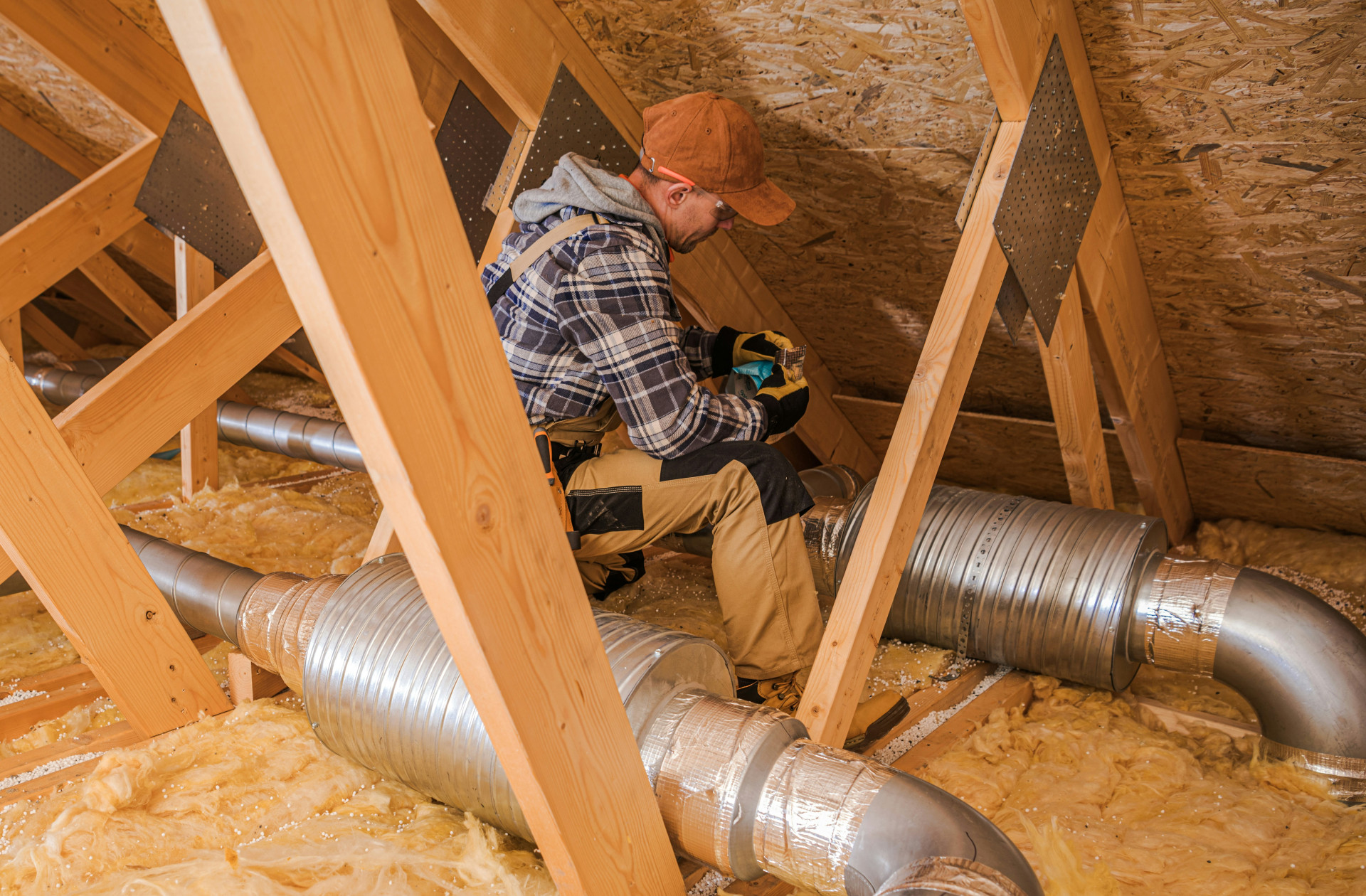
Modern American homes are often built to be energy-efficient and tightly sealed, which can limit natural airflow. In such cases, a mechanical ventilation system or an energy recovery ventilator (ERV) can be a smart solution. These systems continuously exchange indoor and outdoor air while conserving heating or cooling energy.
Mechanical ventilation also filters out dust, pollen, and other outdoor pollutants – a major benefit for allergy sufferers. Just remember that filters need to be cleaned or replaced regularly to maintain performance.
If installing a full system isn’t practical, smaller exhaust fans in bathrooms, kitchens, or laundry rooms can help remove moisture and odors where they’re most likely to build up.
Monitor Humidity and Temperature
A healthy indoor environment depends on maintaining the right balance between temperature and humidity. Too much moisture encourages mold, while air that’s too dry can irritate your skin and respiratory system.
- Ideal humidity: 40–60%. Use a hygrometer to monitor levels.
- Ideal temperature: Around 68–72°F in living areas, and slightly cooler in bedrooms.
If humidity is consistently high, a dehumidifier can help – but it’s important to address the root cause, such as poor ventilation or water leaks.
Add Plants for a Natural Boost
Houseplants can contribute to a fresher atmosphere by absorbing carbon dioxide and releasing oxygen. Some varieties, such as peace lilies, ferns, and snake plants, are known for their ability to help filter certain indoor pollutants.
While plants can’t replace proper ventilation, they’re a great complement – adding both beauty and a sense of freshness to your home.
Make It a Habit
Maintaining good indoor air quality requires consistent attention. Get into the habit of airing out your home, especially after cooking, showering, or cleaning. Avoid drying clothes indoors unless there’s adequate ventilation, and watch for signs of excess moisture, such as condensation on windows or dark spots on walls.
By combining smart habits with the right ventilation solutions, you can create a home where the air feels clean, fresh, and comfortable – a place where both you and your home can thrive.