Are Your Walls Properly Insulated? How to Assess Your Home’s Insulation Quality

Are Your Walls Properly Insulated? How to Assess Your Home’s Insulation Quality
A well-insulated home isn’t just about comfort—it can also make a big difference in your energy bills and your home’s overall efficiency. But how can you tell if your walls are properly insulated? Many American homes, especially those built before the 1980s, may not meet today’s insulation standards. Here’s a guide to help you assess your wall insulation and what to do if it’s lacking.
Why Wall Insulation Matters
Your walls make up a large portion of your home’s thermal envelope—the barrier that separates indoor and outdoor temperatures. Poorly insulated walls can lead to:
- Heat loss – up to 25–30% of your home’s heat can escape through the walls.
- Cold drafts – air leaks and gaps can make rooms feel chilly and unevenly heated.
- Moisture and mold – when warm indoor air meets cold wall surfaces, condensation can form.
Good insulation keeps your home warmer in winter and cooler in summer, creating a more stable and comfortable indoor climate year-round.
Signs Your Walls May Be Poorly Insulated
You don’t need to be a contractor to spot insulation problems. Look out for these common signs:
- Cold or damp walls – if walls feel noticeably colder than the room air, insulation may be insufficient.
- Drafts – especially near outlets, baseboards, or where walls meet ceilings.
- Uneven temperatures – some rooms are harder to heat or cool than others.
- High energy bills – a general indicator that your home is losing heat somewhere.
- Condensation or dark spots – possible signs of cold spots and moisture buildup.
A simple infrared thermometer or thermal camera can help you detect temperature differences on wall surfaces.
How to Check Your Wall Insulation
There are several ways to determine how well your walls are insulated:
1. Check the Age and Construction of Your Home
Homes built before the late 1970s often have little or no wall insulation. Building codes began requiring better insulation in the 1980s, so newer homes are usually more efficient. You can find details about your home’s construction in property records or original building plans.
2. Inspect the Wall Cavity
Most homes with wood framing have wall cavities between studs that should be filled with insulation. If you’re unsure, a professional can remove an outlet cover or drill a small inspection hole to check the insulation type and thickness.
3. Use a Thermal Imaging Camera
A thermal inspection shows where heat is escaping, using color images to highlight cold spots and air leaks. This test works best on a cold day when there’s a big temperature difference between indoors and outdoors.
4. Schedule a Home Energy Audit
A home energy audit, often offered by utility companies or certified energy assessors, provides a full picture of your home’s energy performance. The report will include recommendations for improving insulation and estimated savings.
Options for Improving Wall Insulation
If you discover that your walls are under-insulated, there are several ways to upgrade, depending on your home’s structure.
- Blown-in insulation – a common and cost-effective method for existing walls. Insulation material is blown into wall cavities through small holes.
- Interior insulation – used when exterior work isn’t possible. It requires careful installation to prevent moisture issues.
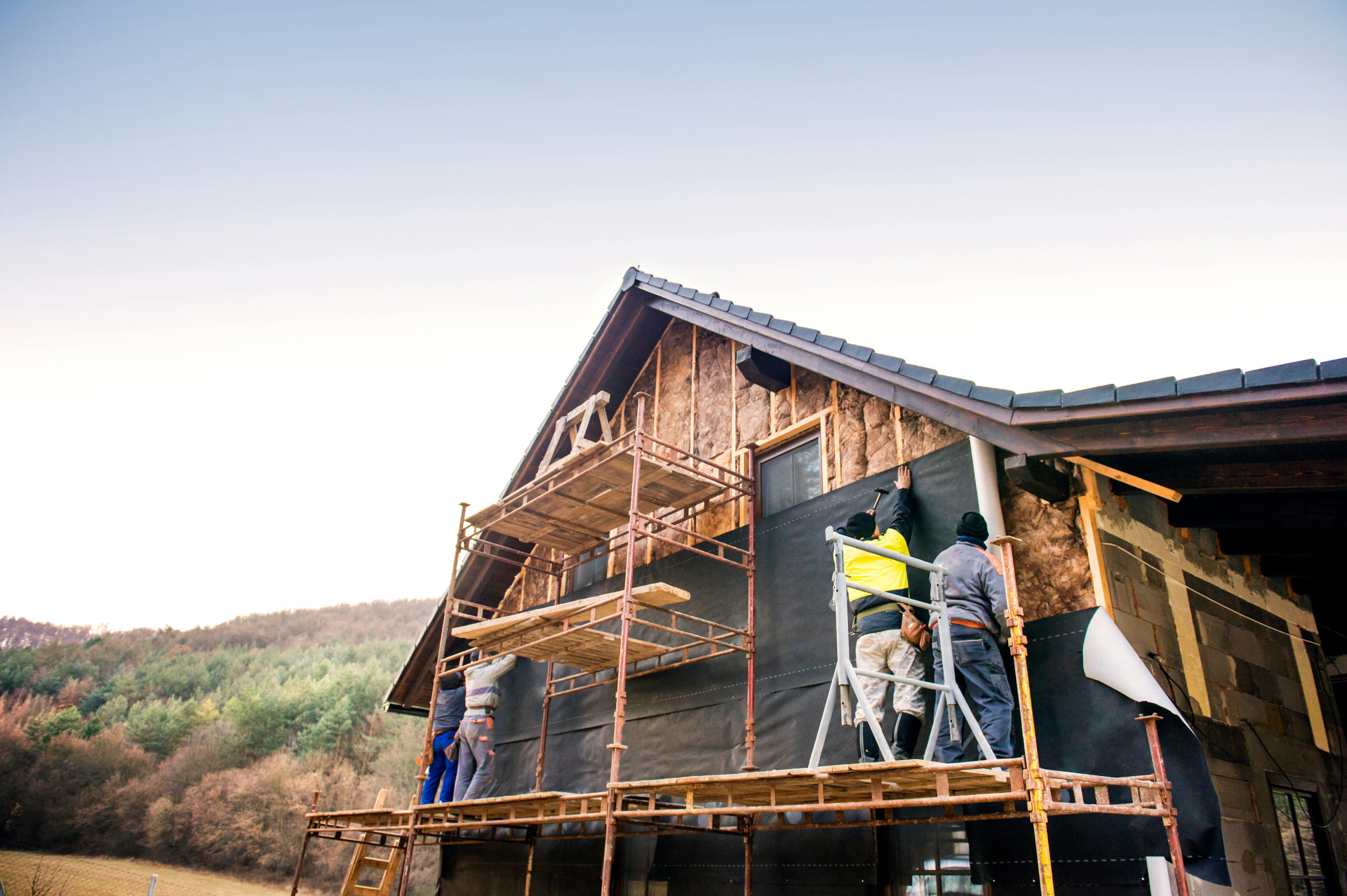
- Exterior insulation – a more expensive but highly effective option, where insulation is added to the outside of the walls and covered with siding or stucco.
A licensed insulation contractor can help you choose the best solution for your home’s design and climate.
What It Costs—and What You Can Save
Costs vary depending on materials and methods, but blown-in wall insulation typically ranges from $1.50 to $3.50 per square foot. The investment often pays for itself within a few years through lower heating and cooling bills.
According to the U.S. Department of Energy, homeowners can save 10–20% on total energy costs by sealing air leaks and adding proper insulation. In colder regions, the savings can be even greater.
Do It Right—Avoid Moisture Problems
Proper installation is key to preventing moisture and mold issues. Make sure:
- Walls are free of cracks or leaks before insulating.
- Your home has adequate ventilation.
- The insulation material is compatible with your wall type and local climate.
Hiring a qualified professional ensures the job meets building codes and delivers the best results.
A Smart Investment in Comfort and Efficiency
Ensuring your walls are properly insulated isn’t just about saving money—it’s about creating a healthier, more comfortable living space and reducing your environmental impact. With a careful assessment and the right improvements, you can boost your home’s value, cut energy costs, and enjoy a cozier home all year long.