Adapt Your Home to the Needs of a Growing Family

Adapt Your Home to the Needs of a Growing Family
As your family grows, your home’s needs evolve. What once felt spacious and perfectly organized can quickly become crowded when children arrive—and even more so as they get older. Space, storage, and flexibility become key priorities. The goal is to create a home that adapts and grows along with your family. Here’s how you can make your home work for every stage of family life.
Plan for Flexibility from the Start
A flexible home is one that stands the test of time. When decorating or remodeling, choose solutions that can change as your family’s needs do. Think about furniture and layouts that can evolve rather than remain fixed.
- Multifunctional furniture such as sleeper sofas, foldable tables, and rolling storage units make it easy to reconfigure a room’s purpose.
- Room dividers or sliding panels can create temporary zones when kids need more privacy.
- Neutral colors and timeless materials allow you to refresh the look without a full redesign.
By building flexibility into your home from the beginning, you’ll avoid the feeling that your space has outgrown your family.
Balance Togetherness and Privacy
When children are small, family life often centers around shared spaces. But as they grow, everyone needs both connection and personal space. A thoughtful layout can support both.
Consider how to create zones within your home: a play corner, a homework area, and a cozy spot for adults to unwind. You don’t necessarily need more square footage—just smarter use of what you have. A large dining table, for example, can double as a workspace, craft station, and gathering place.
Soundproofing, rugs, and soft furnishings can also help reduce noise, making it easier for everyone to share space comfortably.
Storage: The Family Lifesaver
With kids come things—lots of them. Toys, clothes, sports gear, and school supplies can quickly take over if storage isn’t well planned.
Think in terms of hidden storage wherever possible: drawers under beds, cabinets beneath stairs, or benches with lift-up lids. Use vertical space with shelves and hooks, and make sure kids can reach their own belongings. That way, tidying up becomes a shared responsibility.
Revisit your storage setup regularly. What worked for toddlers may not suit teenagers, and adjusting as you go keeps clutter under control.
Choose Durable, Family-Friendly Materials
A family home should be beautiful but also built to handle daily life. Choose materials that are durable, easy to clean, and forgiving of wear and tear.
- Washable fabrics like removable sofa covers and machine-washable rugs simplify cleanup.
- Sturdy surfaces such as laminate, quartz, or solid wood can withstand heavy use.
- Matte finishes hide fingerprints better than glossy ones.
Investing in quality where it matters—especially in high-use furniture—pays off in the long run.
Make It Kid-Friendly Without Losing Style
A child-friendly home doesn’t have to look like a playroom. It’s about creating a safe, functional environment that still reflects your personal style.
Add color and personality through easily changeable details—pillows, wall art, or rugs—rather than permanent features like painted walls. This makes it simple to update the look as your children grow.
Safety should always come first: cover outlets, anchor tall furniture to the wall, and choose rounded edges for low tables. These small steps bring peace of mind for parents and freedom for kids to explore.
When Space Starts to Feel Tight
Even with smart planning, there may come a time when your home feels too small. Before deciding to move, consider whether a renovation or addition could solve the problem.
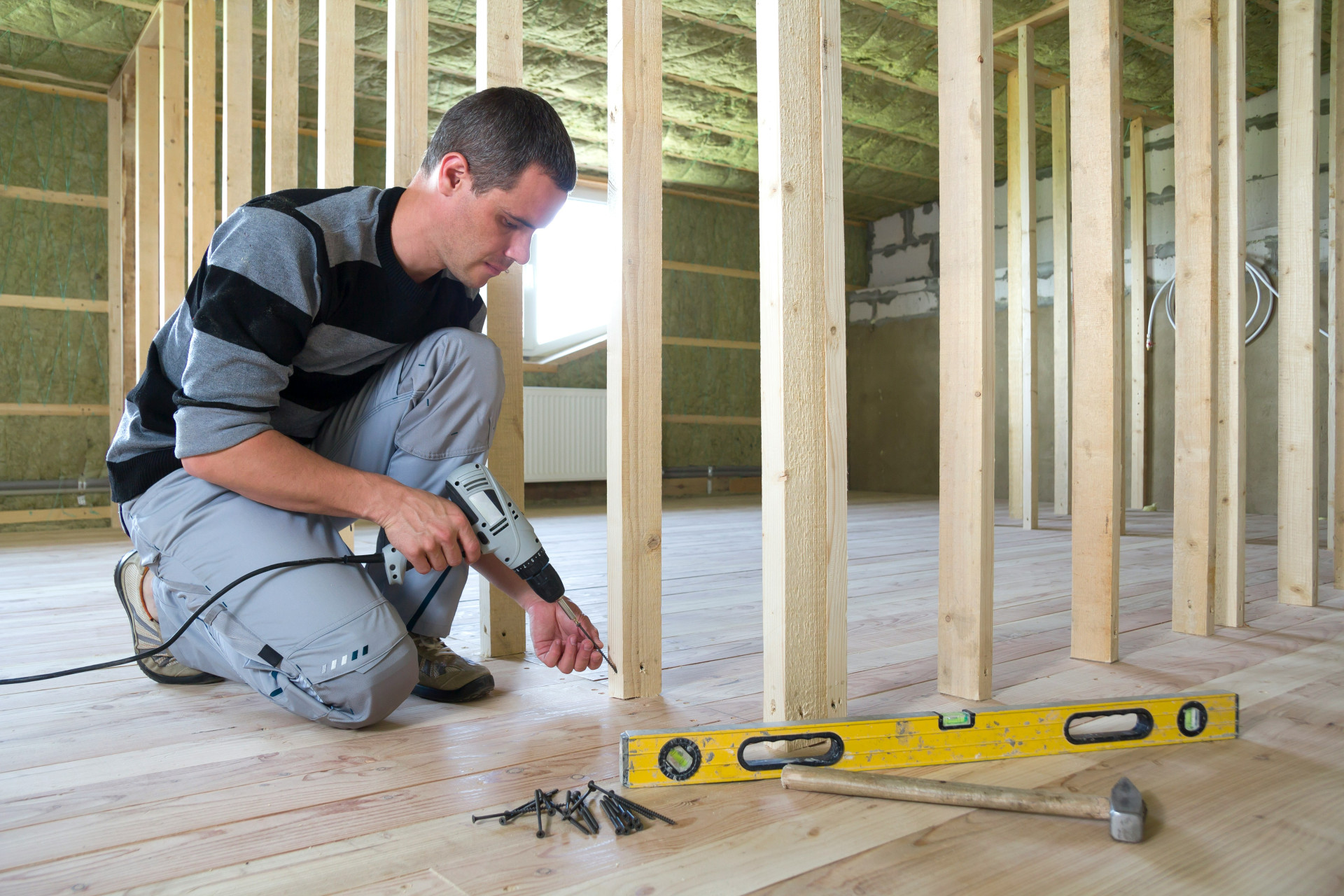
Finishing a basement, converting an attic, or adding a sunroom can provide valuable extra space—and increase your home’s value. Consult a contractor or architect to explore options that fit your family’s needs and budget.
A Home That Grows with You
Adapting your home to a growing family isn’t just about practical solutions—it’s about creating a space that supports your life together. A home with room for play, rest, connection, and change.
By thinking long-term and designing with flexibility in mind, your home can evolve alongside your family—from the first steps to the teenage years and beyond. It’s one of the best investments you can make in both comfort and happiness.